


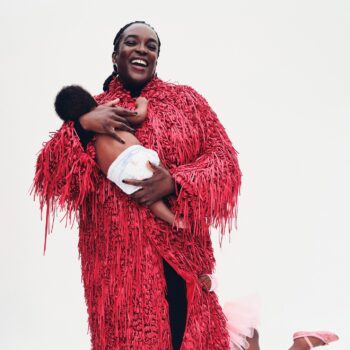

Tanzania is rapidly establishing itself as an economic powerhouse for fashion in East Africa, driven largely by the momentum of Swahili Fashion Week as it prepares for its landmark 19th edition this December.
The visionary founder, designer and industry veteran, Mustafa Hassanali, highlights that Tanzania’s fashion ecosystem is at a pivotal structural turning point. Today, the industry has transcended the runway to become a vital driver for youth employment, strategic brand identity, intellectual property rights, cutting-edge digital marketing, and full value-chain expansion.
Mustafa Hassanali’s platform continues to serve as a critical launchpad, elevating African fashion brands and scaling them from local markets to global stages. A prime example of this commercial growth took place this past July, when Swahili Fashion Week with the government’s support hosted an exclusive showcase in the global fashion capital of Paris at the Eiffel Tower celebrating “International Swahili Day”. This historic milestone stands as powerful proof of the lucrative growth and immense potential of Tanzania’s creative economy.
EK-ANTIK
25 year old Anjali Borkhataria founder of the brand EK-Antik had always had an eye for fashion from her early childhood. She has fond memories of being a high school student and spending time in her father’s mechanical workshop where he sold car batteries and accessories, Anjali noted that the industrial workers were so passionate about their work and had very basic uniforms this prompted her to recreate their uniforms in a more stylish practical manner, and this affirmed her love and passion for her creative skill and prompted her to pursue a career in fashion by 2016 joining the Cape Town College of Fashion Design for a 3 year degree course where she excelled and won may fashion and graphic design competitions.
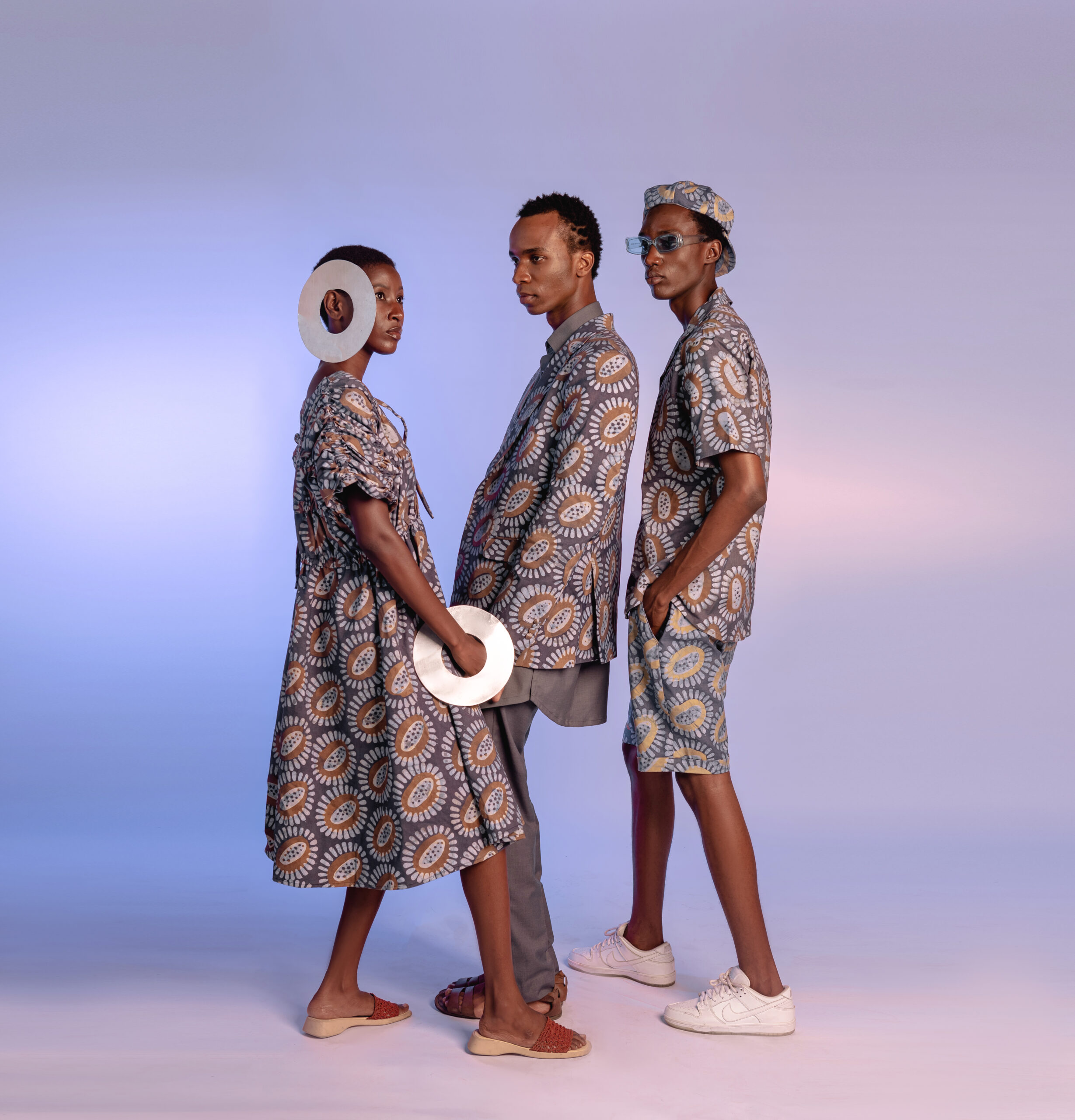
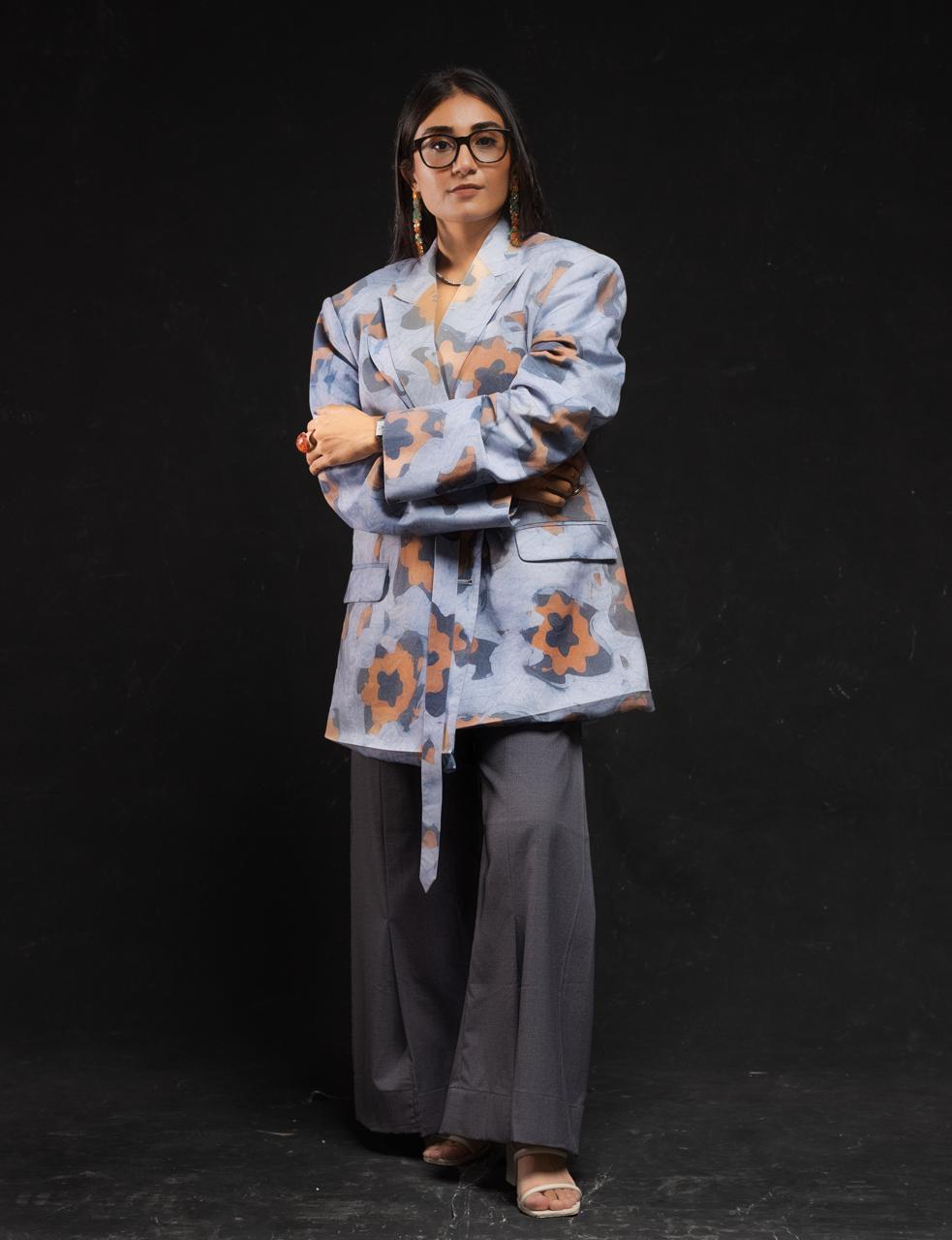
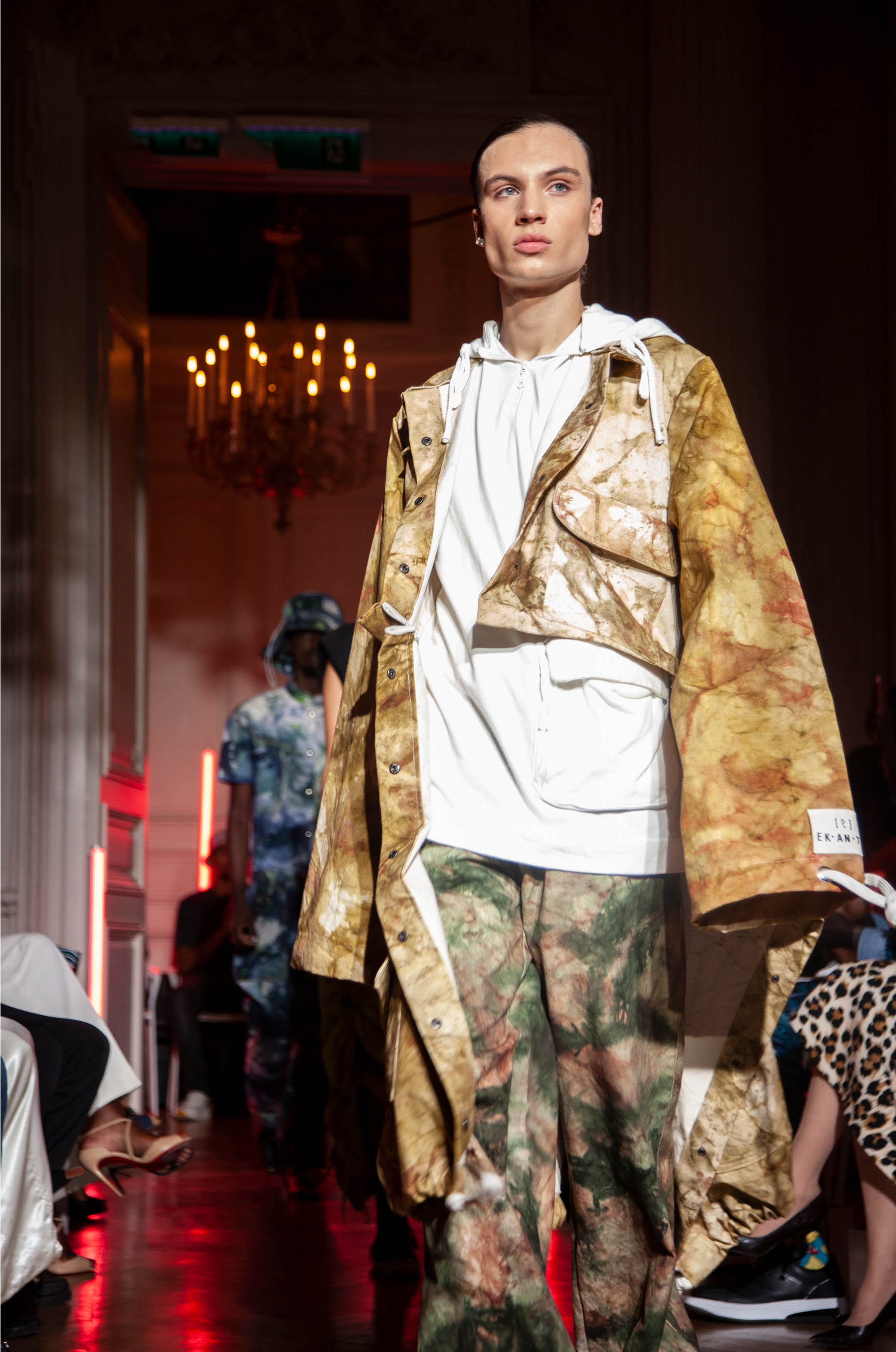
Upon completion of her course Anjali returned back to Tanzania and launched her brand “Ek-Antik” in 2018 which means “The One” drawn from the Sanskrit Language an ancient, classical Indo-Aryan language from South Asia. Immediately Anjali launched her brand renown stylist “Noel the Stylist “reached out to her because he loved pieces from her graduation collection that she had posted on social media and was interested in using them for the music video “Wah” a creative collaboration between renown musicians Diamond Platnumz and Koffi Olomide.
Styling these musicians opened the doors for Anjali to work with many other renown African musicians including Mbosso, Tanasha Donna, Romy Jons and Aslay. With the income she generated from the “Wah’ video Anjali invested in buying fabric from China, developing the brands marketing strategy and E-Commerce platforms. Ek-Antik participated in Swahili Fashion Week twice in a row 2020 and 2021 and was awarded the “Innovative Designer Of The Year.”
Anjali was featured in the “ Entrepreneur feature ‘ of Forbes Africa in 2021 and in 2025 was named on the Forbes Africa “ 30 Under 30” List in the Fashion and Beauty Section. This year Anjali has been featured on the “Africa 100 – League of Exceptional Influential Leader list”. All these media features have been pivotal for her as a creative with a 5 yea old brand as it is an affirmation of her talent and hard work and has opened doors for her to be a creative designing alongside other Pan African Brands including Asanti who have a store in Sandton Mall South Africa. She has also participated in Paris, London and Morocco Fashion Weeks and dressed diplomats and government officials.
The brand draws a lot of inspiration from nature and everyday life and experiences and uses Batiq techniques to share stories through their fabric prints. In 2024 Ek-Akantik collaborated with Reebok South Africa for a collaboration dubbed “Love in its Purest Form” The 12 piece collection was inspired by how love unites people from different backgrounds and cultures and the collaboration is still on going.
In June 2025 Anjali worked on a collection for “Global Encounters” the athletic event in Dubai which brings together Ismaili’s from around the world. The brand designed athletic kits that had Tanzanian inspired cultural bright prints and embroidery while still meeting the technical requirement of athletic wear and their kits were one of best look in the competition.
As a young designer one of the largest challenges Anjali faces is working with tailors who have good technical skills. She has had to patiently train them over a period of time on the quality standards she expects from them. Sourcing and finding variety of fabrics in Tanzanian is also a challenge.
Anjali is busy currently working on custom made outfits for members of the Diplomatic Community for various events. The brand sells online through their website and stocks in outlets in Tanzania, Kenya and aims to stock globally in the future.
BELLA RAGAZZA
Lawyer-turned-entrepreneur Anna Lugenge founded Bella Ragazza in 2018, transforming her passion for African craftsmanship into a globally conscious accessories brand that has been awarded “Best Accessory Designer of the Year” at Swahili Fashion Week in 2022 and 2025.
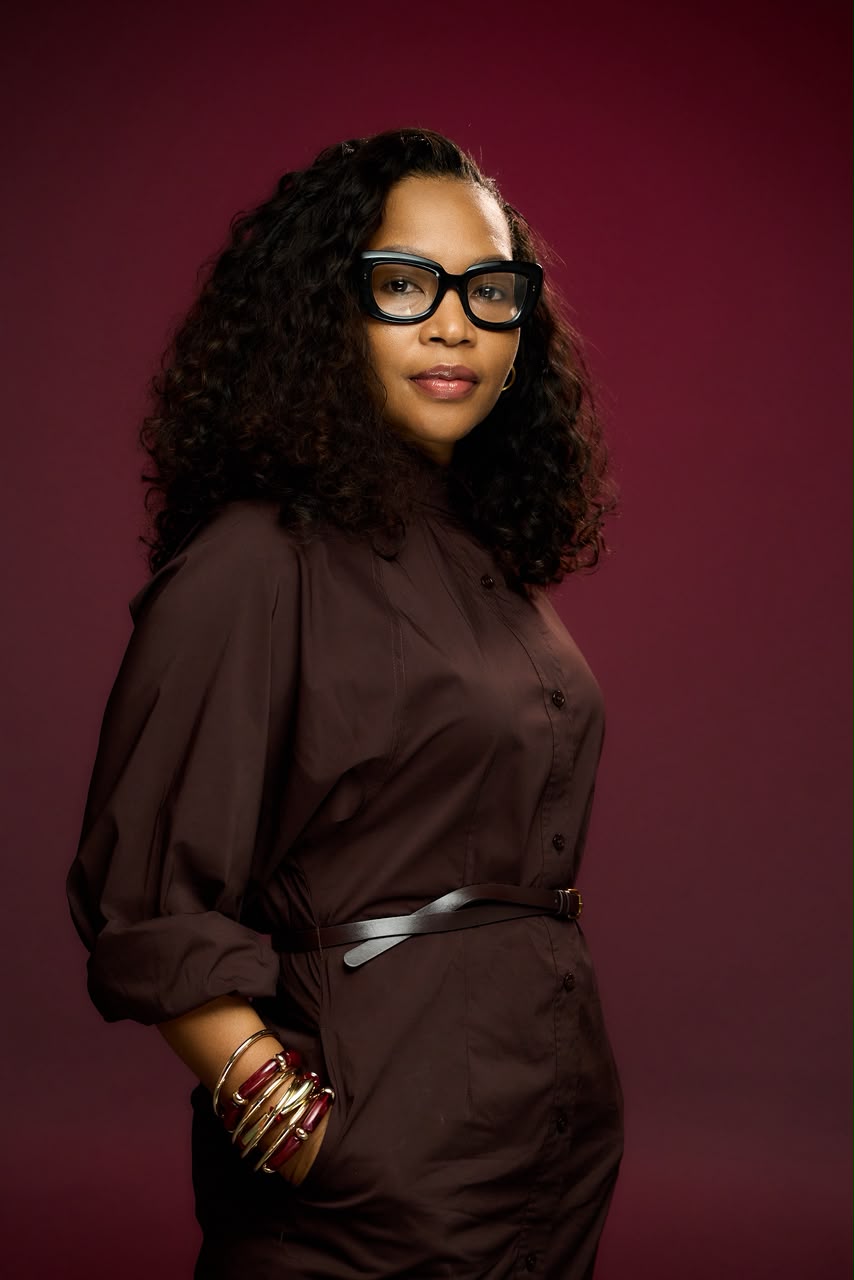
Before venturing into fashion, Anna spent over a decade working with international aid organizations across Africa, collaborating with local communities and witnessing firsthand the power of sustainable livelihoods. This experience deeply influenced her vision for Bella Ragazza a brand rooted in empowerment and cultural preservation.
Drawing inspiration from her hometown in the Iringa region of Southern Tanzania, renowned for its traditional basket weaving, Anna set out to celebrate this heritage through contemporary design. The brand name, “Bella Ragazza” Italian for Beautiful Young Lady was inspired by a transformative trip to Italy in 2016, where Anna fell in love with the elegance, artistry, and culture of the Italian people.
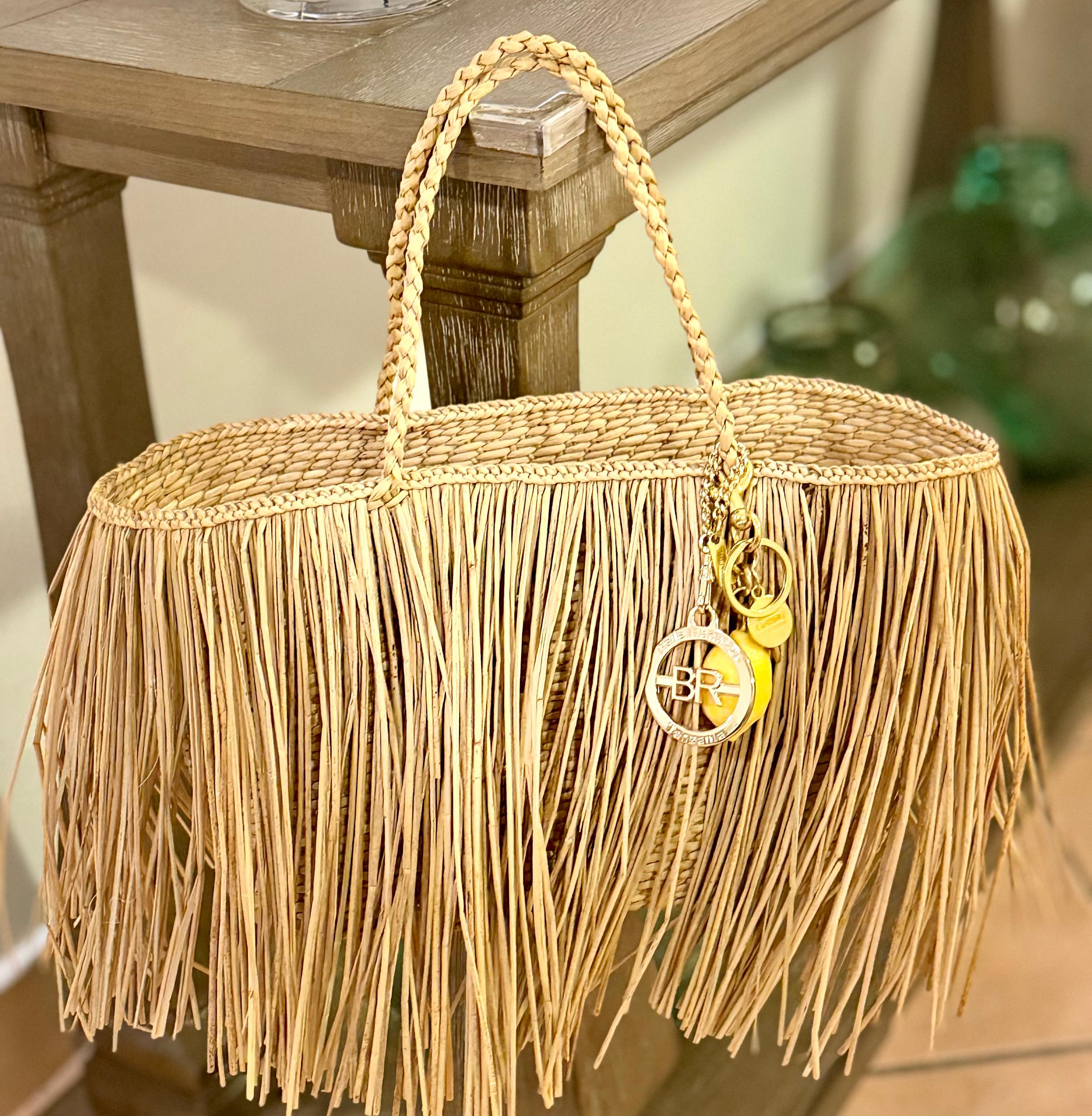
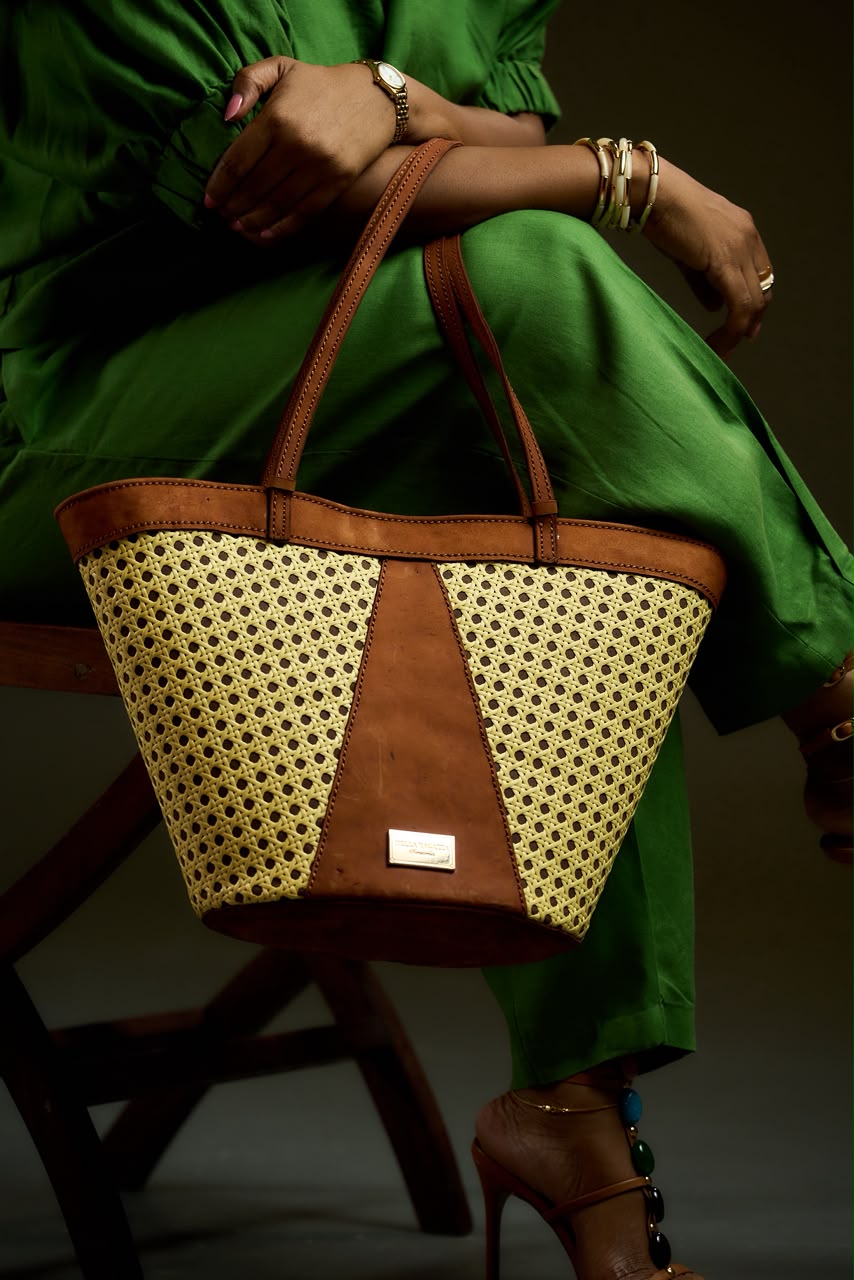
Throughout 2018, Anna devoted her time to refining her concept travelling between Dar es Salaam and Iringa, sourcing materials, and experimenting with value addition techniques. Anna eventually found a formula that works where she designs the bags and thereafter outsources production to over 150 artisans in Iringa who weave the baskets by hand. Thereafter final finishing touches leatherwork, beading, and metallic detailing are completed at her Dar es Salaam workshop, merging traditional artistry with modern sophistication.
While most of the materials are locally sourced, the metallic accessories are imported from China, ensuring the brand maintains its balance of authenticity, quality, and global appeal.
To uphold the brand’s signature quality and craftsmanship, Bella Ragazza maintains a rigorous design and production process. Each basket begins as a series of samples, refined repeatedly until the team achieves the desired aesthetic and functionality. Only then does full production commence. Every finished piece undergoes strict quality assurance checks to ensure there are no defects before it is dispatched for shipping.
The founder explains,
“When making the baskets, our main goal is to capture a part of the culture and reimagine it through contemporary design that resonates with a global audience. We never stray from the authenticity of traditional weaving techniques, but rather innovate through thoughtful details such as wooden handles, leather finishes, and beaded embellishments.”
Anna also notes a growing interest among young people in learning the craft both in formal institutions and vocational settings. “It is vital that we preserve this heritage skill and empower the youth, as basket weaving offers a sustainable and lucrative source of income,” she emphasizes.
Despite its growth, Bella Ragazza faces notable challenges. The first is plagiarism of designs, prompting the creative team to constantly develop fresh, innovative ideas. Secondly, the raw grass used in weaving is seasonal, requiring careful planning and storage to maintain production throughout the year. Lastly, high international shipping costs remain a significant barrier, limiting global online orders and impacting overall sales.
Traditionally, basket weaving has been a craft passed down through generations of women a skill deeply rooted in cultural heritage and community. Many of the women working with Bella Ragazza have shared stories of how the income earned from their craft has transformed their households, providing financial stability and independence.
“There are also men who have joined the weaving process after recognizing its economic potential,” Anna notes.
Based on customer feedback for a more luxurious bag collection the brand recently started working with a synthetic material call Rattan that also offers more product choices. The brand recently opened a second store in Oyster Bay Dar Es Salam.
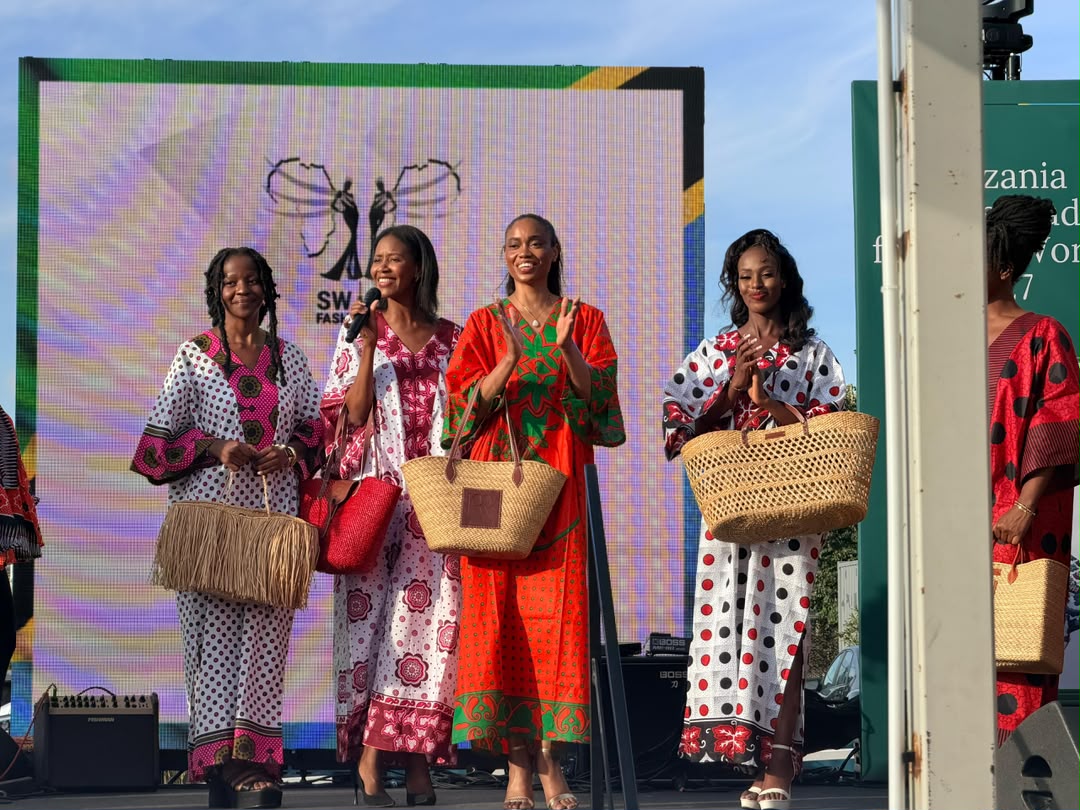
Recent highlight for the brand was participating in the “Swahili Fashion Week” Showcase at the Eiffel Tower in Paris this past July in celebration of the Swahili International Day. Anna shares that “It felt great to showcase the work of over 150 artisans who I work with and have put in the hard work and dedication to Mastering the craft”
ETHEREAL MERAKI
Susan Gerd Vogel is the founder of Ethereal – heaven nature Greek Meraki. Meraki is a Greek word that means “to make something with love and leave a part of the artist on the product” Susan loved arts and crafts from a young age and even in school she focused on a subject called “Stadii Za Kazi’ which focuses on impacting on skills you implement by using your hands and this made her passionate about handmade items. When she joined University of Dar Es Salam she pursued a degree in banking and economics and but still created accessory products for her family and friends. After Susan graduated, she decided to focus on growing her brand and went straight into making accessories.
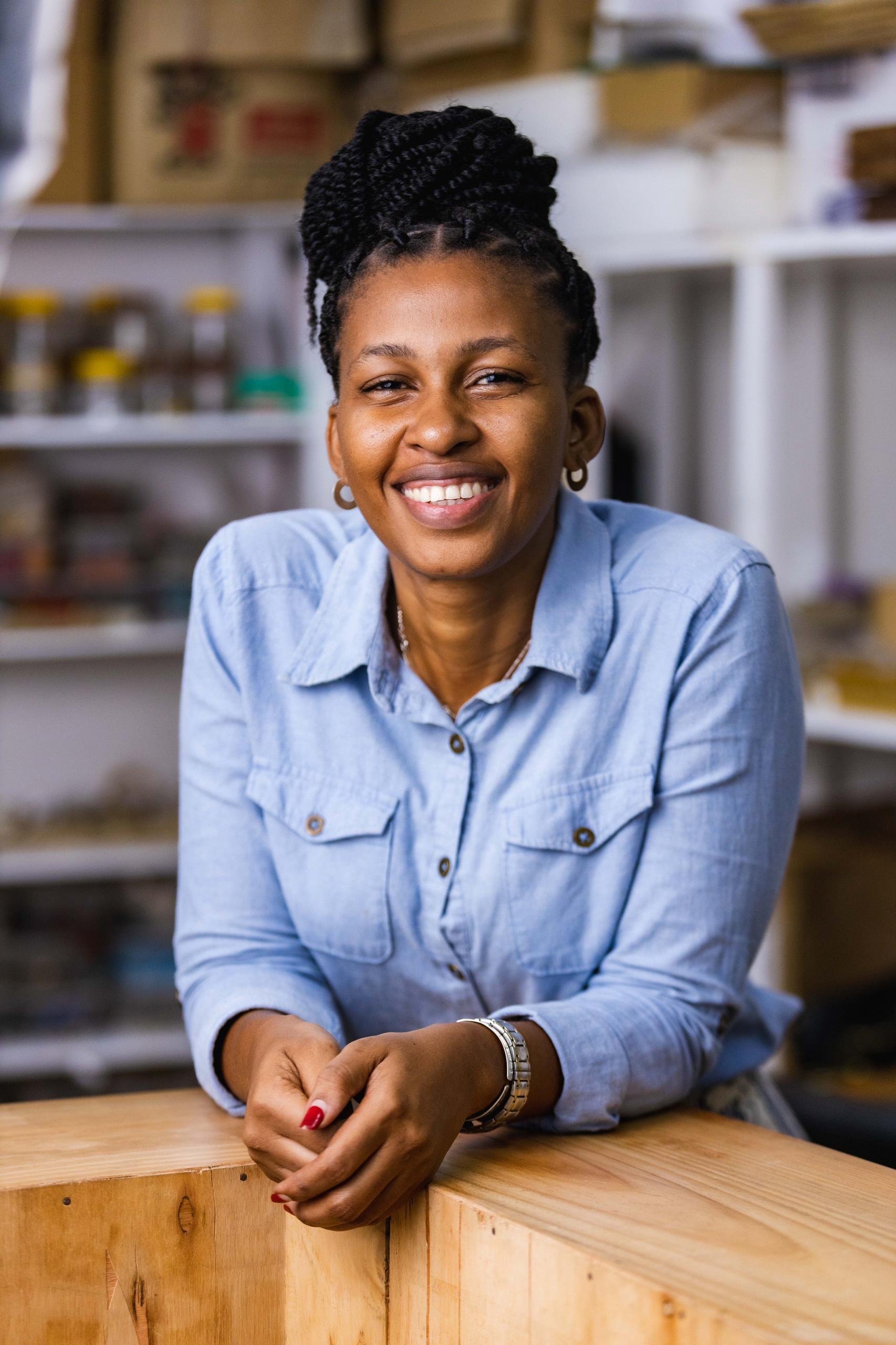
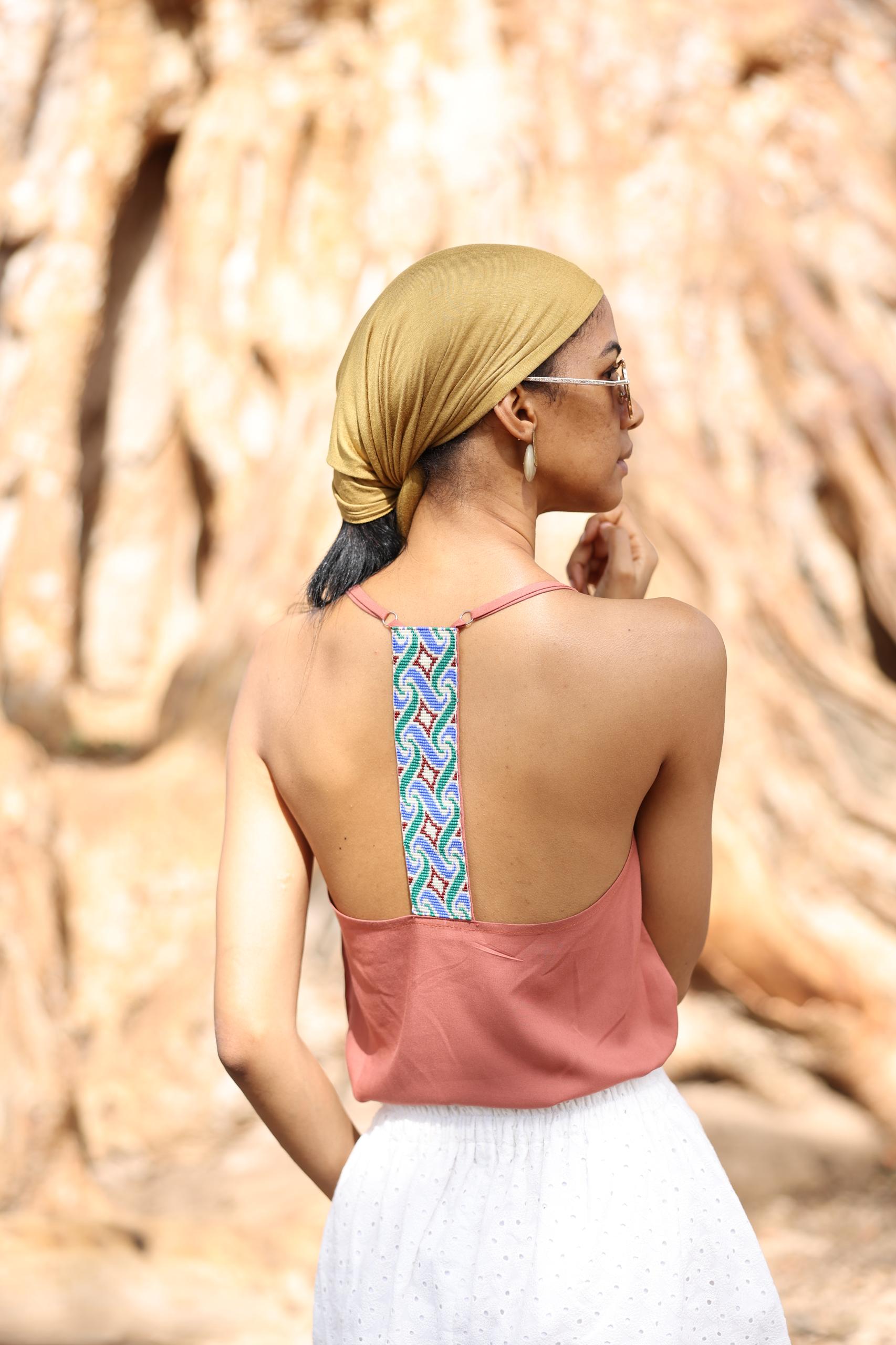
Susan is currently the creative director of the brand and she loves combining different materials and techniques to create innovative products. The brand notably participated in Swahili Fashion Week in 2019 for designer Martin Kadindas collection which they accessorized. Susan aims to constantly create new products for example the “Enaya” Tank top which has a beaded back strap is one of the brands best seller pieces
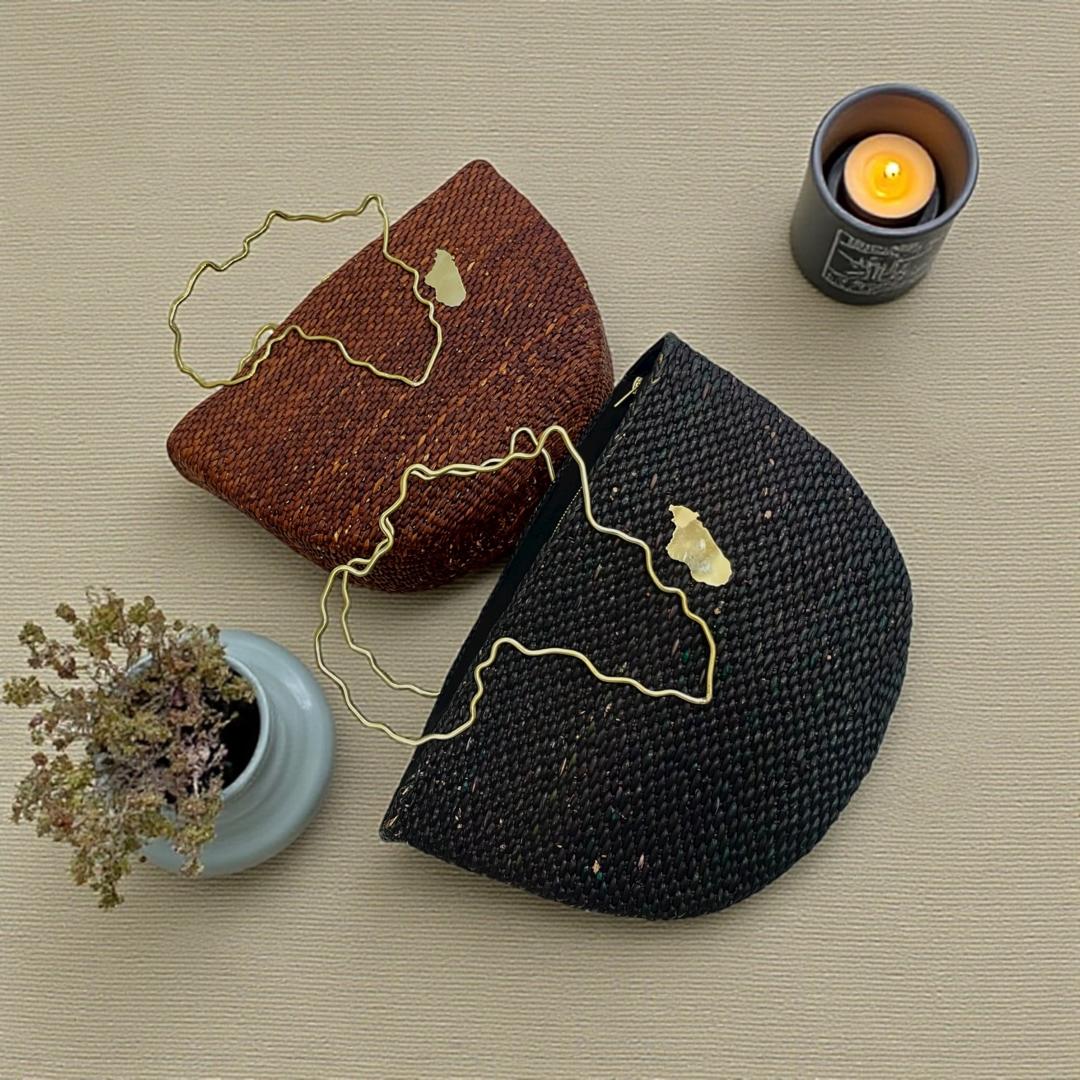
Opening a physical store has been a major milestone for the brand. Having started with a home studio Meraki has now located to a studio location and stocks at Hotel Slipway in Dar Es Salam where customers can enjoy the “Meraki” experience. The production team is mainly made up of youth and subcontracted artisans and basket weavers. 80% of the materials used are sourced locally the rest are rare materials that they import in from overseas. To ensure consistency in their various product offerings Susan focuses on doing her best to retain the artisans and talent in the team. Most of them have been with her for a long time and understand what is expected of them, the brand guidelines and strict quality control requirements.
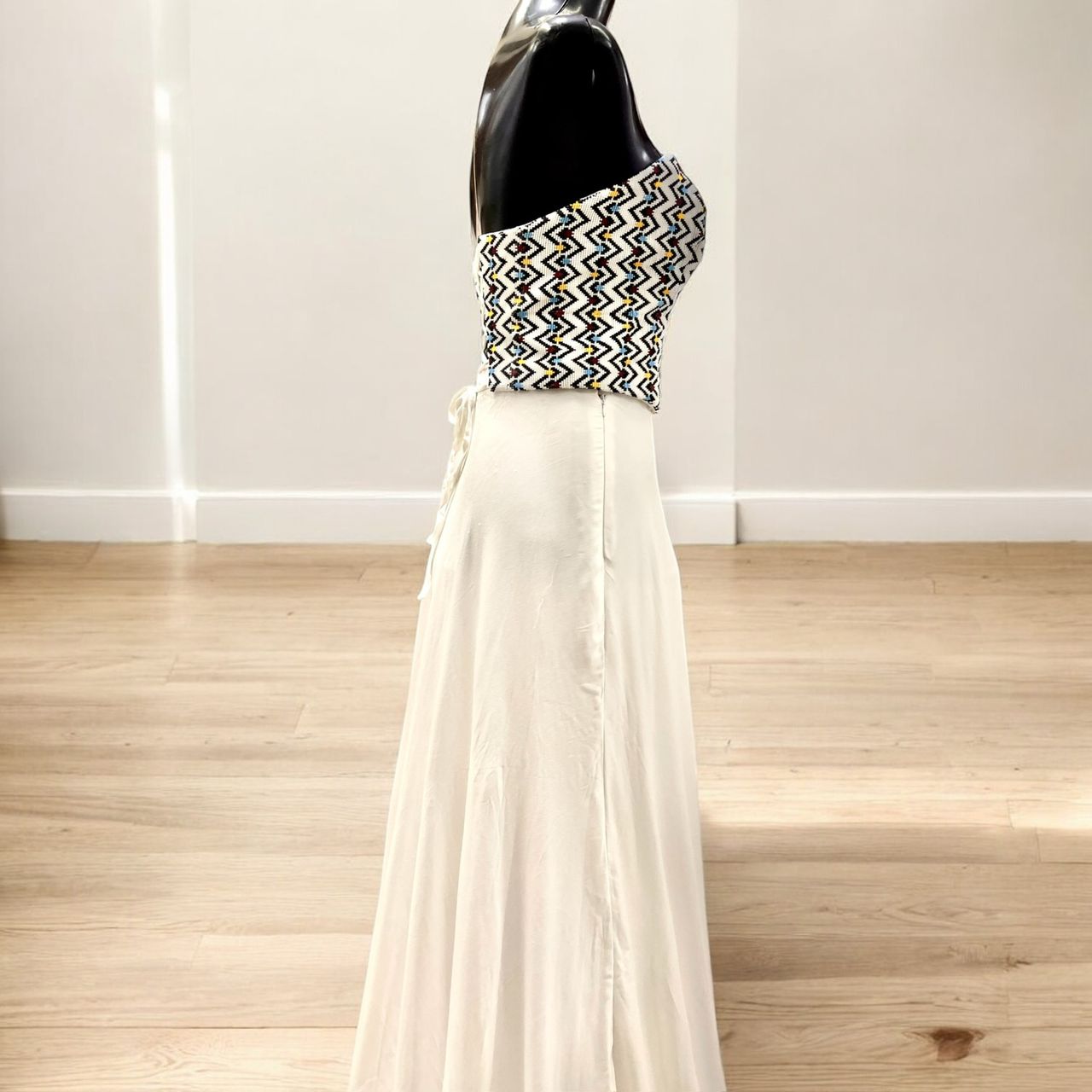
Meraki embodies sustainability in the limited quantities and editions of products they make so as not to create waste. Thereafter they only produce on order, and this creates a specialized feeling for the customers. At the heart of the brand is customization of their products. Recently they worked on an intricate fully beaded corset top for a wedding that the bride can re-use again for another occasion. Another client project was a fully beaded denim jacket on the back. Most of the custom-made projects are done by hand including engraving on the products. Technology is only used on the finishing stages of deep cleaning brass products to give them an extra shine. For all the customized beaded outfits Sarah recommends that they are only handwashed.
Key challenges the brand faces is access to quality materials on a regular basis. The supply chains are not consistent, and it is difficult to get the same quality of product twice hence Meraki adopting the option of limited editions of their products to manage this challenge.
Meraki’s main workforce consists of youth and women from underprivileged backgrounds and Sarah has to constantly work on streamlining their work ethic, patience and attention to detail required to develop the brands products.
Sarah believes that
“We have so much cultural depth to offer the world and we look forward to crossing borders to other continents”
She also looks forward to building a legacy brand that outlives with systems in place and a team that is fully passionate about the brand.
This article gave me practical information I can use this morning and I look forward to reading more from you
Very nice clothes and shoes bags
I was suggested this web site by my cousin Im not sure whether this post is written by him as no one else know such detailed about my trouble You are incredible Thanks