




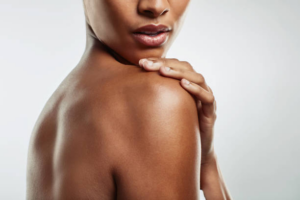
Body pimples have a way of making you think about them long before anyone else notices. You hesitate before putting on a sleeveless top or instinctively reach for clothes that keep your shoulders covered. It can feel frustrating, especially when you’re doing your best to look after your skin. The good news is that learning how to reduce body pimples will help you build a routine that gives your skin the chance to stay healthier and clearer over time.
What Causes Body Pimples?
Body pimples develop when hair follicles become clogged with oil, dead skin cells and bacteria. Everyday habits, the environment and even the products you use can all contribute to those breakouts, which is why treating them often starts with understanding what’s triggering them in the first place.
Sweat, Heat and Humidity
If you’ve ever noticed more breakouts after a long day outdoors or an intense workout, you’re not imagining it.
Living in Nigeria means your skin is regularly exposed to heat and humidity. Sweat itself doesn’t cause acne, but when it mixes with excess oil, dead skin cells and bacteria, it creates the perfect environment for clogged pores. Staying in sweaty clothes for hours only gives those conditions more time to build up.
One of the simplest ways to reduce pimples on the back and chest is to shower as soon as you can after sweating. The longer sweat and oil sit on the skin, the greater the chance they’ll contribute to congestion.
Friction from Clothing and Backpacks
Tight clothing, sports bras, heavy backpacks and even shoulder bags can create constant friction against the skin, and, combined with sweat, that repeated rubbing can irritate hair follicles and make existing breakouts worse. Dermatologists sometimes refer to this as acne mechanica, a form of acne triggered by heat, pressure and friction.
Choosing breathable fabrics and changing out of damp clothing after exercise can make a noticeable difference over time.
Hair Products, Oils and Clogged Pores
Conditioners, styling creams, body oils and other products can transfer onto your shoulders and back during a shower, especially if they’re not rinsed away completely. If those products are heavy or pore-clogging, they can contribute to body breakouts.
A simple habit like washing your body after rinsing out your conditioner can help remove any residue left behind. It’s a small change, but one that often gets overlooked in a clear skin routine.
A Simple Daily Routine to Reduce Body Pimples
The best skincare routines aren’t necessarily the longest. They’re the ones you can stick to consistently.
If you’re looking for a practical body acne treatment in Nigeria, start with habits that fit naturally into your day. They won’t make body pimples disappear overnight, but they can help create the conditions your skin needs to improve.
Step 1: Wash with a Medicated Soap After Sweating
This is one of the most effective habits you can build.
After exercise, long commutes or any activity that leaves you sweating, cleanse your skin as soon as possible rather than waiting until much later in the day. Removing sweat, excess oil, and everyday build-up helps reduce the chance of pores becoming clogged.
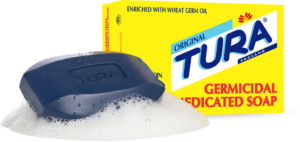
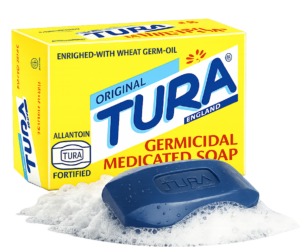
A medicated soap for pimples can be a useful part of this step. Tura Medicated Soap is designed to help cleanse the skin by washing away dirt, excess oil and surface bacteria, making it a practical option for everyday bathing. It works best as one part of a consistent skincare routine rather than as a standalone solution.
Step 2: Exfoliate Gently, Not Aggressively
When trying to figure out how to get rid of back acne fast, the instinct is often to scrub harder.
In reality, harsh scrubbing can irritate the skin and damage its protective barrier, making inflammation worse instead of better. Gentle exfoliation once or twice a week is usually enough to help remove dead skin cells without overdoing it.
Step 3: Moisturise with Non-Comedogenic Products
One of the biggest misconceptions about body acne is that moisturising makes it worse. In reality, skin that’s stripped of moisture can become irritated, and irritation often makes breakouts more difficult to manage.
Choose a lightweight, non-comedogenic moisturizer after bathing. Applying it while your skin is still slightly damp helps lock in moisture and supports your skin barrier, an important part of any effective clear skin routine.
Step 4: Change What Touches Your Skin
Your skincare routine doesn’t end when you leave the bathroom.
Bedsheets, towels, gym wear and even pillowcases collect sweat, oil and bacteria over time. If they aren’t washed regularly, they can repeatedly come into contact with your skin, making it harder for breakouts to settle.
Aim to change towels every few uses, wash bedsheets weekly and avoid staying in sweaty clothes after workouts. These simple habits often make more difference than people expect.
Why Medicated Soap Helps: Where Tura Fits In
A medicated soap isn’t a cure for body acne, but it can be a helpful part of a consistent routine.
When used after sweating or at the end of the day, Tura Medicated Soap helps cleanse the skin by removing dirt, excess oil and surface bacteria that can contribute to clogged pores. That makes it a practical option for people looking to simplify their routine without adding multiple cleansing products.
If you’re looking to add it to your routine, it’s available in the Tura collection at The Diva Shop.
Best Soap for Body Acne in Nigeria: What to Look For
If you’re searching for the best soap for body acne in Nigeria, focus less on marketing claims and more on what the product is designed to do.
Most importantly, remember that even the best cleansing routine takes time. Healthy skin is usually the result of steady habits rather than quick fixes.
When to See a Dermatologist
Most mild body breakouts improve with consistent skincare, but some situations need professional attention.
The American Academy of Dermatology posits that if your acne is painful, forms deep cysts, leaves noticeable scars or doesn’t improve after several weeks of good skincare habits, it’s time to see a dermatologist. The same applies if your breakouts are affecting your confidence or daily life more than they should.
Getting professional advice early can help you avoid unnecessary trial and error while finding a treatment plan that’s suited to your skin.
Frequently Asked Questions
How long does it take for body pimples to clear?
There’s no single timeline because everyone’s skin is different. Mild body acne often starts improving after several weeks of a consistent routine, but lasting results usually depend on sticking with healthy skincare habits rather than expecting immediate changes.
Can I use Tura Medicated Soap every day?
Yes. Tura Medicated Soap is designed for everyday cleansing. If your skin tends to feel dry after washing, using a non-comedogenic moisturiser afterwards can help maintain your skin’s moisture barrier.
What causes body pimples the most?
Body pimples usually develop when excess oil, dead skin cells and bacteria clog hair follicles. Heat, humidity, friction from clothing, sweaty workout gear and certain hair or body products can all contribute to breakouts.
How do I get rid of back acne fast?
There’s no instant solution, but showering with Tura medicated soap after sweating, cleansing consistently, exfoliating gently once or twice a week and avoiding pore-clogging products can all help improve back acne over time. If the acne is severe or painful, it’s best to consult a dermatologist.
Conclusion
Body pimples can affect more than your skin. They can influence what you wear, how confident you feel and even how comfortable you are in your own body. The encouraging part is that meaningful improvement often comes from small, consistent habits rather than complicated routines.
Progress won’t always happen overnight, but every good routine starts with a single habit. Understanding what causes acne, staying consistent and patient with your skin and allowing time to take its course will definitely eventually land you at the results you aim to see!