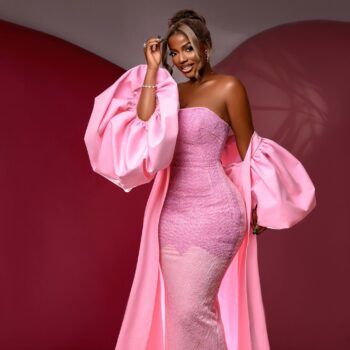
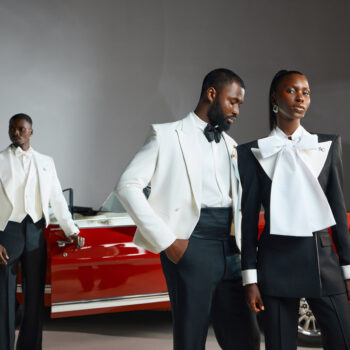
You know those style stars whose outfits make you pause mid-scroll? The ones who seem to have a distinct visual language, where every print, colour, silhouette and accessory feels intentional without ever looking overly calculated? Fashion creators like Eni Popoola and Tobi Ojora come to mind, but when it comes to building a wardrobe that feels expressive, versatile and unmistakably personal, Fisayo Longe is one to watch.
Yes, she’s the founder and creative force behind Kai Collective, the renowned fashion brand loved for its bold prints, striking silhouettes and pieces made for ambitious, stylish women. But beyond the clothes she creates, Fisayo’s personal style offers a masterclass in making fashion feel like an extension of who you are.
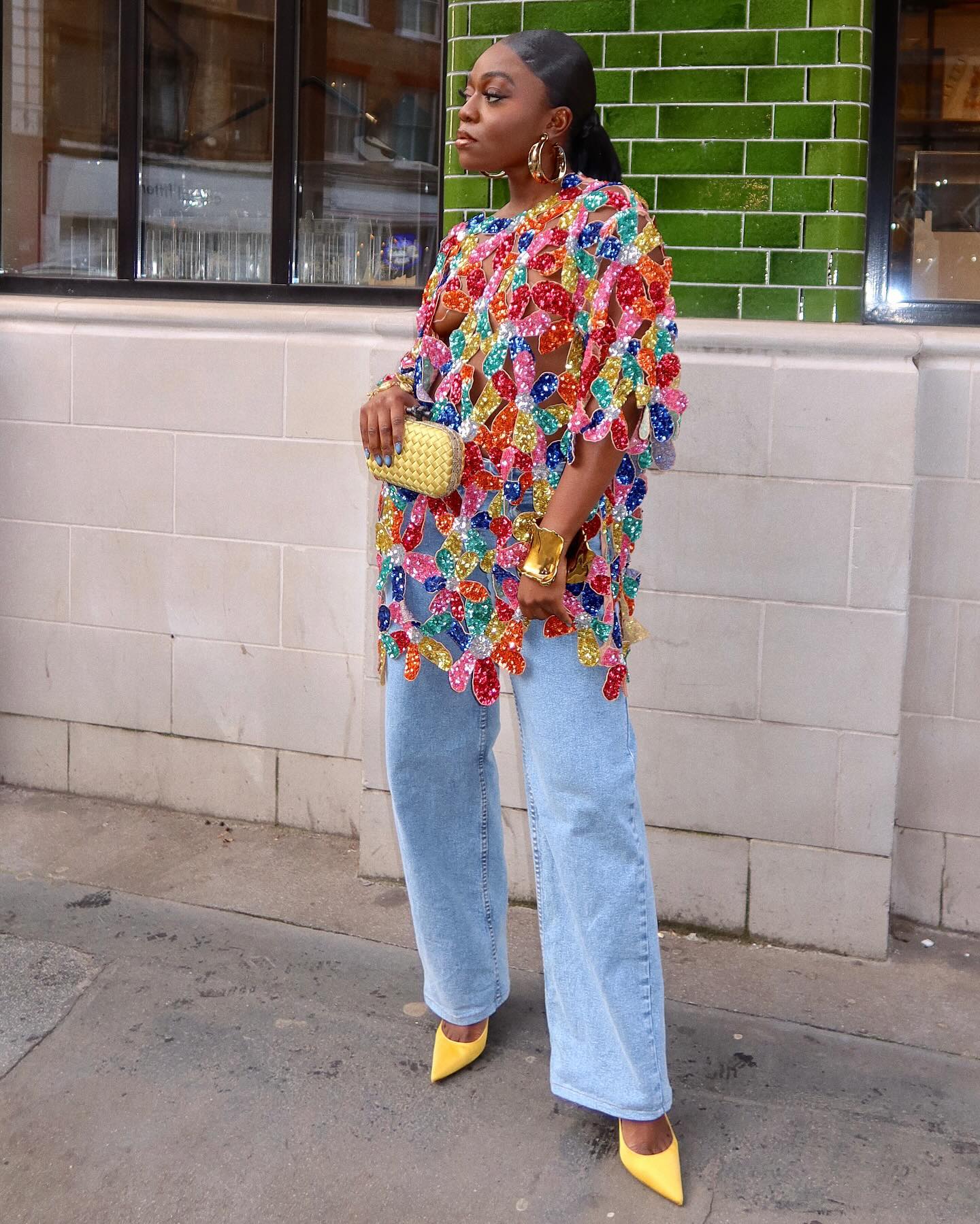
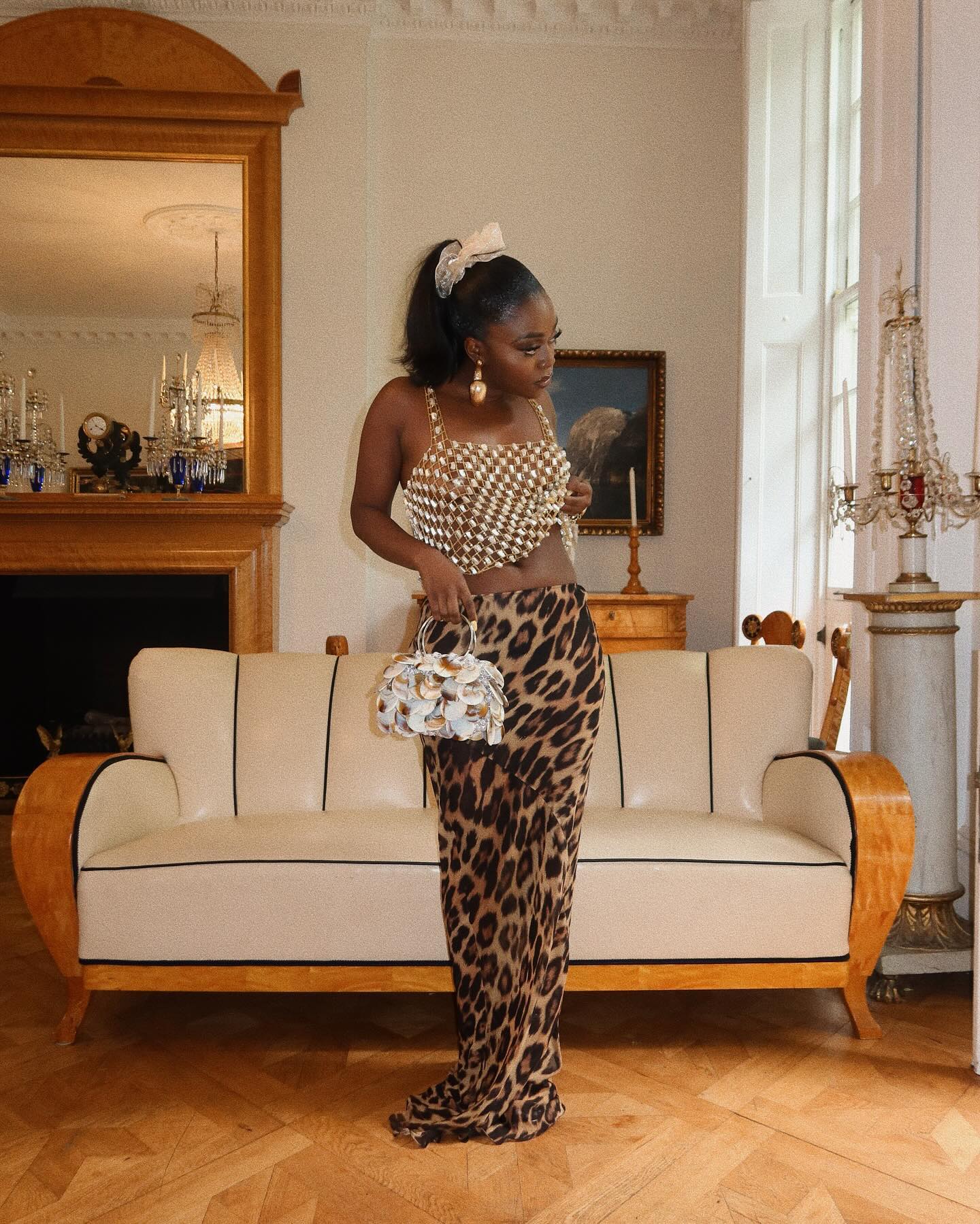
Whether she’s wearing her own designs or bringing simple wardrobe staples to life, she has a knack for putting pieces together in ways that feel considered yet completely natural. Rich colours meet unexpected prints, statement accessories elevate understated looks, and structured silhouettes are balanced with more relaxed pieces. The result is a wardrobe that feels playful, polished and confident, without being confined to one aesthetic.
And the best part? Her style isn’t reserved for red carpets or fashion events. From running errands and travelling to attending industry events or simply enjoying a day out, she consistently finds ways to make even everyday dressing feel distinctive.
Pay close attention to her style, and you’ll notice there are plenty of cues worth borrowing — not to replicate her looks, but to understand how she makes fashion feel personal.
Let’s explore some:
Style Different Prints In One Outfit
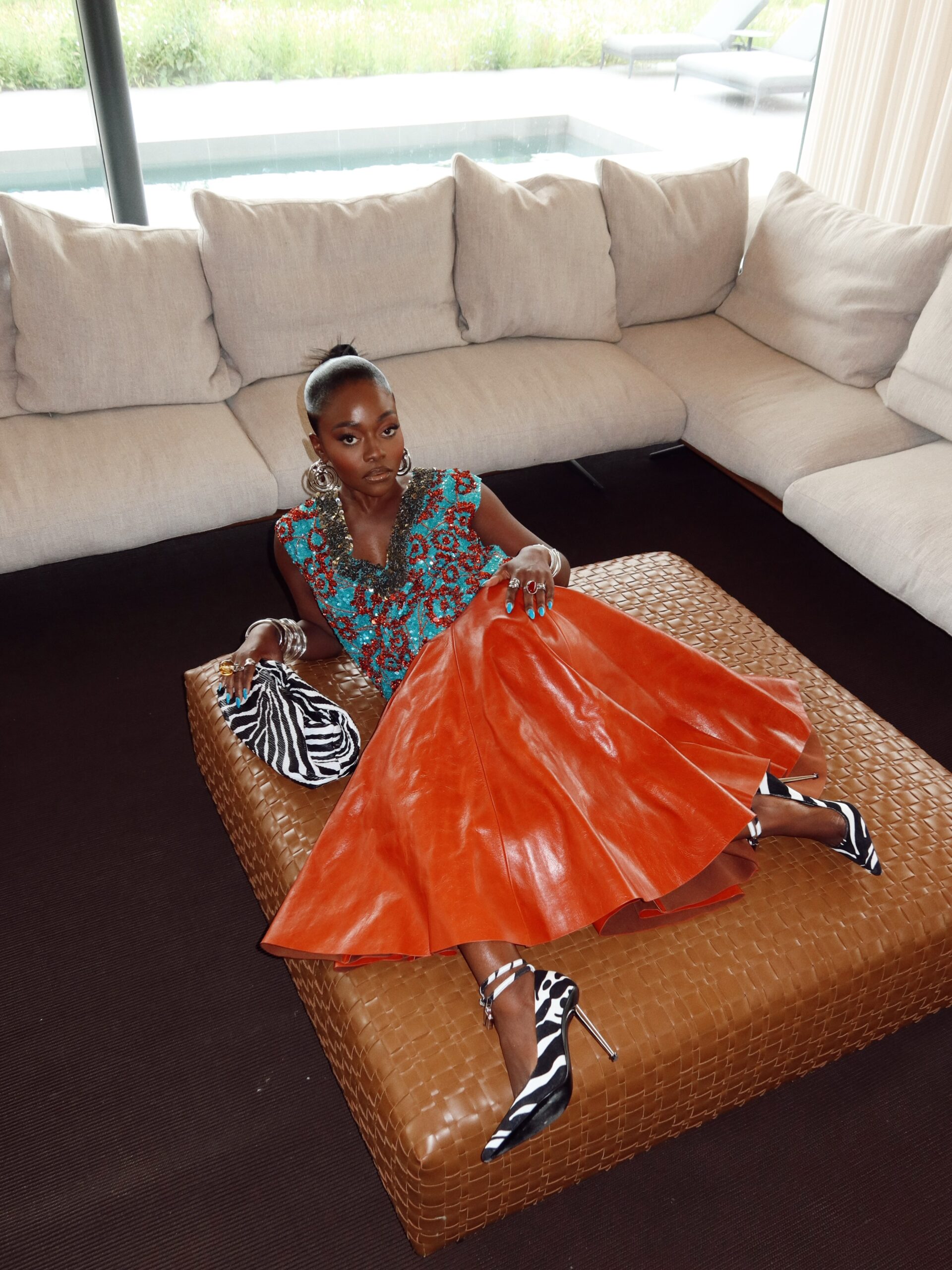
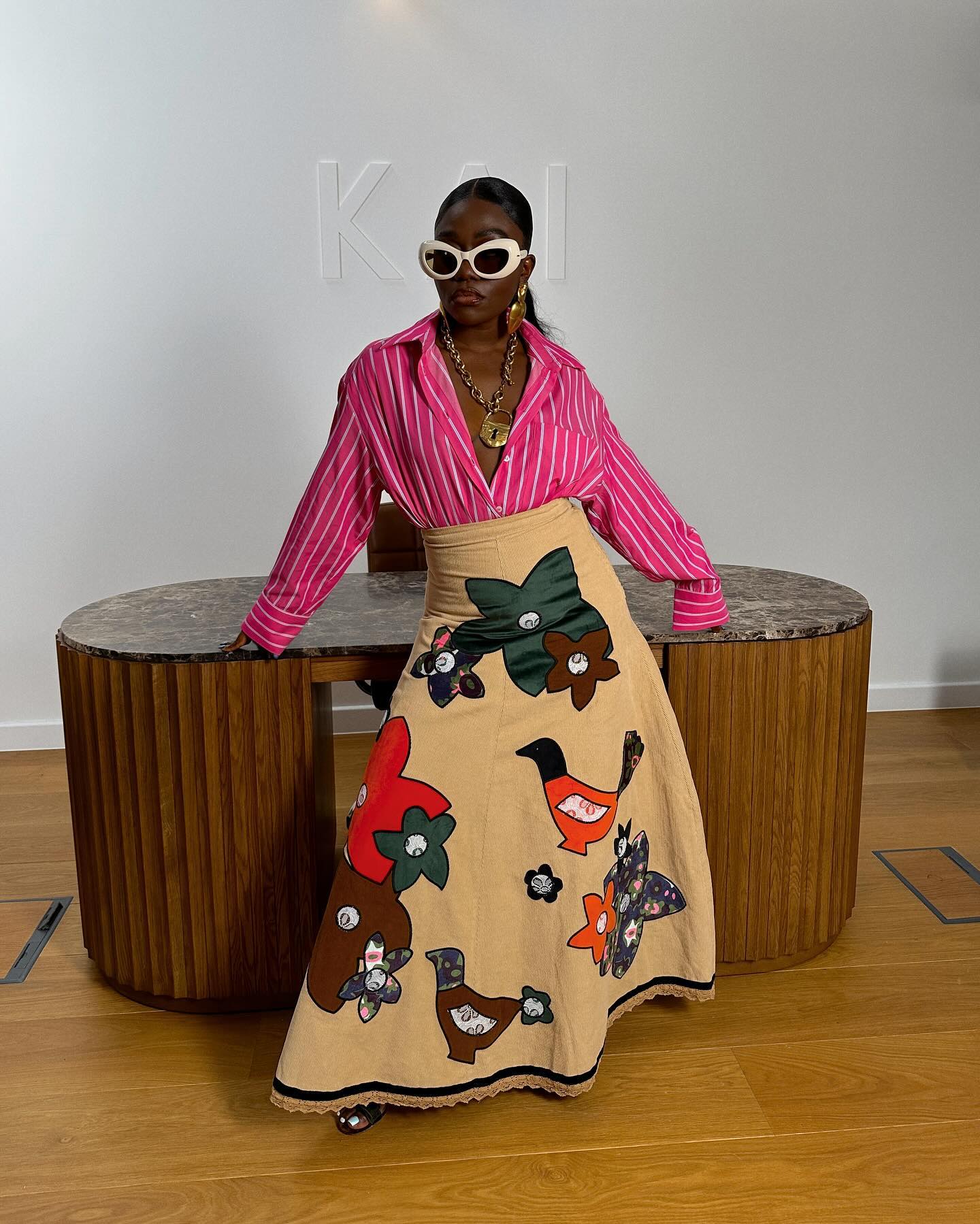
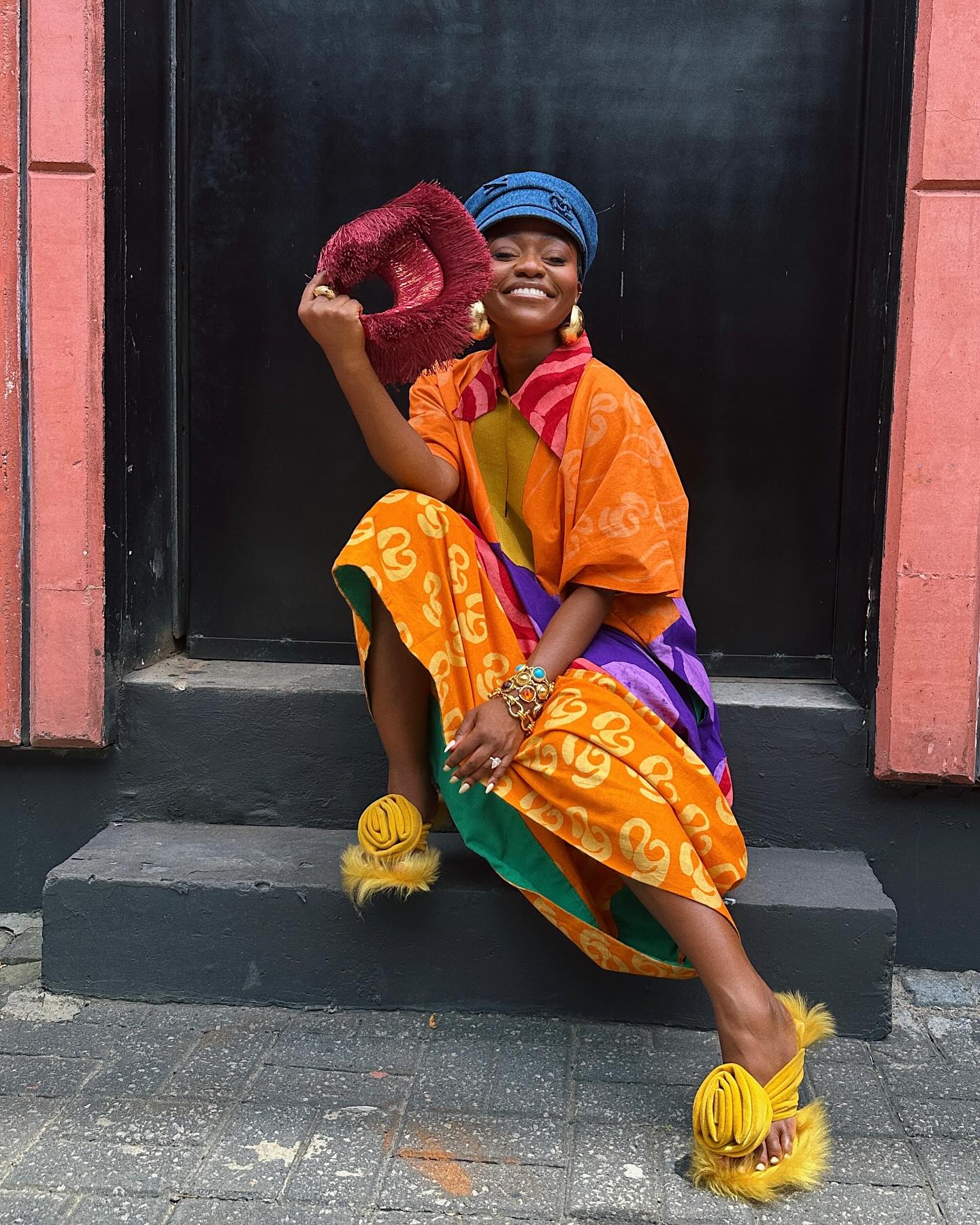
Print mixing can instantly make an outfit feel more expressive, but the key is to make the combinations feel intentional. Start with prints that share at least one colour, then play with different scales — think a small floral print with larger stripes, or a bold zebra skirt with a patterned top. You can also introduce the second print through an accessory, like pairing a printed dress with a contrasting patterned bag or shoes. If you’re new to print mixing, stick to two patterns rather than trying to make several compete for attention.
Choose Pieces With Details That Create Movement
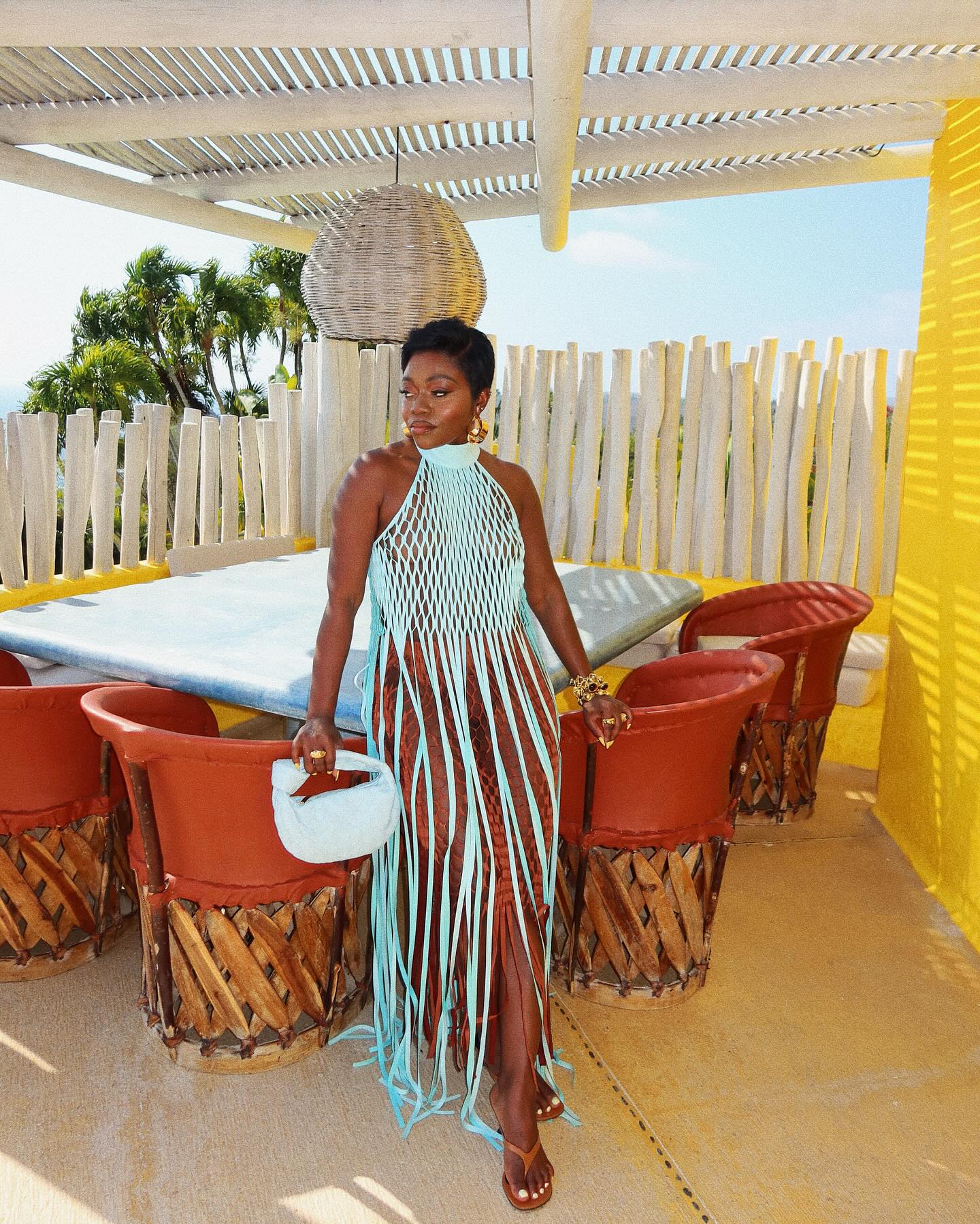
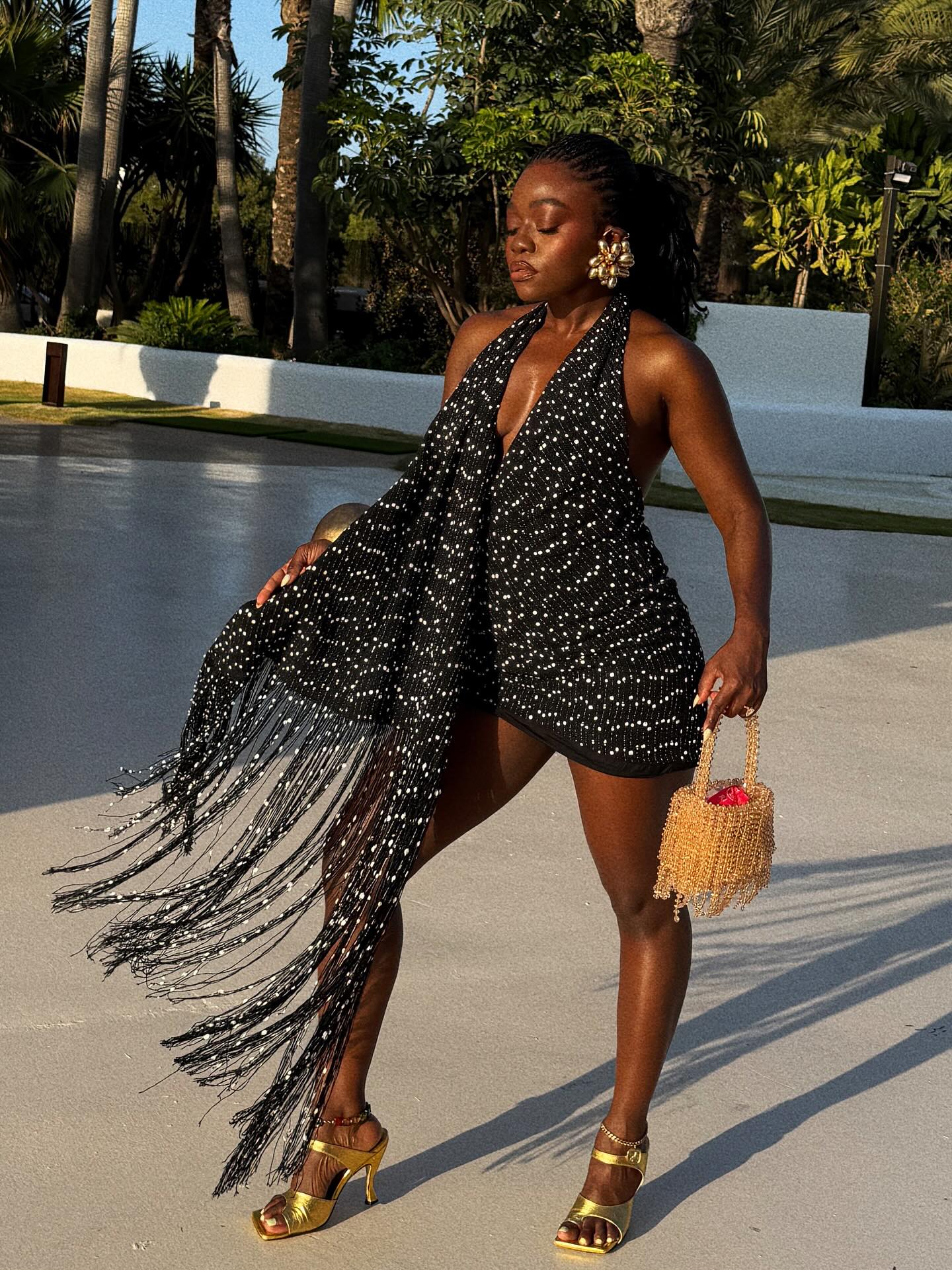
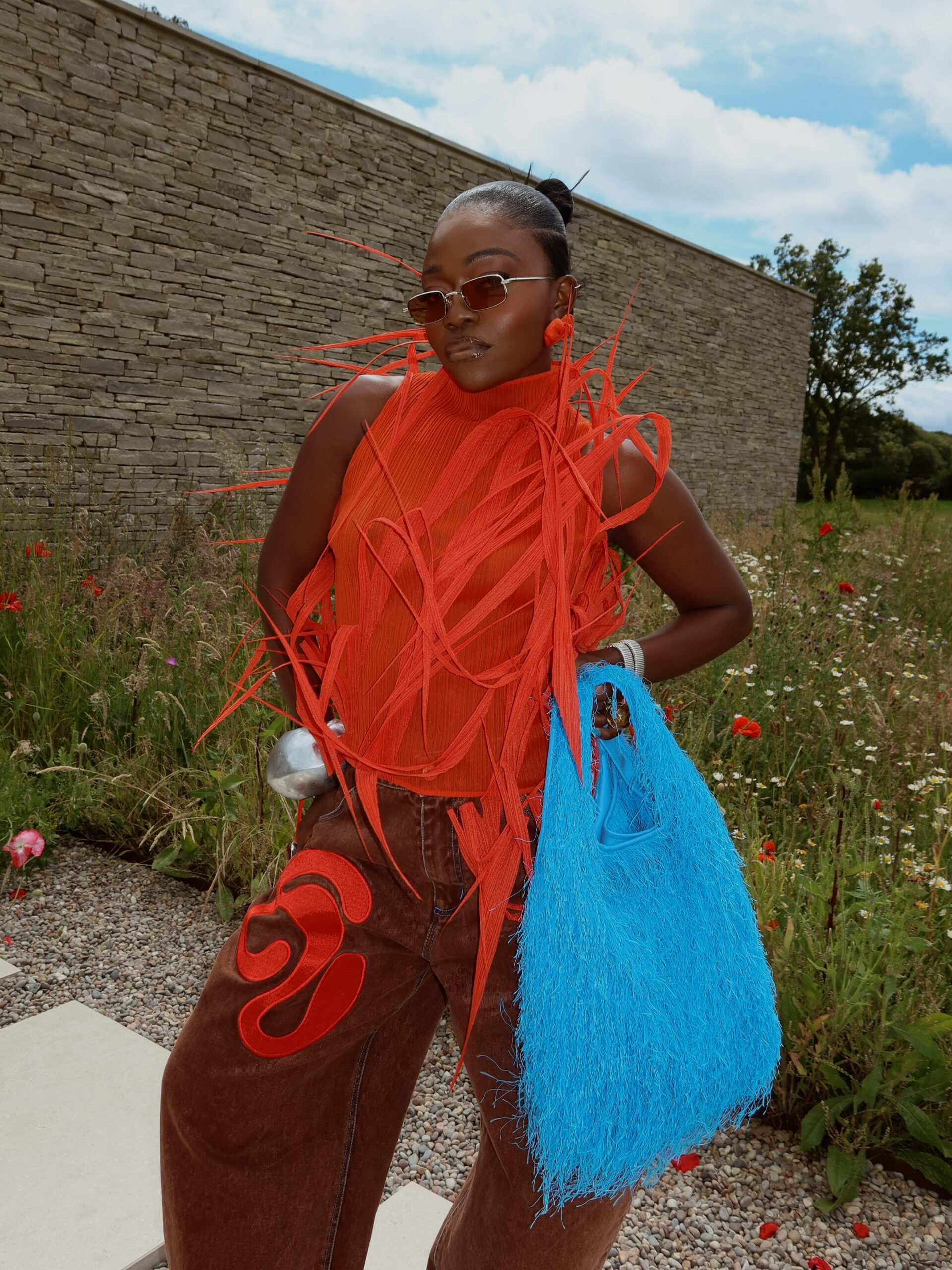
Look for clothes that move with you rather than simply sitting on the body. Draped skirts, fringe, pleats, ruffles, flowing sleeves and asymmetric hemlines can give even a relatively simple outfit more personality. A fitted top with a draped skirt, for example, creates movement without overwhelming the look, while a fringed bag or flowing scarf can add the same effect through your accessories. When wearing a statement piece with lots of movement, keep the rest of the outfit relatively clean so the detail can take centre stage.
Play With Proportions
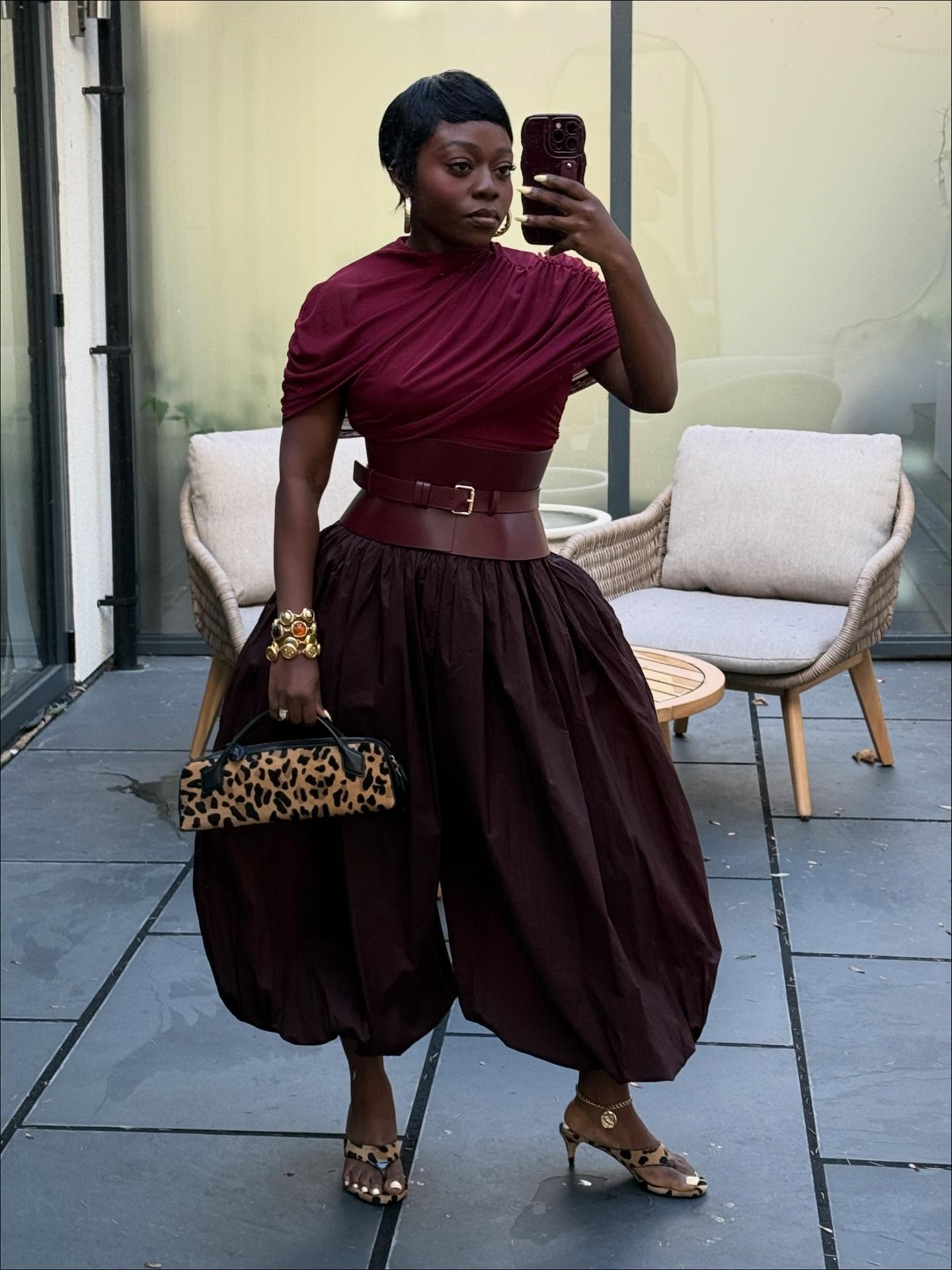
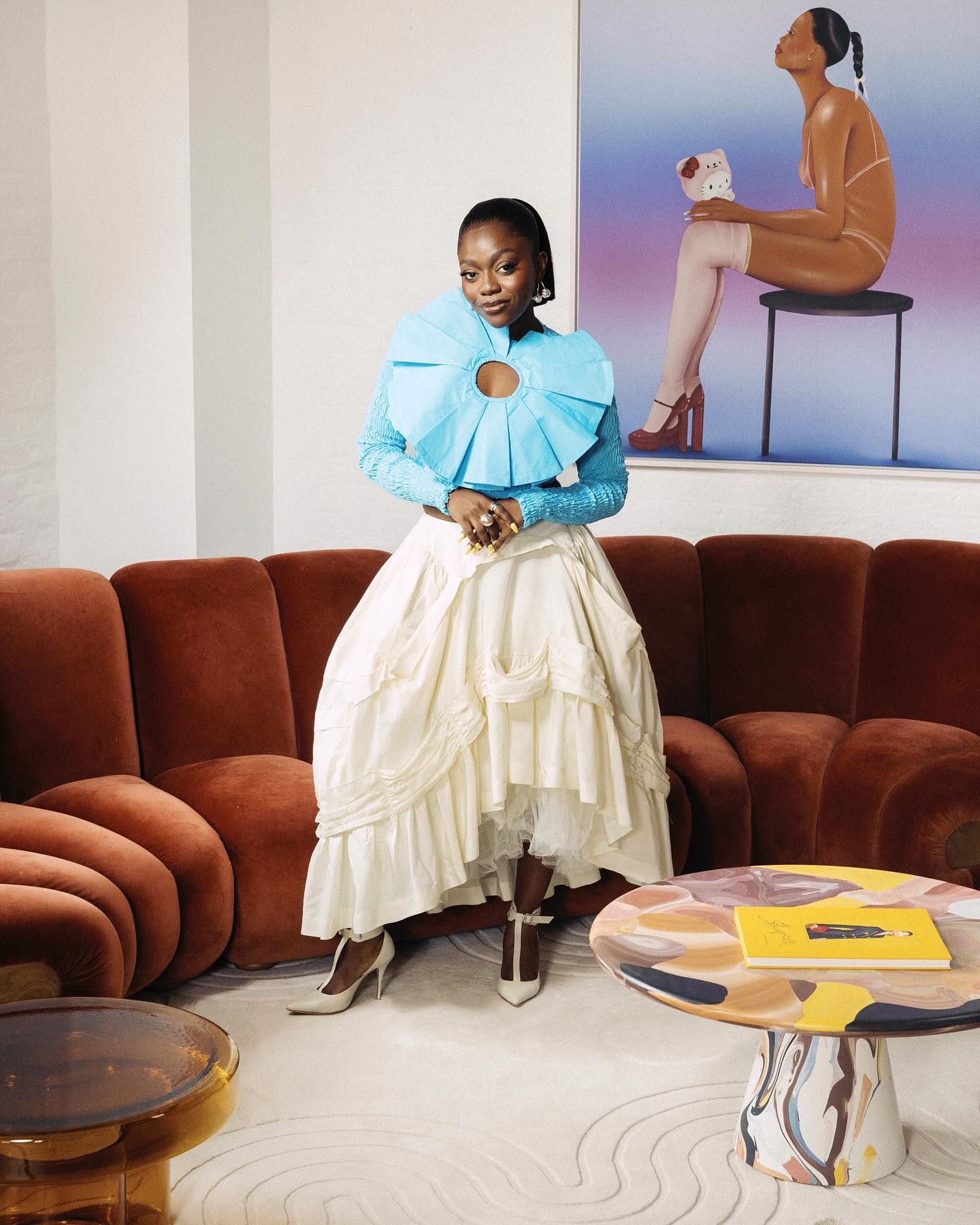
Instead of pairing fitted pieces with other fitted pieces, play with contrast. Style an oversized blazer with a fitted mini skirt, a cropped top with wide-leg trousers, or a chic blouse paired with balloon trousers. You can also play with length by layering a cropped jacket over a long dress or wearing a longer skirt with a smaller, fitted top. The idea is to create different shapes within one look.
Have Fun With Bold Colours
Colour doesn’t have to be used in monochrome fashion. Explore unexpected combinations like blue with orange, lime green with pink, or burgundy with a rich shade of yellow. If wearing several bold colours feels intimidating, start with one statement shade and build around it. You can also repeat one colour in different shades to make a vibrant combination feel more cohesive.
Pair Different Textures In Your Outfits & Accessories
Combining textures can make even a simple outfit feel much more interesting. Try pairing a silky or satin skirt with a chunky knit, denim with a soft blouse, or a structured leather bag with a flowy dress. Your accessories are another easy place to experiment: a beaded bag with a sleek outfit, woven shoes with tailored trousers, or a textured statement necklace against a smooth fabric can add another layer of interest. You don’t need several textures in one look — even two contrasting finishes can make a noticeable difference.