




Kenyan designer Anil Padia is making fashion history with Yoshita 1967, becoming the first Kenyan finalist in the history of the LVMH Prize before going on to win the 2026 Savoir-Faire Prize. The honour recognises the label’s exceptional craftsmanship, technical expertise and commitment to artisanal production.
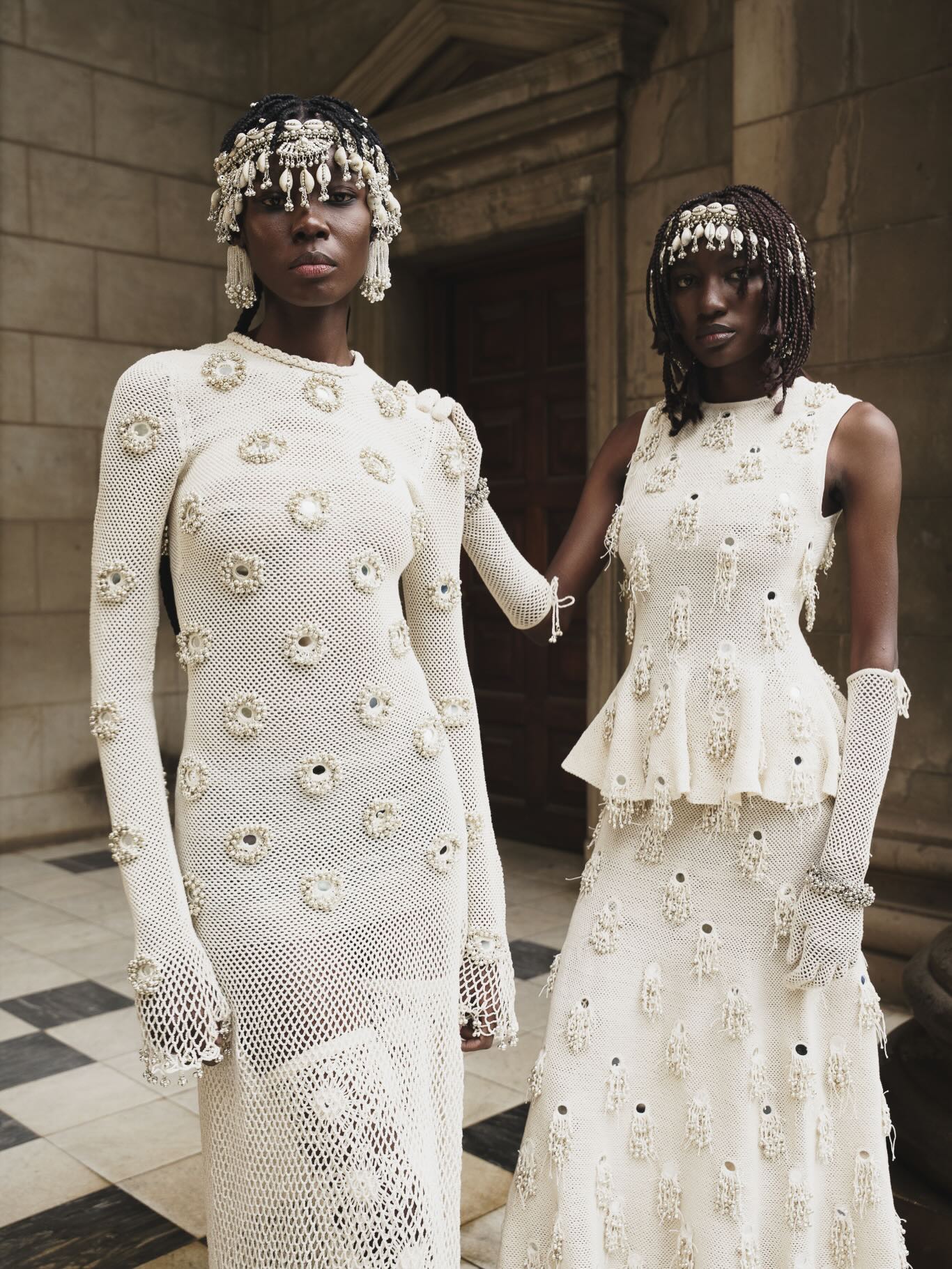 Founded by Padia, Yoshita 1967 is a Nairobi and Paris-based luxury house shaped by his Kenyan-Indian heritage and a deep commitment to handwork. The designer has built the label around slow production and long-term collaborations with women-led craft communities in Kenya, placing craft, cultural memory and community at the heart of its identity.
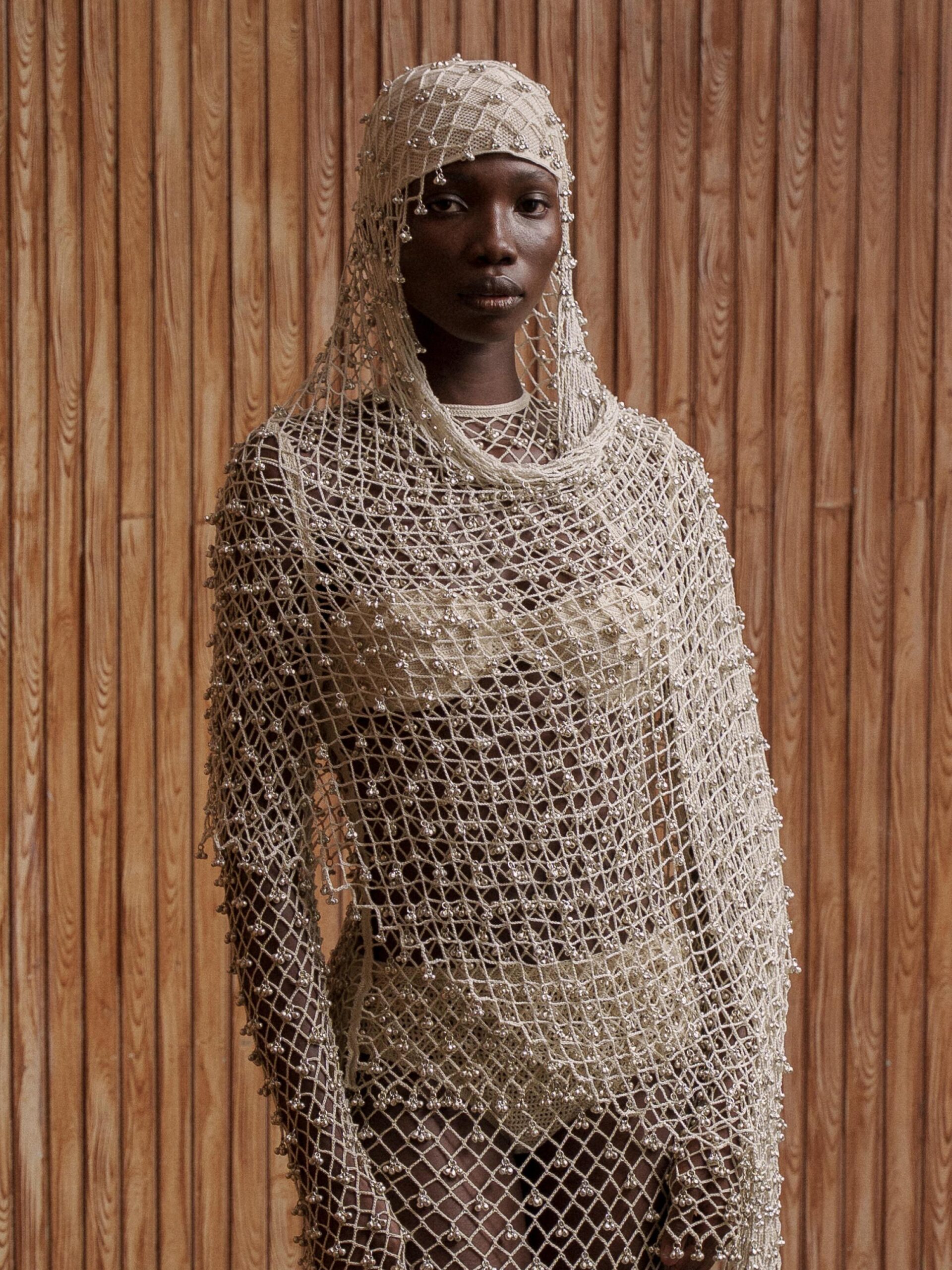
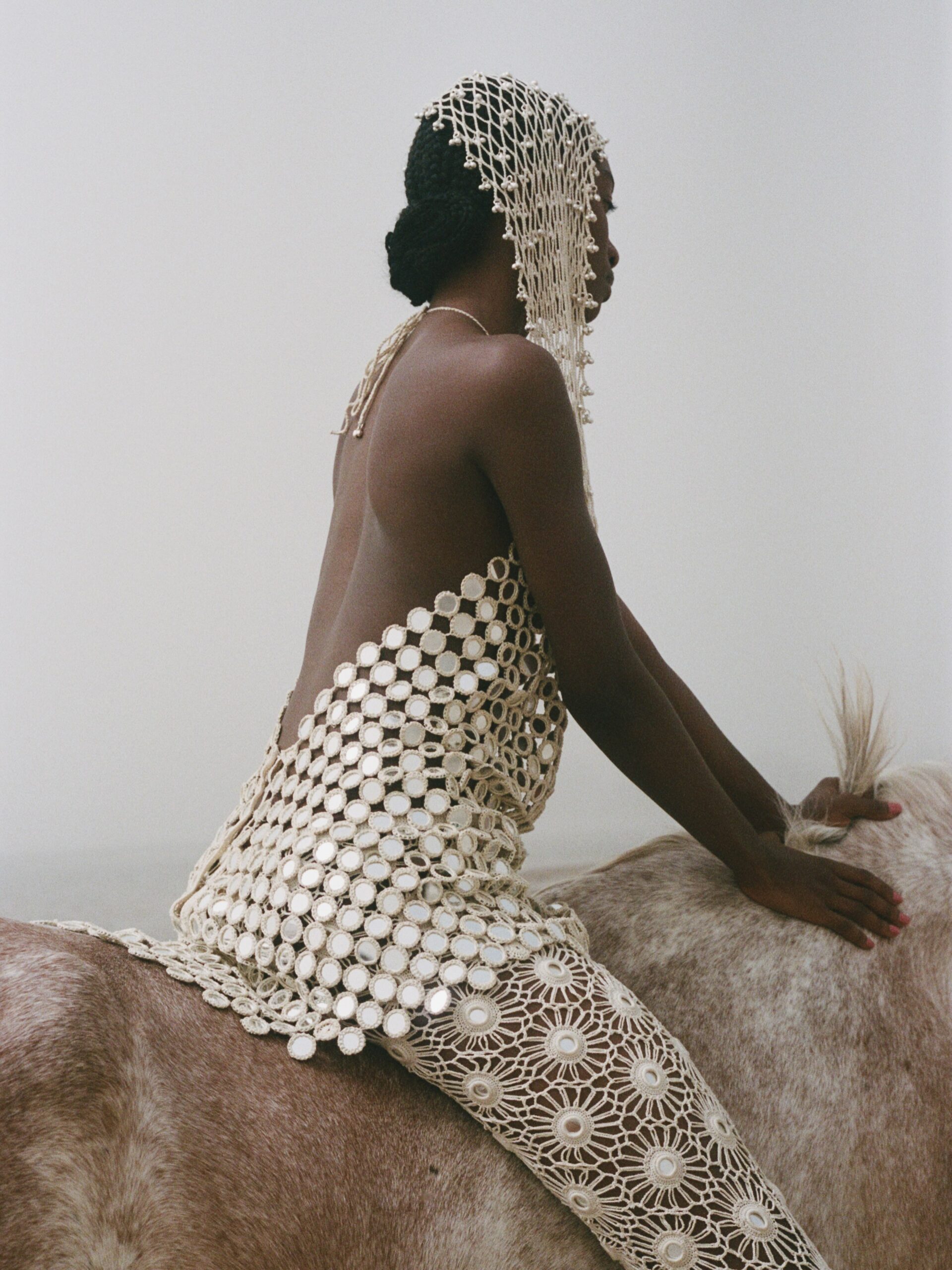 And the clothes make that philosophy immediately visible. Crochet is central to Yoshita 1967’s design language, transformed from a traditionally domestic craft into intricate, sculptural luxury. Padia pushes the technique into structured silhouettes, combining it with corsetry, embroidery and hand embellishment. His recent collection was entirely handmade, incorporating cotton thread, glass mirrors and silver-plated bells.
Beyond the striking garments, there is a deeply personal story woven into the label. Yoshita 1967 draws from Padia’s Indo-Kenyan lineage and family histories, using fashion to explore identity, memory and stories that have often remained unspoken. Even the brand’s name pays tribute to his aunt, Yoshita, whose story inspired part of the label’s creative direction.
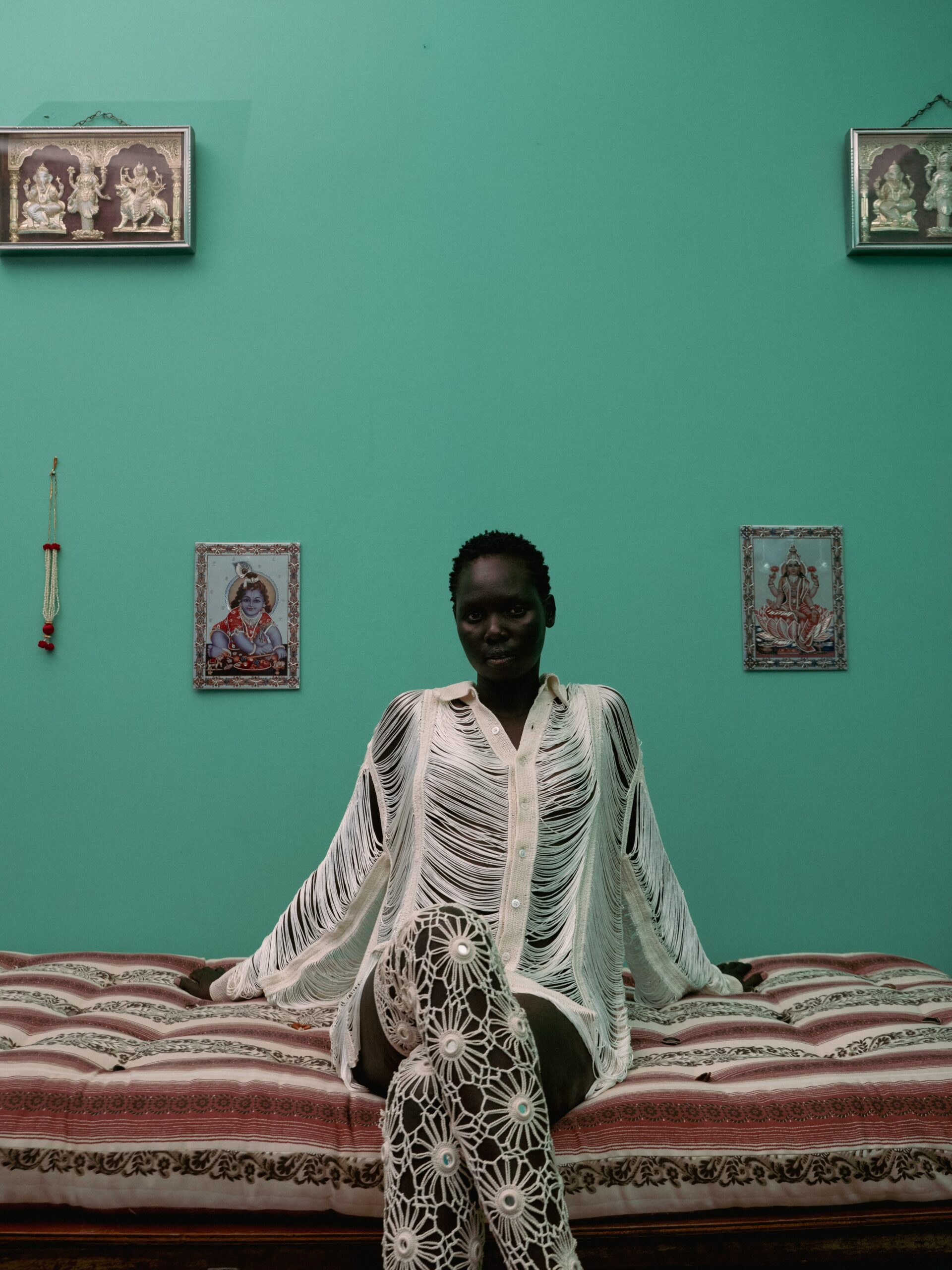 The Savoir-Faire Prize feels particularly fitting for a brand so committed to the people and processes behind fashion. Alongside the recognition, Yoshita 1967 receives a €200,000 grant and a year of mentorship from LVMH experts, giving Padia and his team another platform to grow their craft-led vision.
From Nairobi to Paris, Anil Padia is proving that the future of luxury can be deeply rooted in heritage, handwork and the people who keep these skills alive. Now, we’re taking a closer look at the Yoshita 1967 pieces that brought this remarkable story to the global fashion stage.