


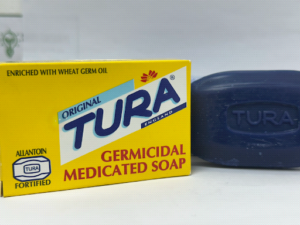
Tura soap was never banned in Nigeria. You can walk into a pharmacy this afternoon and buy one, same as last year and the year before. If a WhatsApp broadcast that has been forwarded too many times told you otherwise, whoever sent it had the story wrong.
It is a stubborn rumour though, coming round every year or two with fresh blurry screenshots attached. Where it started is worth knowing, because the mix-up behind it points at something you should be checking.
Where the Tura Soap Ban Rumours Came From
The rumour grew out of a real regulatory decision, just not the one people assume.
NAFDAC banned mercury from cosmetics sold in Nigeria. Its own guidance is explicit: mercury and its salts are prohibited in cosmetic products, along with hydroquinone above 2% and corticosteroids in body creams.
Enforcement followed. NAFDAC has seized consignments of imported medicated soap found on testing to contain mercury, including a Lagos warehouse raid that produced thousands of cartons. The agency published a full briefing on that case naming the products involved.
Those seizures made the news, and the headlines said what headlines say. Read “banned medicated soaps” with a bar of medicated soap sitting in your own bathroom and of course you wonder about yours. Tura is one of the most familiar medicated soap names in this country, so a good share of that worry attached itself to it.
Is Tura Medicated Soap Banned in Nigeria?
No. NAFDAC banned an ingredient- an ingredient not present in Tura, by the way which is a different thing from banning a brand.
A rule against mercury governs what a manufacturer may put in a bar of soap. Products only fall foul of it when testing shows they have broken that rule, and the agency then names the product and its batch in a public alert anybody can read.
Tura Medicated Soap has never turned up in one of those alerts, and it does not contain mercury. What the formulation uses is salicylic acid and germicidal agents for spots and body odour, along with wheat germ oil, allantoin and vitamin E. Turn the pack over and read the list for yourself. It is a good habit with any soap.
A second thread muddies things. Soaps and detergents of every kind sit on the Federal Government’s import prohibition list, which NAFDAC restated in that same briefing. That is trade policy protecting local manufacturing and says nothing about safety, though people who read about prohibited soaps tend to assume they have read about dangerous ones.
The Real Risk Is a Fake Product, Not a Ban
Nigeria has a counterfeiting problem. If a thing sells, somebody is copying it, and that was true of noodles, milk and engine oil long before soap.
So the honest position is this. Tura is not banned, and it is entirely possible that you or somebody on your street has bought a counterfeit bar from a roadside tray without ever knowing it. That says less about Tura than about how a good deal of Nigerian retail works, and the fix is the same for every FMCG product you buy.
How to Verify a Product on the NAFDAC Database
Brand team: Please share a screenshot of the NAFDAC registration number on the packaging.
Alt text: How to check a soap’s NAFDAC registration number in Nigeria
Work through these before you buy any product, not just Tura alone.
- Find the NAFDAC registration number on the pack: It is printed on the carton near the manufacturer’s details, with a batch number and manufacturing and expiry dates.
- Search the NAFDAC Greenbook at greenbook.nafdac.gov.ng: it lets you search by product name, registration number, active ingredient or manufacturer. One thing to know first: the Greenbook covers drugs, vaccines, medical devices, veterinary products, herbals and disinfectants. Cosmetics and soaps are not listed, so a blank result for a soap tells you nothing and is not a red flag.
- Check the public alerts list instead: NAFDAC publishes every withdrawal, suspension and cancellation at nafdac.gov.ng, numbered by year, and any soap that has been actioned is named there with its batch details. Search that page before you believe anything you were sent.
- Ask NAFDAC directly if you are still unsure: The agency takes reports on suspected counterfeit products on 0800-162-3322, at [email protected], or through the Med Safety app.
How to Identify Original Tura Medicated Soap
Image: annotated packshot pointing to authenticity markers.
Alt text: How to identify original Tura soap packaging
Counterfeiters have become so good at copying artwork. Printing quality is harder to fake, and the soap itself is the hardest of all, which is roughly the order to check things in.
Start with the print. Fuzzy edges around the logo, colour shade different from the Tura you know, a spelling error. Then look for the NAFDAC number, batch code and manufacturer’s address, cleanly printed rather than smudged.
Price deserves a thought too, a Tura Medicated soap going far below the average retail price is cheap for a reason; it could be fake or expired. Shine your eye!
Then open it. Genuine Tura has an even colour right through the bar and a scent you would recognise, while counterfeits tend to smell of heavy perfume covering something else, feel waxy in the hand, and melt away in water within days.
Why Buying from Trusted Retailers Matters
Registered pharmacies, established supermarkets and online sellers are all safe enough, because their stock comes through a distribution chain that traces back to the manufacturer, and nobody in that chain will risk a licence over a bar of soap. If you would rather order it than go out, buy Tura soap from a verified retailer such as The Diva Shop. Whichever route you take, hold on to the receipt.
FAQs
Is Tura soap banned in Nigeria?
No. Tura Medicated Soap is not banned in Nigeria and is sold legitimately through pharmacies, supermarkets and licensed online retailers. The rumour comes from NAFDAC’s ban on mercury in cosmetics, which applies to the ingredient and not to any brand, and from enforcement against imported medicated soaps found to contain it.
Does Tura soap contain mercury?
No. Tura Medicated Soap does not contain mercury. Its formulation uses salicylic acid and germicidal agents, with wheat germ oil, allantoin and vitamin E. The full ingredient list is printed on the pack, and mercury does not appear on it.
How do I check if a soap is NAFDAC approved?
Find the NAFDAC registration number, batch number and manufacturer details on the packaging, then search NAFDAC’s public alerts list at nafdac.gov.ng to confirm the product has not been actioned. The NAFDAC Greenbook does not cover cosmetics or soaps, so a soap not appearing there is normal. For confirmation, contact NAFDAC on 0800-162-3322 or [email protected].
The Bottom Line
Tura was never banned in Nigeria. Mercury in cosmetics was, and somewhere in the retelling, the two got tangled together until a rule about an ingredient came back around as a rumour about a brand.
The pack in your hand is what deserves attention. Read the printing, find the registration number, and buy from a shop you could walk back into if something turned out wrong.
*Sponsored Post