



Ten years ago, Kelvin Chinedu Ezike launched Zikel Cosmetics with little more than a desire to build something meaningful. What started as an unexpected journey into the beauty industry has since grown into a Nigerian beauty brand spanning makeup, tools, skincare, collaborations and more.
Now, as Zikel marks a decade, Kelvin is looking back at the lessons, risks and defining moments that shaped the brand. From learning that beauty has no gender to understanding the evolving Nigerian beauty consumer, he reflects on building Zikel alongside his wife, the products that became central to its story and his ambitions for the next chapter.
In this conversation, Kelvin gets candid about 10 years of Zikel, the mistakes that taught him the most and why, despite everything the brand has achieved, he believes there is still so much left to build.

Hello, thank you for joining us. How are you today?
I’m very well, thank you. Honestly, if you had told me that I’d be sitting here reflecting on a decade of building a beauty brand, I probably would have laughed. At the time, I was just trying to figure things out and make the next right move.
If you could go back and speak to the Kelvin who launched Zikel in 2016, what’s the first thing you’d tell him?
I’d tell him, “Relax. You’re going to be okay.” That young Kelvin was in a hurry. I wanted everything to happen quickly. I wanted the brand to grow; I wanted people to recognize Zikel, I wanted to prove that we could build something meaningful.
But I’ve learned that building a real brand is not a sprint. There are seasons when you are planting, seasons when you’re watering, and seasons when you finally start seeing the fruit.
I’d also tell him not to be afraid of making mistakes. Some of the decisions I made in those early years weren’t perfect, but they taught me lessons that no business book could have taught me.
 Did you ever imagine that a side of the beauty industry many people considered “for women” would become your life’s work?
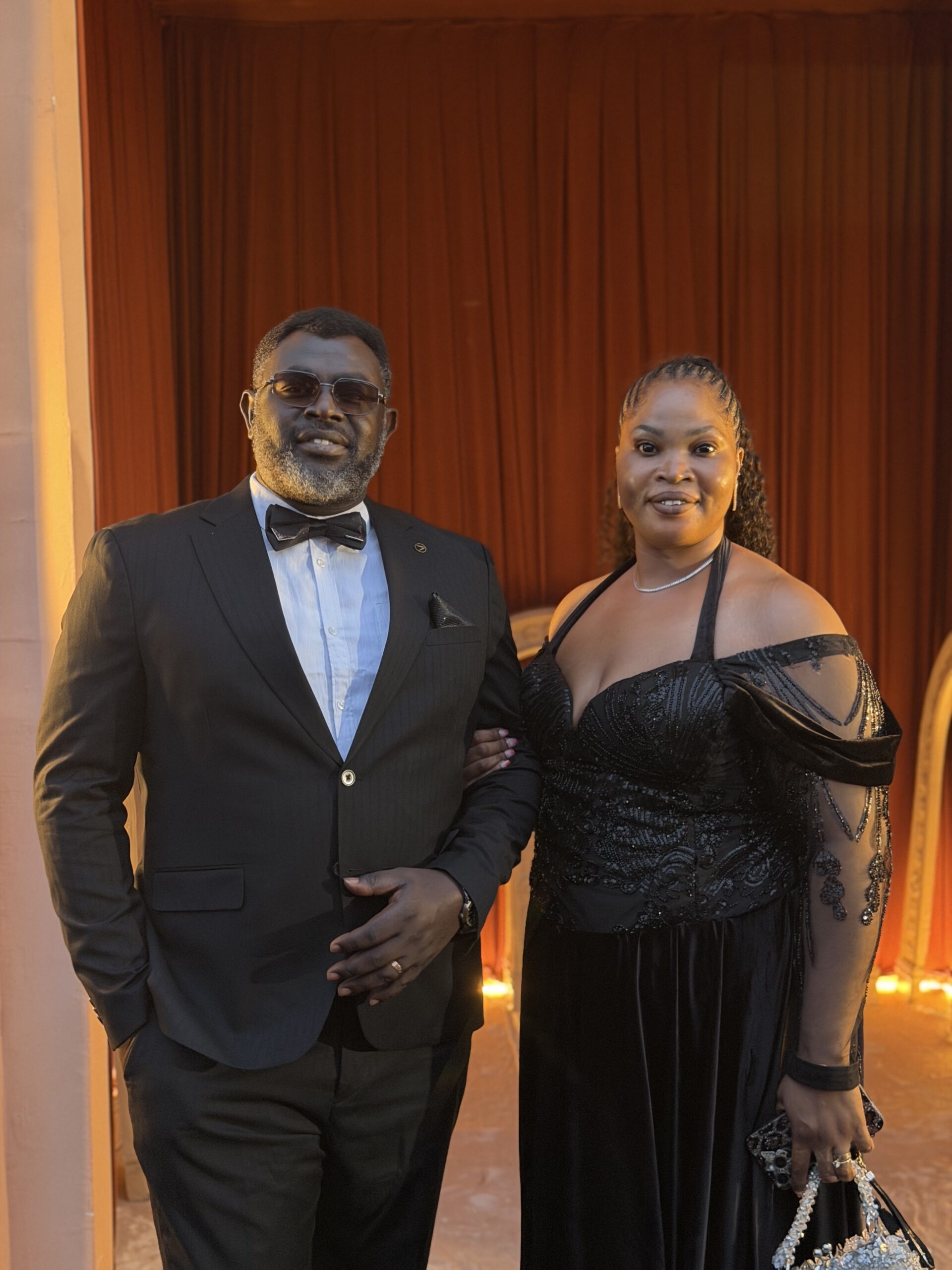
Not at all. And that’s probably one of the most interesting parts of the story. I met my wife (who’s also a makeup artist) during that time, and she was very instrumental in the initial setup and the motivations. We also clocked 10 years in marriage this year. So that should tell you all the hidden stories.
I didn’t set out thinking, “I’m going to become a beauty entrepreneur.” When I started getting deeper into the industry, I realised something very quickly: beauty doesn’t belong to one gender. It’s an industry built around people.
And I became fascinated by the psychology behind it. Makeup isn’t just makeup. A product can completely change how someone feels when they look in the mirror. It can give someone confidence before an interview, before a wedding, before stepping onto a stage, or even on an ordinary Monday morning.
My wife gave me that hack. She told me to “stop seeing yourself as a man in the women’s industry,” but rather as “an entrepreneur solving problems in an industry you had come to understand and love.”
And I think that’s been one of the biggest lessons of my journey: sometimes your purpose doesn’t arrive looking the way you imagined it.
 What’s one product that completely changed the trajectory of the brand?
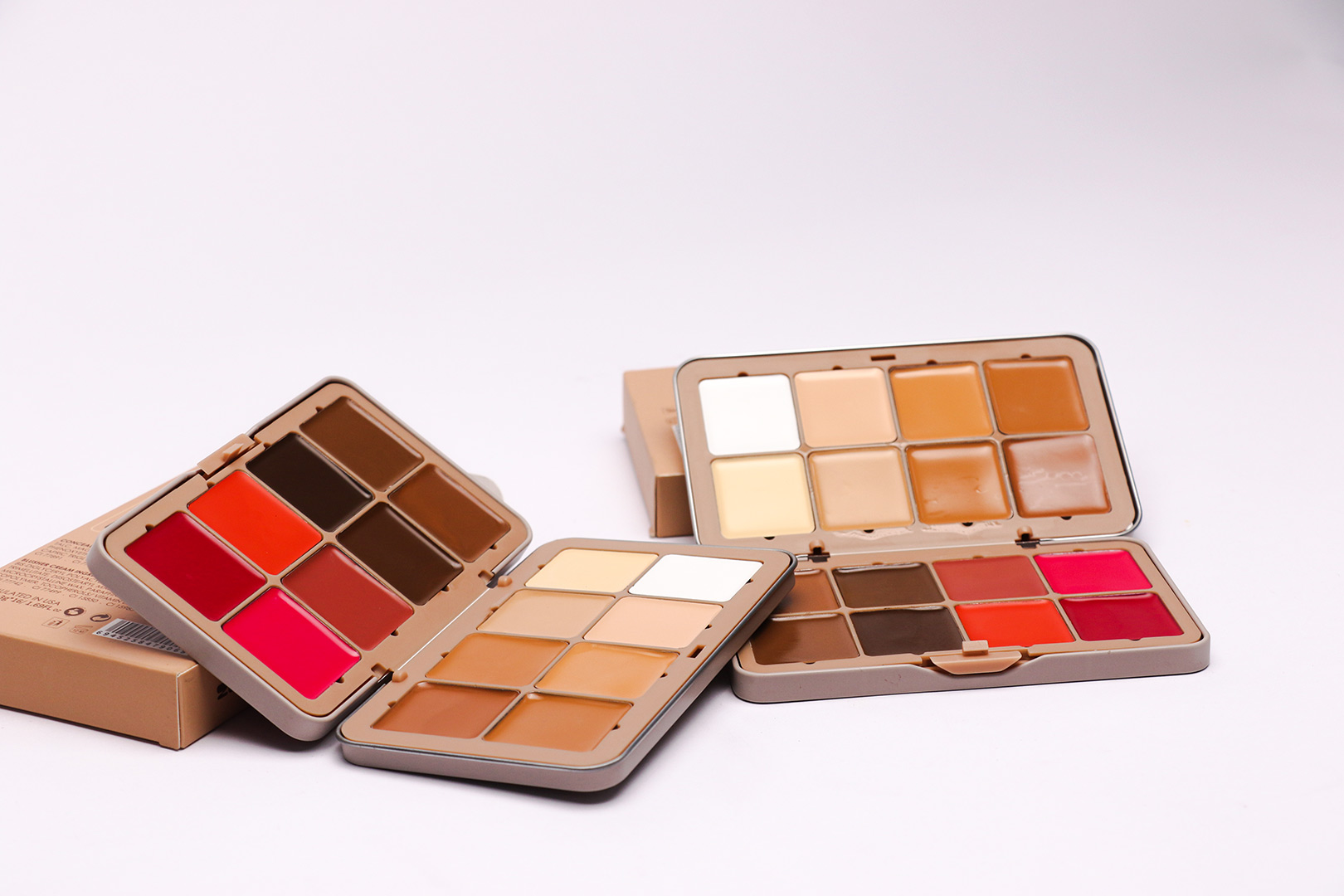
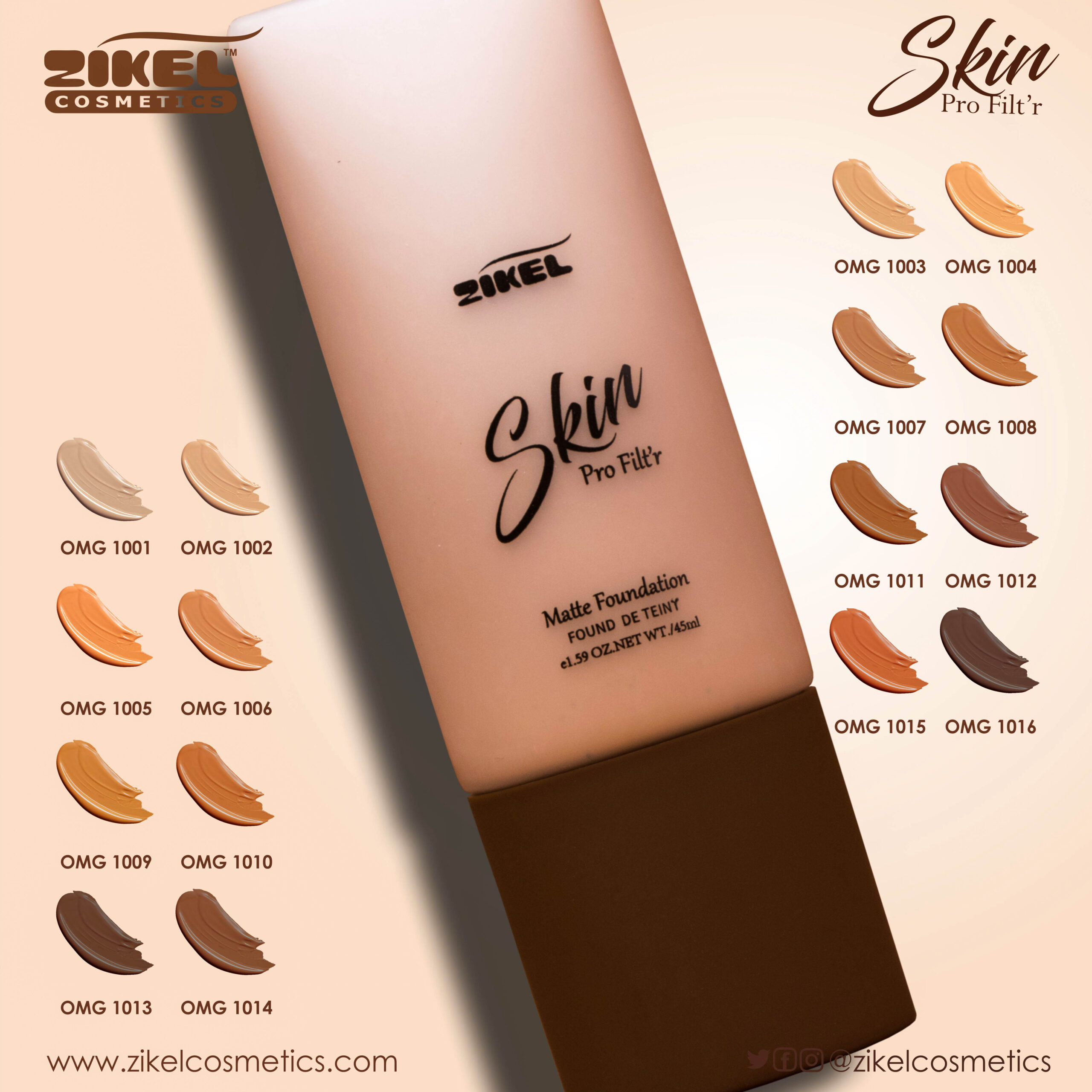
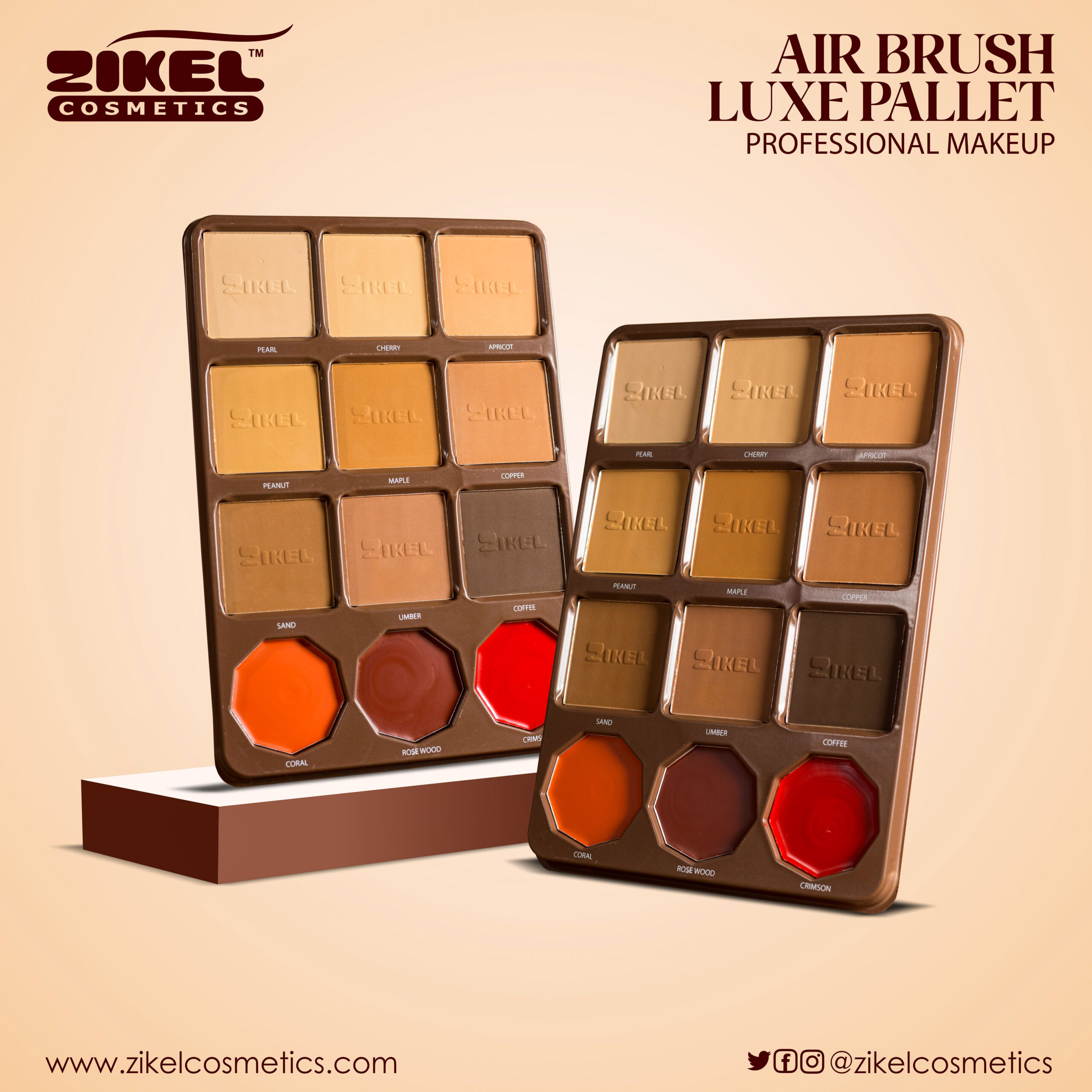
I’d say our Smooth powder palette, and more specifically, our work around complexion and helping women find affordable products that actually work for their different skin tones.
For me, complexion was always bigger than just selling makeup. It was about representation.
When you start hearing women say, “Finally, I found something that works for me,” you realise you’re not just selling a product anymore. You’re solving a very personal problem.
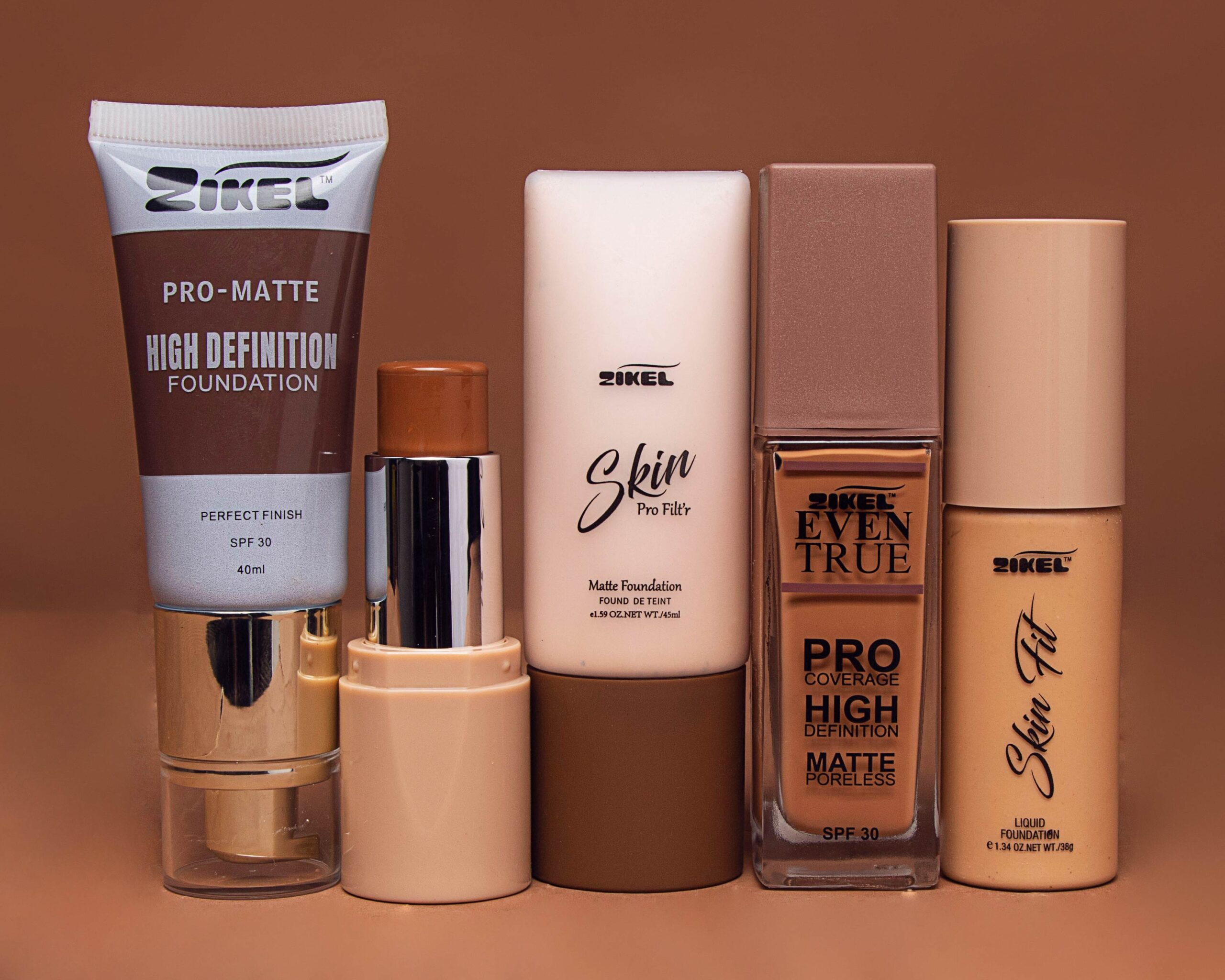
That thinking eventually pushed me to keep expanding our complexion offerings, from foundation and concealers to powders and our Skin Fit range. Today, we have products across face, lips, eyes, tools and skincare, but complexion and affordability remain an important part of our story.
You’ve spent 10 years surrounded by makeup. Be honest, can you now identify a lipstick shade faster than most women?
At this point, I have no choice! I may not be able to give you the poetic description some women will give you, “it’s a warm nude with a little brown undertone and just a hint of…”, but put the shades in front of me, and I’ll surprise you. Ten years in this business will do that to you.
I’ve also learned that what looks like a simple lipstick shade can mean completely different things to different people. That’s one of the things I love about beauty. There is always a personal story behind the colour someone chooses.
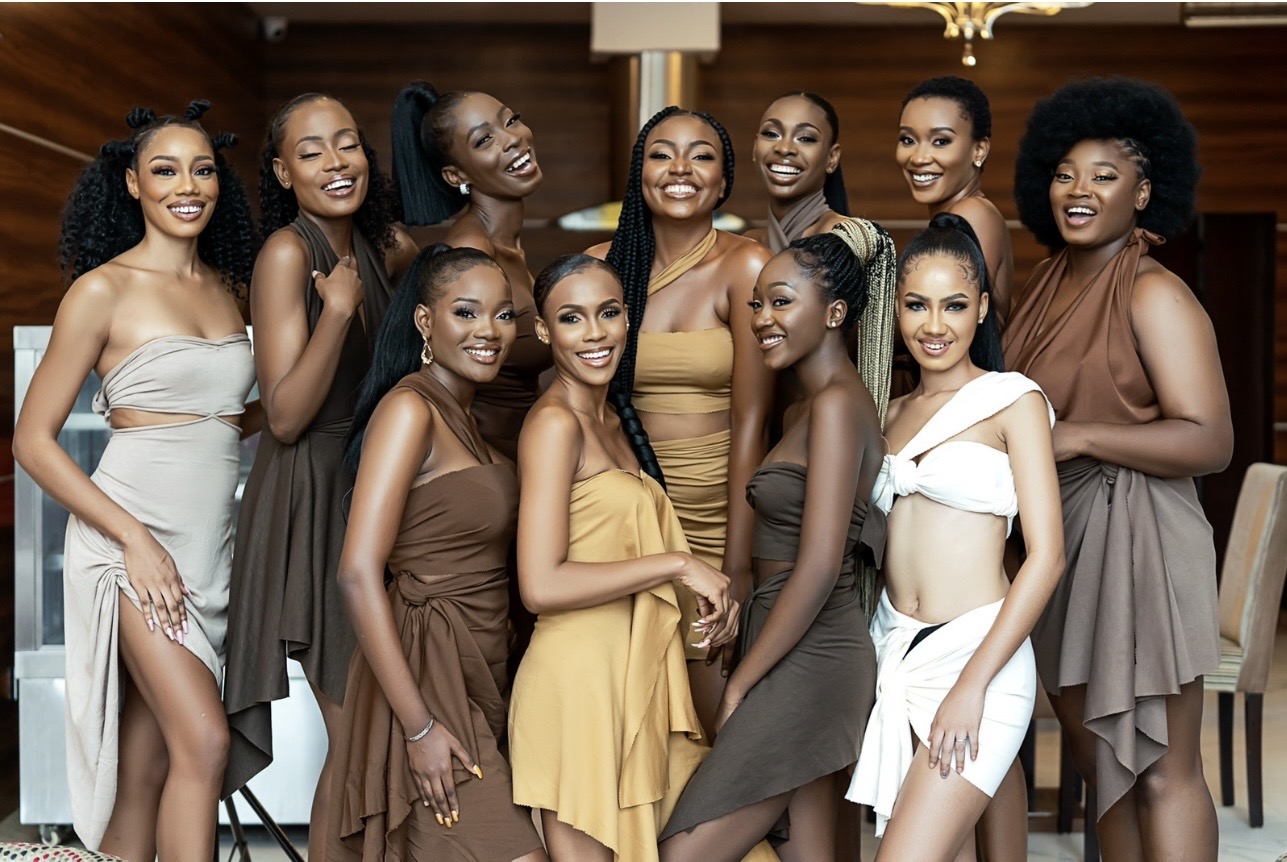 What’s the funniest or most unexpected lesson you’ve learned as a man building a beauty brand?
That “pink” is not one colour.
But seriously, one of the funniest things is how much I’ve had to learn about the language of beauty. There are conversations where someone is passionately explaining a shade, a finish, a texture or a beauty technique, and I’m thinking, “Okay, Kelvin, listen carefully. Don’t embarrass yourself.”
But beyond the funny moments, the unexpected lesson has been how deeply personal beauty is.
You see the numbers; the customer sees quality, trust and value. That taught me that building a beauty brand is about understanding people and meeting their needs.
Which Zikel launch, campaign or milestone made you stop and think, “We’ve really built something special”?
There have been several moments, but one of the biggest is simply seeing how far the Zikel ecosystem has grown. When you start, you’re excited when somebody buys your product. Then you get excited when a retailer stocks it. Then you get excited when people start asking for the brand by name.
But there’s a different feeling when you walk into a store or see Zikel being used by makeup artists, beauty creators and everyday consumers and realise, “We built this.” That hits differently.
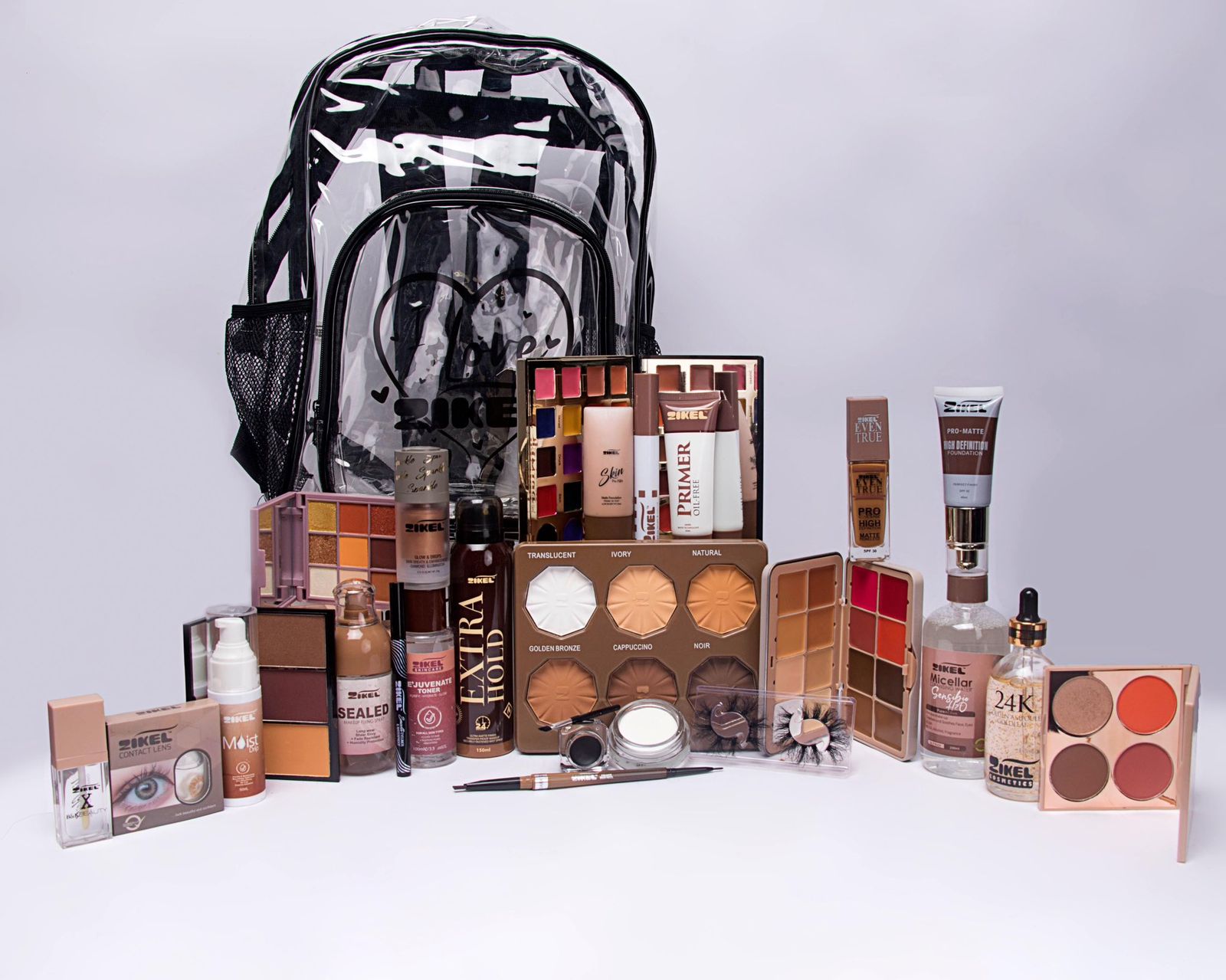
Our collaborations have also been very special to me because they showed me that Zikel could become a platform for other creatives in the beauty space, not just a company selling products.
That was a very important moment for me.
 The Nigerian beauty consumer has changed so much over the past decade. What’s one beauty trend you never saw coming?
The biggest surprise for me has been how educated and intentional the Nigerian beauty consumer has become. Ten years ago, a lot of beauty conversations were centered around, “Does it look good?”
Today, people are asking: What’s inside it? Is it good for my skin? What is the finish? How does it work? What is the science behind it? Who is it for?
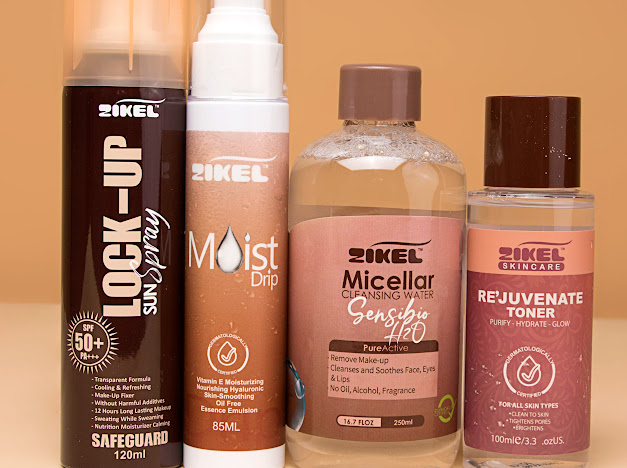
The rise of skincare culture especially caught my attention. People don’t just want to cover their skin anymore. They want to understand and take care of it. That’s one reason our expansion into skincare feels very natural. The consumer is evolving, and as a brand, you have to evolve with her.
The other major change has been the influence of social media. A customer can discover a product on her phone, watch someone use it, compare reviews, ask questions and make a purchase, all within minutes. That has completely changed how beauty brands have to communicate.
 You’ve worked with makeup, pageants, influencers and now skincare. Which chapter of the Zikel story has been the most exciting for you?
Honestly, the current chapter. The earlier chapters were exciting because everything was new. Every milestone felt enormous.
But right now, I feel like we’re finally beginning to understand the size of the opportunity in front of us.
We’ve gone from makeup to collaborations, beauty professionals, influencers, pageants and now skincare. We’ve also continued expanding our product universe—from complexion products and beauty tools to skincare and other beauty essentials. I see an opportunity to build an African beauty company that understands African consumers deeply and can compete anywhere in the world.
That’s a much bigger ambition and that excites me.
If you had to create a “10 Years of Zikel” makeup collection, what three products would absolutely have to be in it?
That’s difficult because choosing only three is almost unfair. But if I had to choose, I’d pick: Foundation. Concealer. And powder. Because for me, those three represent the heart of complexion, and complexion represents a very important part of the Zikel journey.
But I’d want the collection to mean more than simply putting three products in a box. I’d want someone to open it and understand the story. The mistakes. The breakthroughs. The customers. The makeup artists. The creators. The team. The people who took a chance on us when we were still figuring things out.
Ten years isn’t just a number. It’s a lot of faces. A lot of early mornings. A lot of difficult decisions. And a lot of people who helped Zikel become what it is today.
 Ten years down, what still excites you enough to get up every morning and keep building?
I still wake up and see things that can be better.
I see a product that can be improved. A customer we haven’t reached. A market we haven’t entered. A young person who can be given an opportunity. A new idea that could completely change how we do something.
My dream is to build something that outlives me, a company that creates opportunities, develops people, represents Africa proudly and makes beauty more accessible without compromising quality.
So, after ten years, I’m grateful. But I’m not satisfied. There’s still a lot of Zikel left to build. And that’s the part I’m most excited about.
Knowledge check
Answer 4 questions and see how you did.