
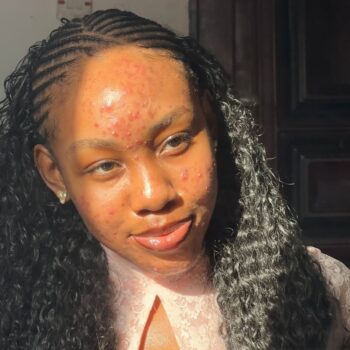
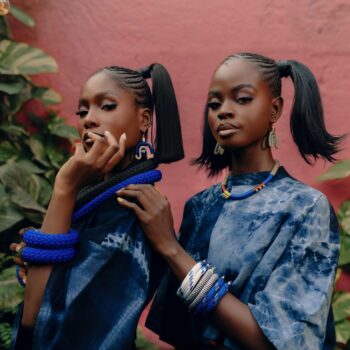
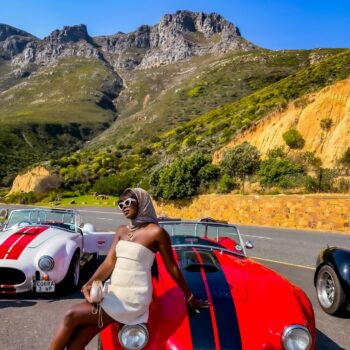
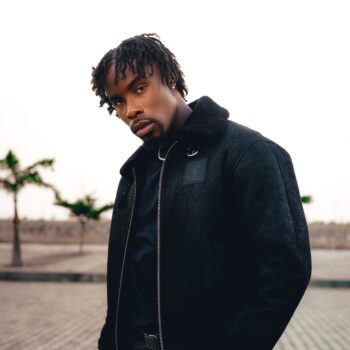
Gabriella John Nasky (Naskii) went viral for styling Tems and Dave’s “Raindance” with just 48 hours’ notice. But the career pivot that got her there started with a simple irritation: watching music videos where the outfits just didn’t make sense.
“I’d watch a music video or a film and think, ‘Why are you wearing that here?’ It didn’t blend with the environment, and it used to bother me.”
That irritation, small and persistent, was the beginning of her stylistic vision. It wasn’t until the pandemic that she decided to answer the call of the void and explore the fashion industry. The COVID-19 lockdowns made Naskii seriously consider fashion as more than an interest. The global pause forced a reckoning. Life, as she had known it, felt unsustainable.
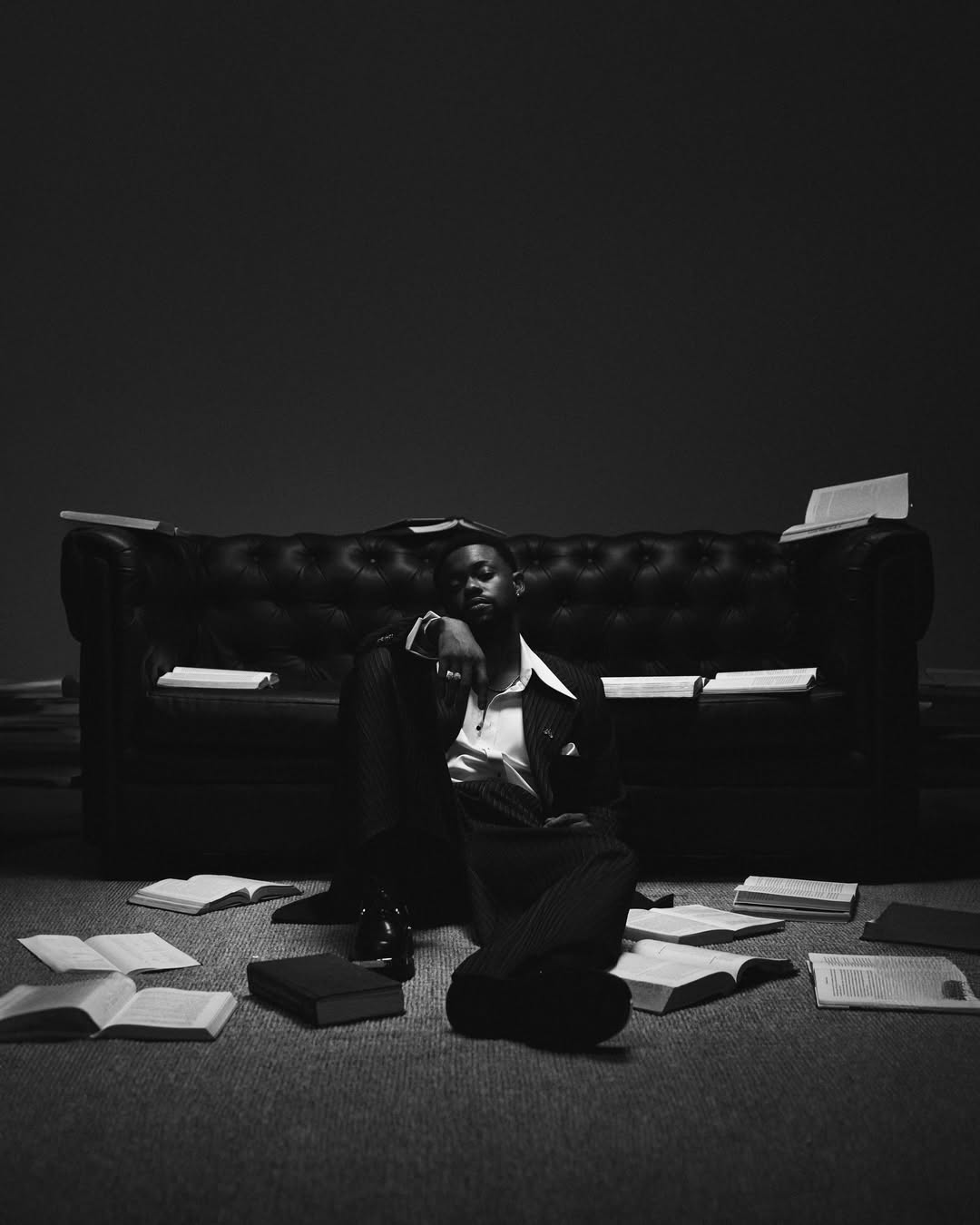
“I wasn’t happy. But I never really wrote in my journal that this was what I wanted to do at a certain age. After lockdown, life was showing me what it really does, and I found myself searching for purpose. I needed something that felt truly mine, something that came from my own hands and my own mind. I wanted work that, even though it would be hard, would still feel fulfilling.”
Like many young Nigerians, she grew up within a system that prized academic excellence and professional stability above all else. In school, she studied science-focused subjects and pursued a medical course. The “serious stuff,” as she calls it. When I ask what she would be doing if not styling music videos, she pauses.
“I have no idea. I used to dance and once wanted to dance for Beyoncé. I had been in medical school, but hated it and left because I was depressed. I must be meant for the creative scene.”
The Accidental Beginning
What followed was a dramatic career pivot that began with a series of experiments. She began trying her hand at styling, taking on small sets, learning on the job, and navigating chaos without a blueprint. Her first experience was with an upcoming artist. The experience was unpolished, hectic, and overwhelming, as she recalls. But something clicked.
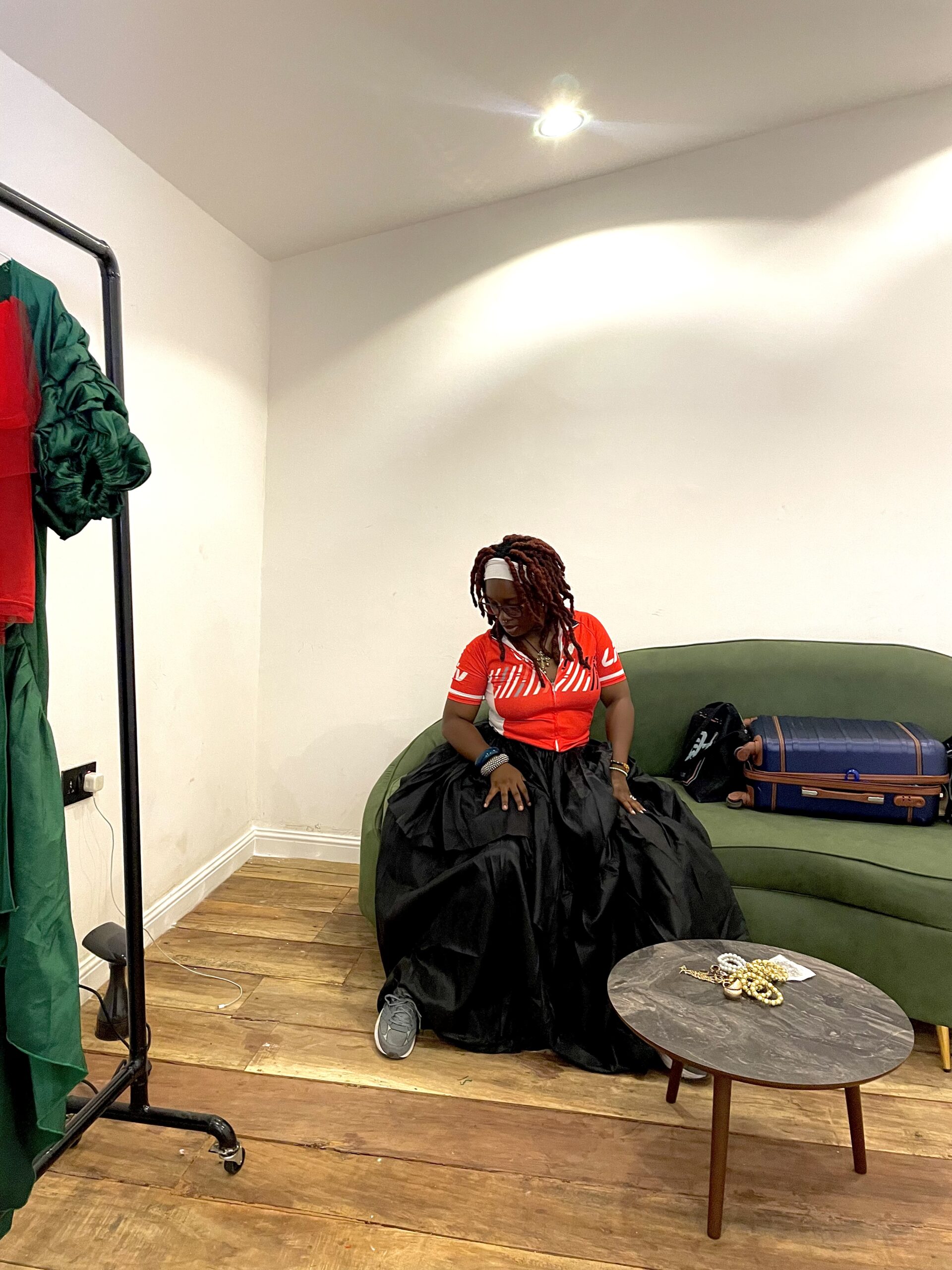
Her full entry into the industry was indirectly influenced by her brother, a director, who often faced stress due to disorganized stylists. When she offered to help, he was hesitant.
“He didn’t even trust me at that time because obviously you don’t want to give your money to someone to do something just because they are your sibling. People are paying a lot of money, they are putting a lot of trust in you. The difference between a lot of people that talk online and people that actually do this job is the execution. It’s very, very, very easy to say you can do something. It’s very, very easy to criticize.”
Her first major set came in 2022: a music video for Mohbad titled “Backside.” Naskii styled the lead vixen and dancers, juggling multiple looks under pressure. The video didn’t explode commercially, but for her, it was an inflection point.
“To date, when I look back, the outfits still look in vogue. They still look good. That video was almost four years ago. It’s still something that is catchy, that is in vogue. I don’t want to be cringed out after I do a look for a model, for a client, for an artist, whoever. I want it to be something that when you look back, you will be like, oh yeah, this is still so good.”
Naskii describes her creative process as “very chaotic,” shaped by the compressed timelines that define the Nigerian music industry. She’s often given just a few hours to develop mood boards after receiving a song and a few reference images.
“Sometimes I’m given a few hours to come up with ideas. A client can just send me a song and send me a picture or the Instagram of what the artist looks like or what the song is supposed to look like, and I’m supposed to come up with my own style direction from that.”
The most satisfying part of her work, she says, isn’t the glamour of being on set. It’s the part where she assembles the vision into a mood board.
“I always say I don’t have the most fun on set. Set is the most stressful part of styling for me. It’s the part where I have to put the looks together in a mood board, when I have to bring the idea together and say, okay, this is what works for this scene. That’s really the best part for me. Set is just long and exhausting. You do certain things over and over again. These videos that people watch; a five-minute clip, four-minute clip can take hours and hours to shoot.”
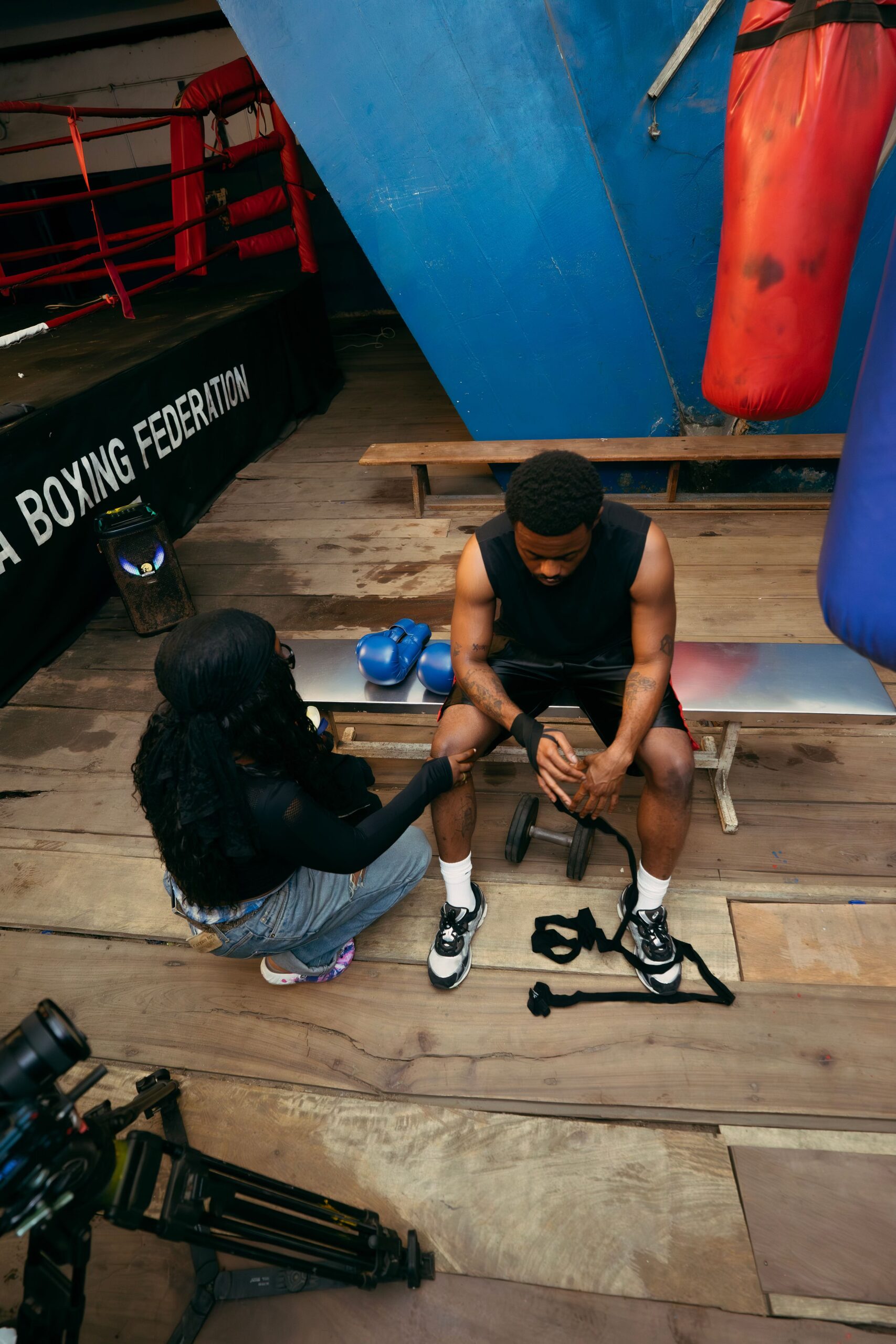
To the untrained eye, her mood boards are just collections of pretty images. But to the esoteric observer, they’re research documents, pulling from different eras and aesthetics, mixing and matching until something syncs. She relies on quick pattern recognition and cultural literacy built from growing up in a music-loving household.
“I grew up in a household where we like music a lot. My mom has a number of sisters and we’re a close-knit extended family. We just used to play music, put each other on. I was having opportunity to go through different generations of music, basically.”
48 Hours to Raindance
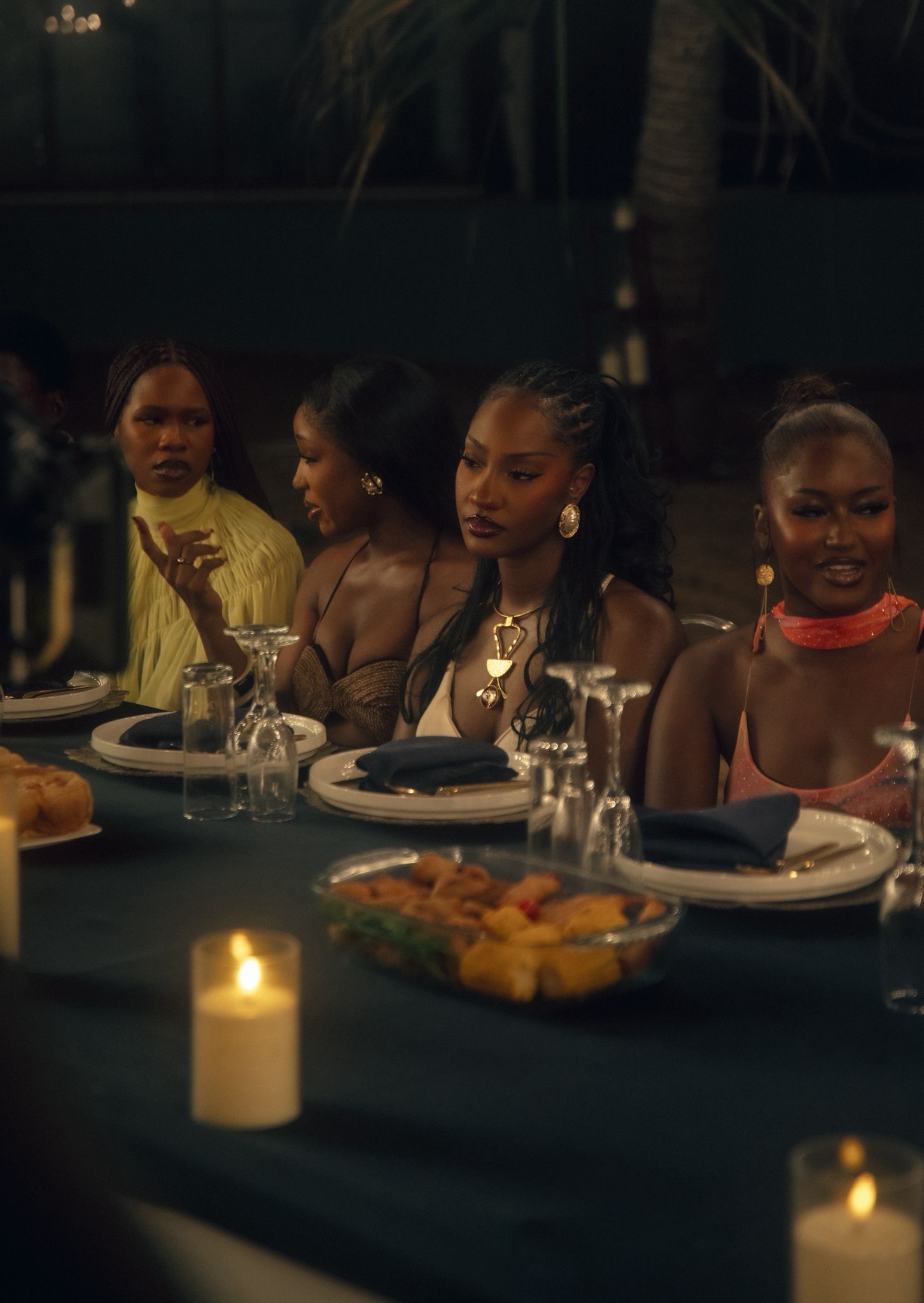
Naskii earned internet darling status by playing a key role in the visuals for the hit song by Dave featuring Tems, “Raindance.” With looks from Tia Adeola, Sonma, Seta The Label, Lisa Folawiyo, Unrefyned, and Orírẹ́, the video might read as her at the top of her game. But the execution was anything but smooth.
View this post on Instagram
“We had 48 hours or less, really, which is insane. I’ve never had to shoot anything that fast with a cast team of 30—15 male models, 15 female models. I got the call at 1 p.m. on Friday and we had to shoot on Monday.”
The funding for the shoot didn’t arrive until Saturday midday. When Naskii says they really had 48 hours, she means it. The directive from Dave, who was co-directing, was deceptively simple: nothing crazy, some African tones and blends, but keep it chic.
“Dave is a simple guy. The brief was that you need to be able to tell that, oh, yeah, this is Nigerian-owned type of vibe, like African. We started really getting everything together, reaching out to brands, sending emails, pulling calls through. It was a lot. Some people weren’t able to work with them because they prefer for the main actors, the owner of the song, to represent their brand. Some of them we pulled that morning of the shoot.”
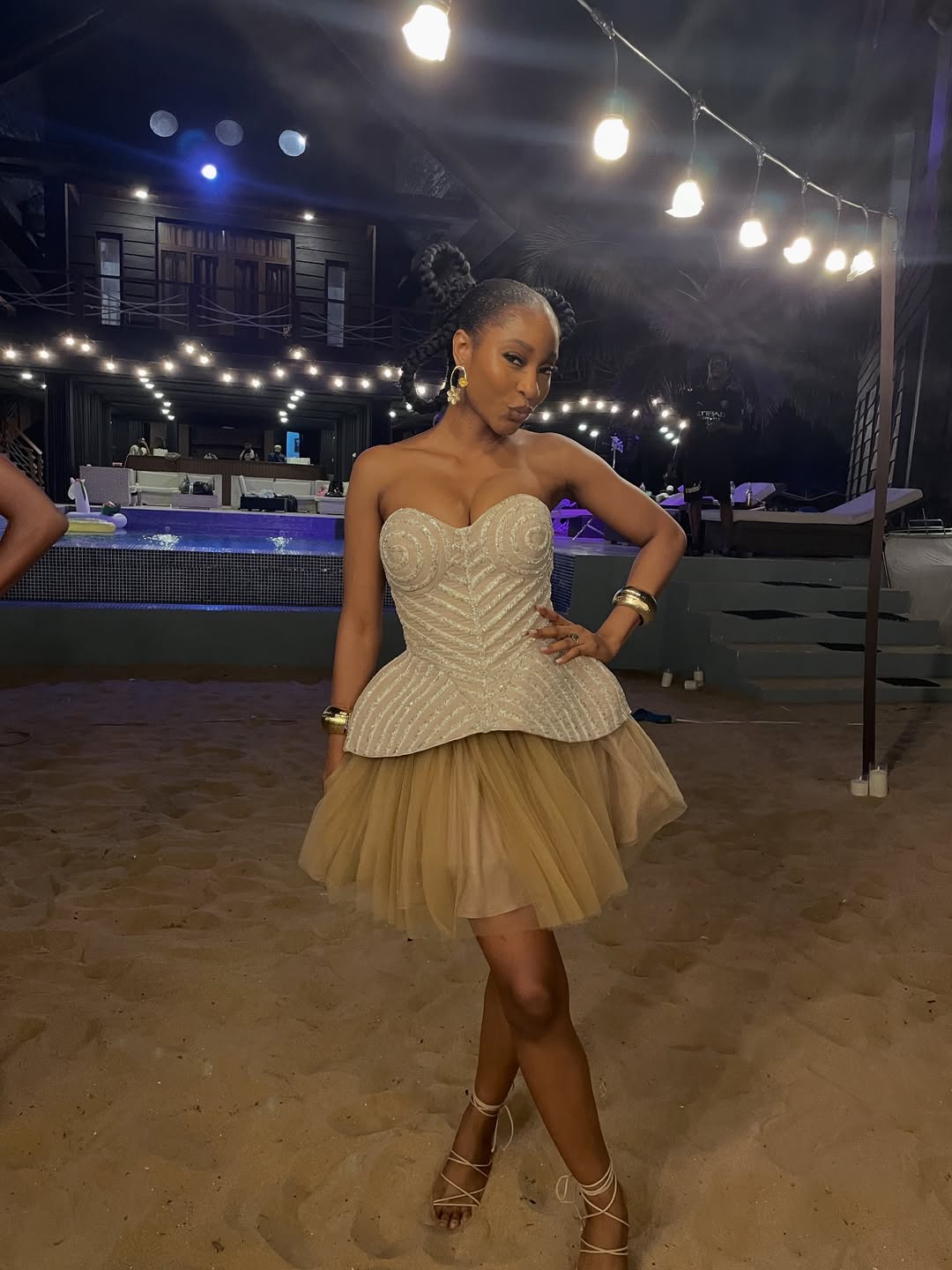
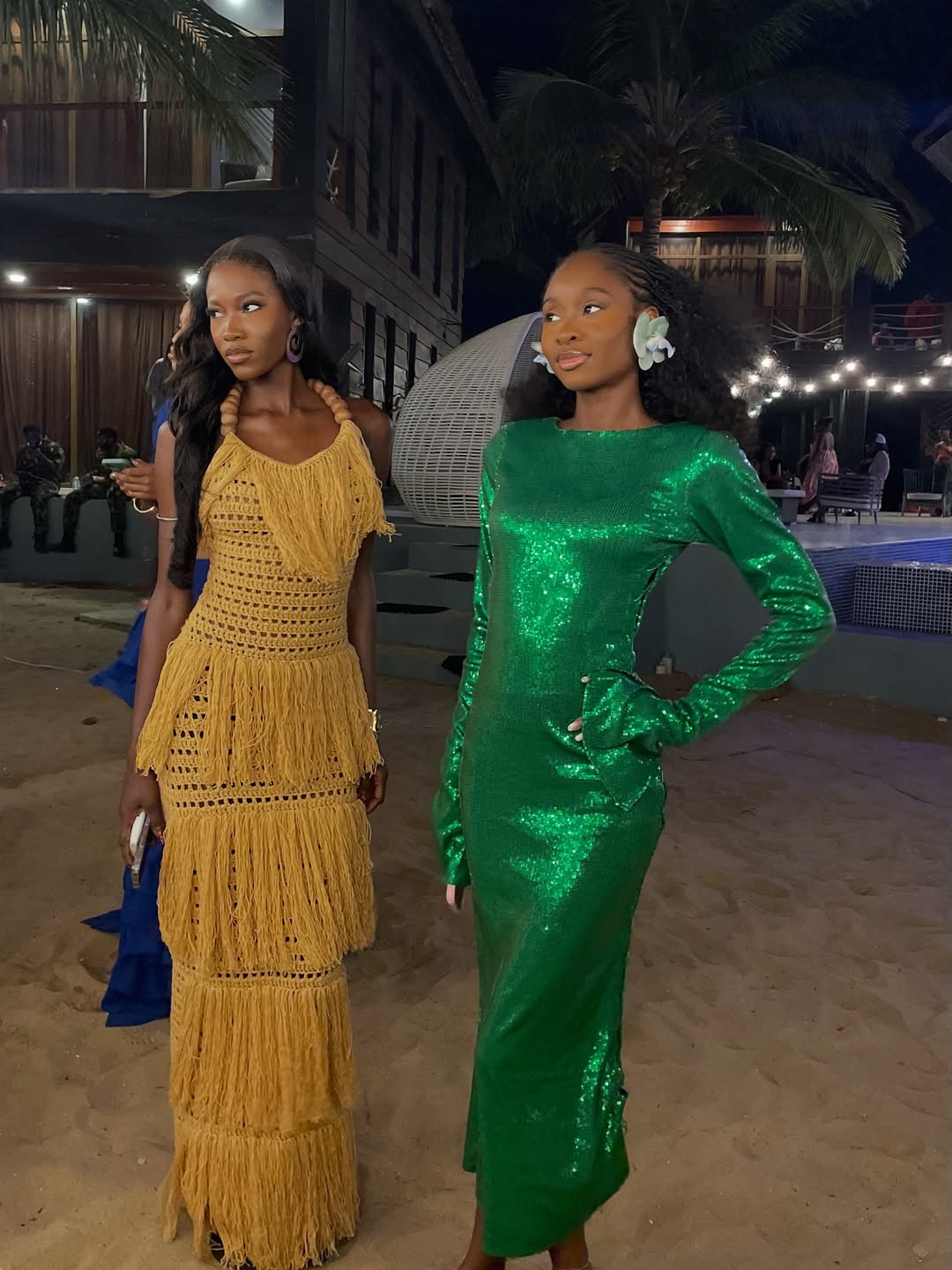
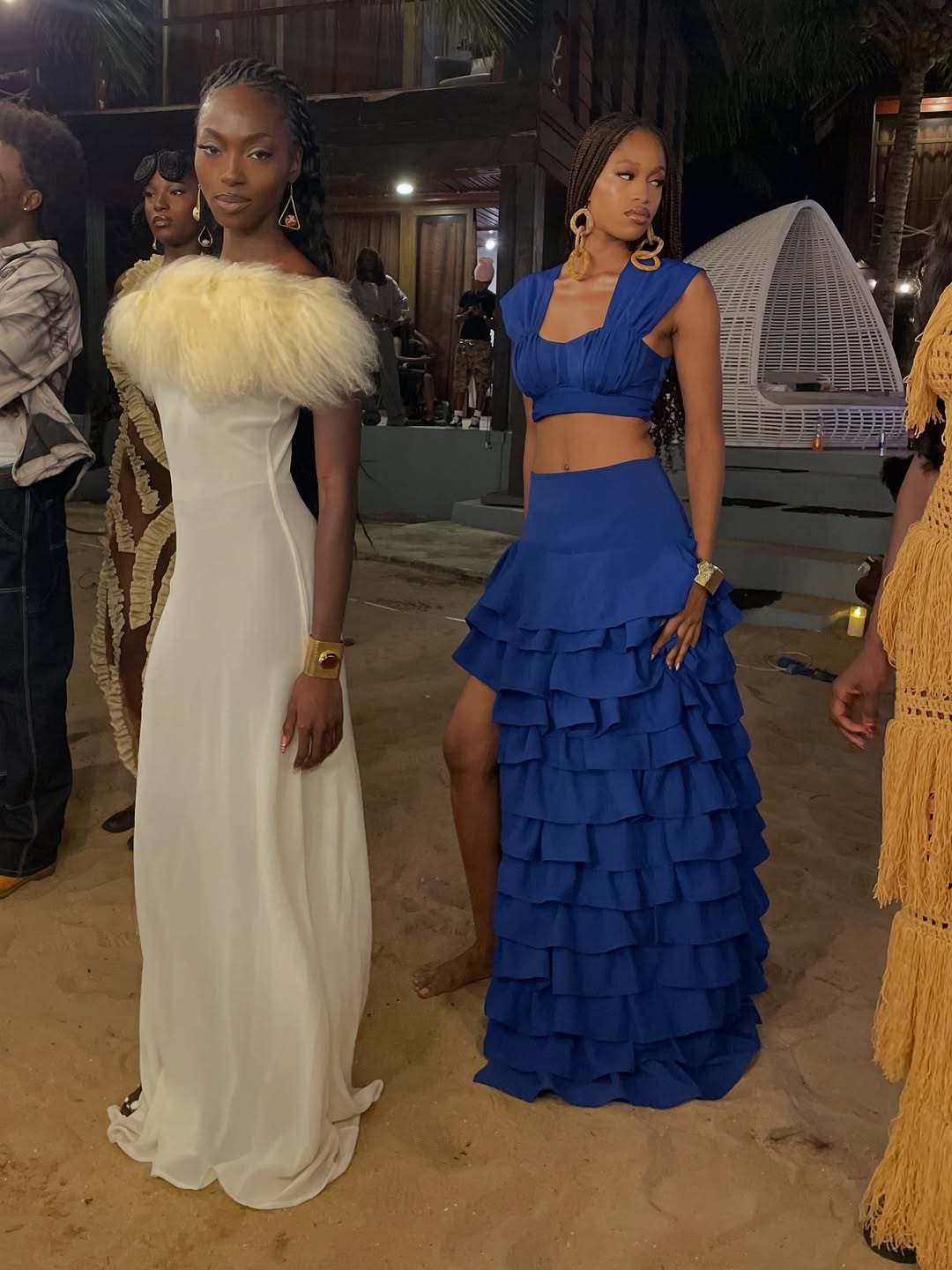
Despite being the artist, Dave was equally hands-on behind the scenes, and so was Tems. The Grammy Award-winning artist is renowned as much for her style as for her music.
“Dave had to give a go-ahead for most of the things we wanted to do and also Tems. A lot of things had to go through Tems, too. She had to approve of the style and everything.”
The Sexy Matters Philosophy
When asked about her aesthetic philosophy, Naskii hesitates to claim a distinct niche, as fashion is regurgitated. Instead of chasing novelty, she wants to focus on feeling.
“I like women to look comfortable, beautiful, bold, and sexy. Sexy matters to me.”
It’s true, her work carries a consistent sensuality, but never at the expense of ease. There is always movement. Breath. Intention. It’s an aesthetic that respects the body. But maintaining that philosophy in an industry that prioritizes shock value over coherence isn’t always easy. She’s often pushed to compromise.
“I like sexy, but for both men and women, honestly. Everybody should feel beautiful, gorgeous, sexy, whatever size, body shape, age. But I’ve had situations where, when I’m working on a music video and the director says, ‘Yeah, yeah, yeah, that’s played out. I want them to look crazy here.’ All I can do is make it better. If my director wants crazy instead of sexy or exposed, I just take the idea and build it into something that is like, wow.”
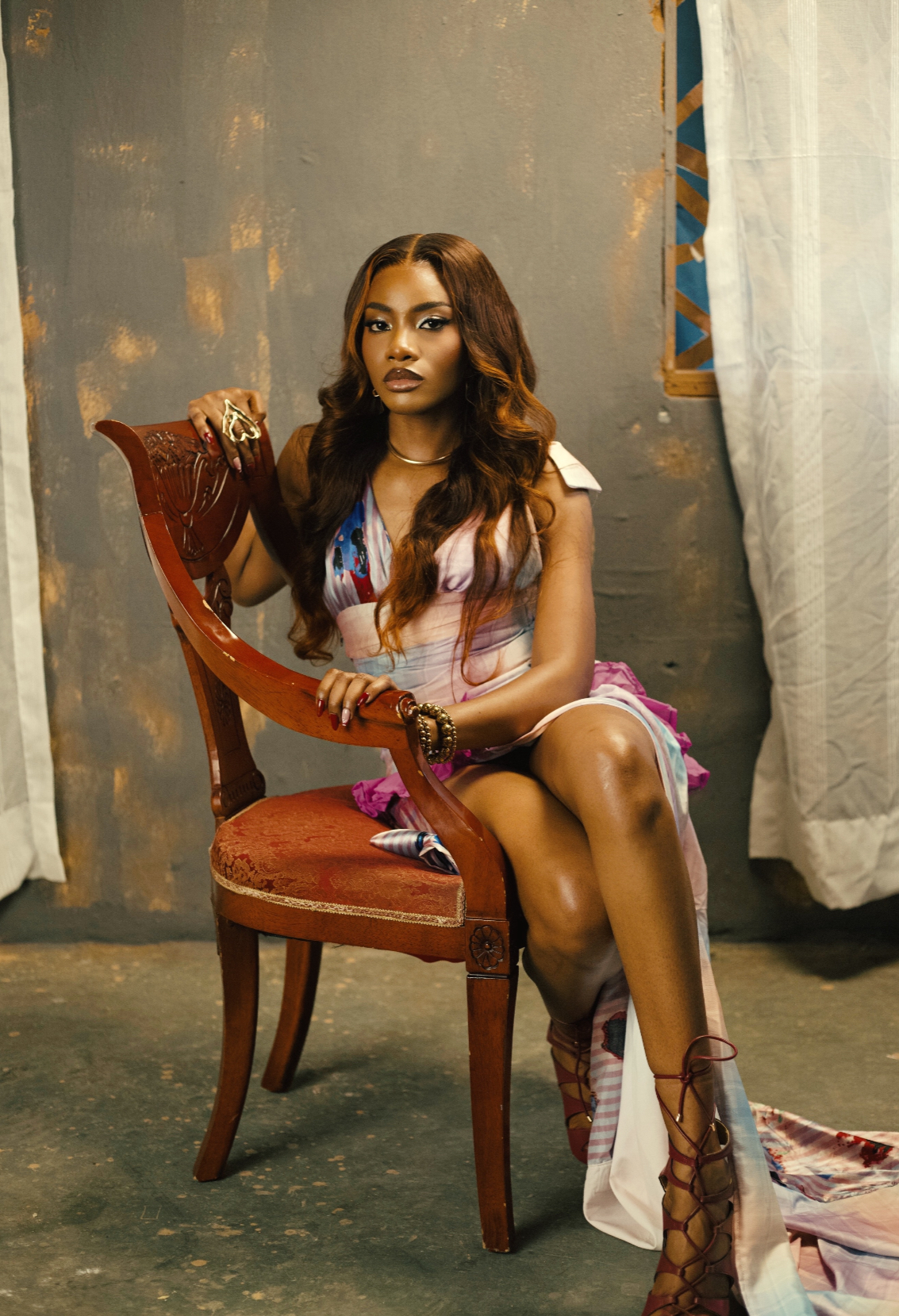
She’s also learned to navigate the tension between labels and artists, particularly when an artist’s personal comfort conflicts with their brand’s image. Naskii is candid about the difficulties of having multiple decision-makers on a project.
“As I always say, too much ingredients spoil the soup. We have to find a middle ground. As much as you have an idea, you have to let me do my job. So, like, I try to really merge the energies. You know, I find a middle ground with what everybody wants.”
Building a Body of Work
Today, Naskii has styled music videos for artists like Tems, Odumodu, SGawd, Lojay, and Mohbad. She is the personal stylist for R&B singer Amaeya and has worked with Ashley Okoli.
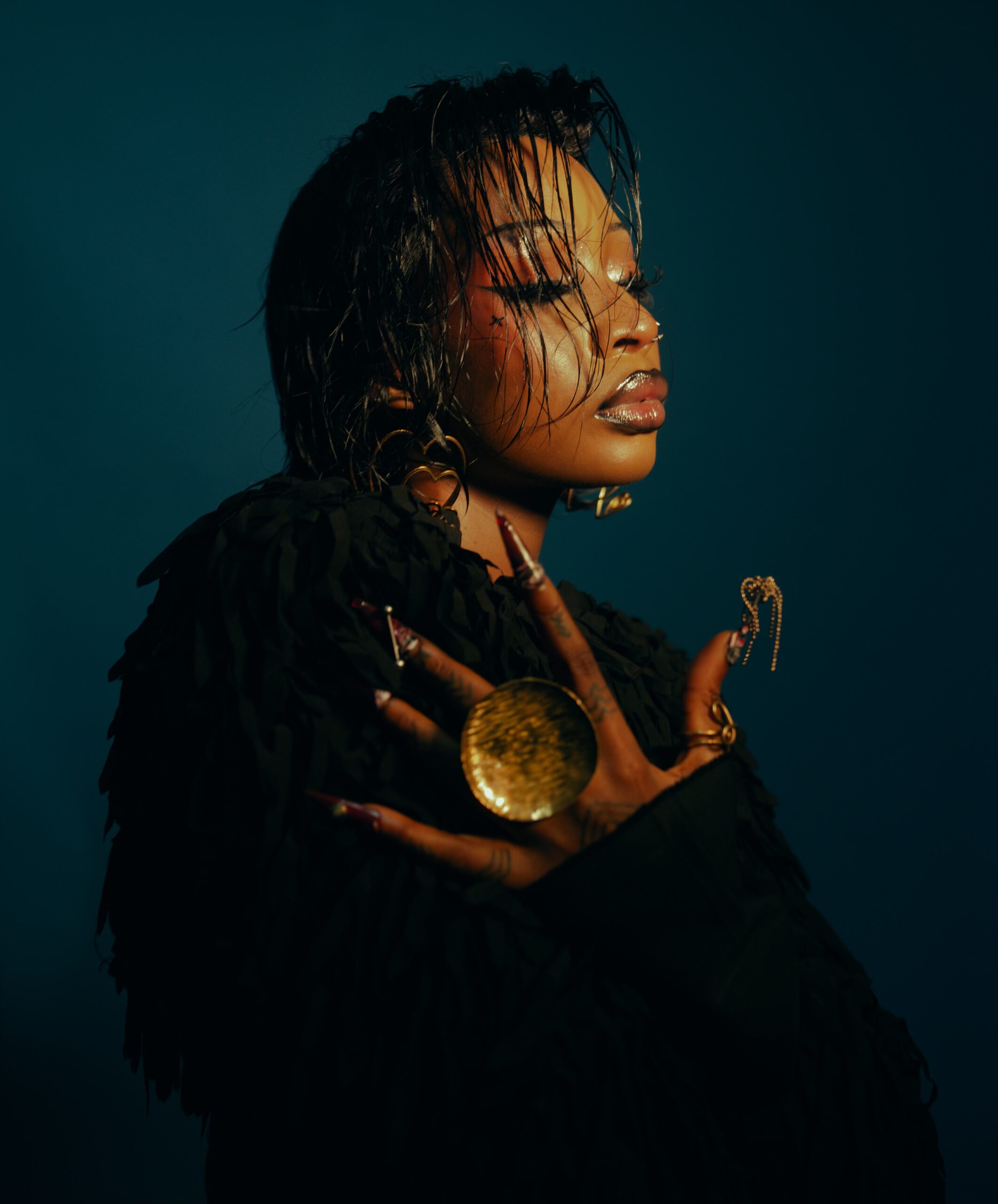
“I am most proud of my work with Amaeya. I have been her stylist since her first EP. That really centered me in styling. It made things feel real.”
Among her favorite projects is a Trace Live performance in 2024, where she styled dancers in looks inspired by Fela Kuti’s legacy.
“Fela Kuti is a huge part of the Nigerian entertainment industry, and I loved having to do that. The work was cultural, physical, and demanding; it was everything I enjoy,” Nasky recalls.
In the same year, she collaborated widely across fashion editorials and music visuals, including viral shoots with Aduke Shitta-Bey, and assisted on Bella Shmurda’s cover project. More recently, she styled Ashley Okoli and worked on projects connected to GTCO Fashion Weekend and Lojay, some of which are yet to be released.
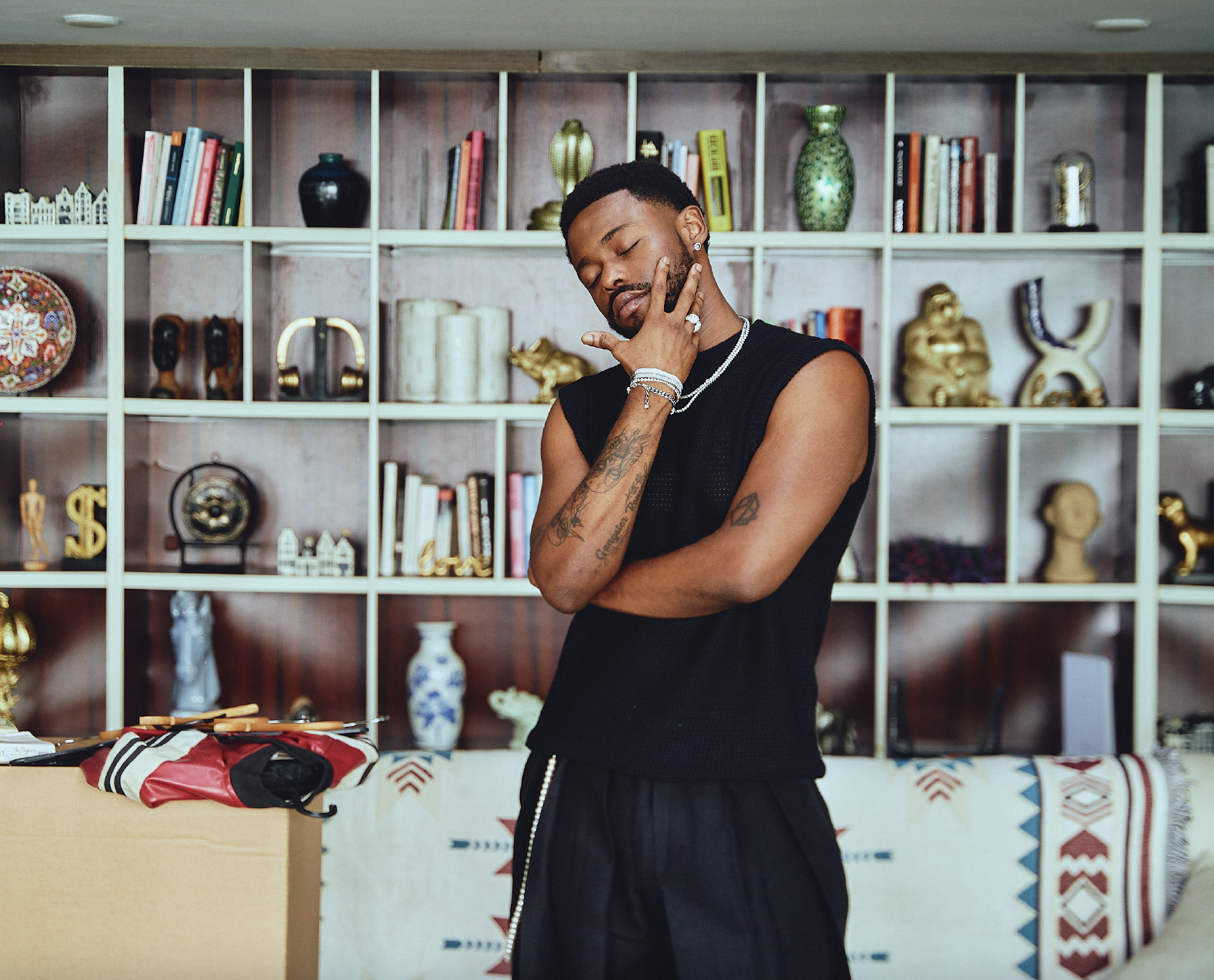
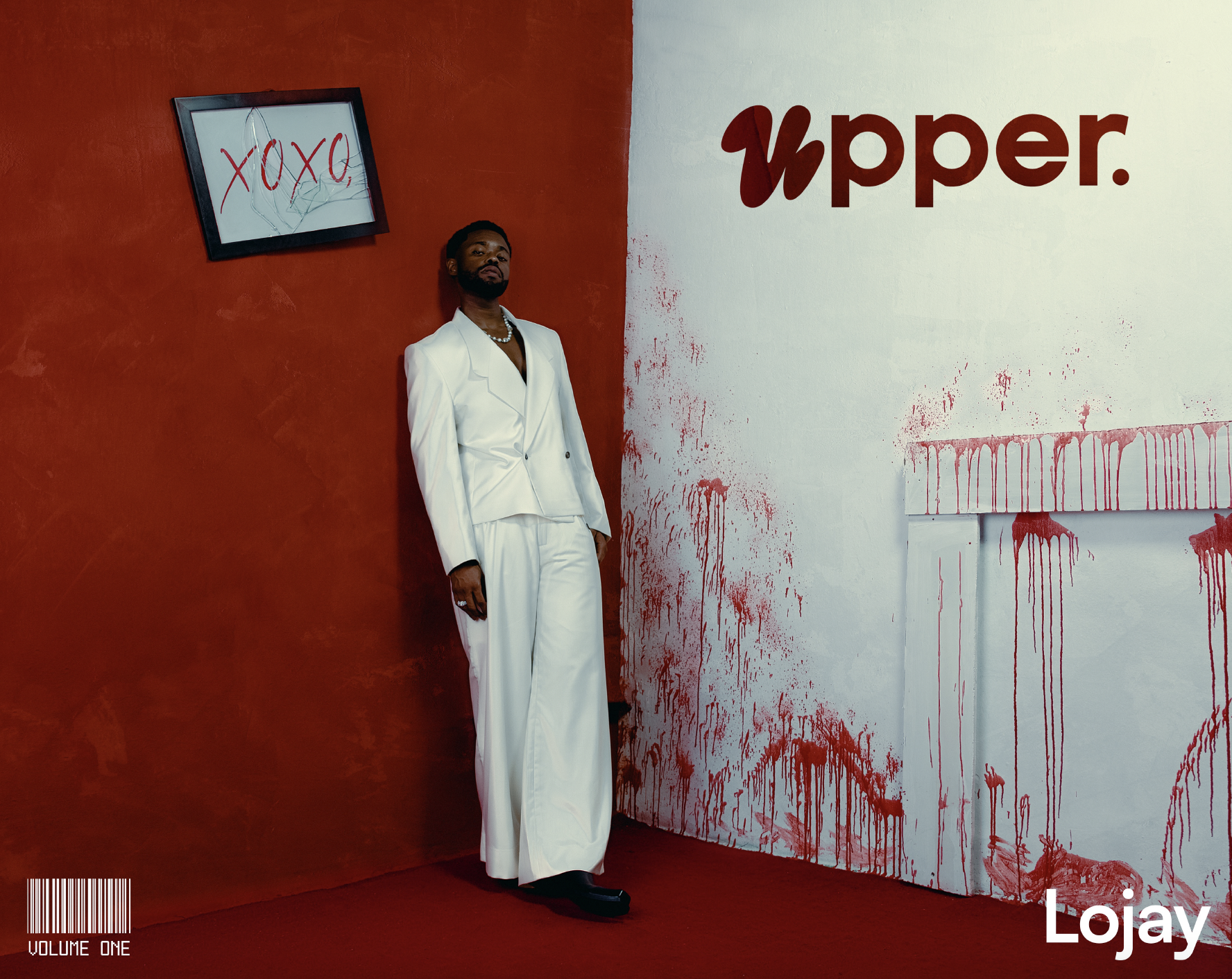 Lojay styled by Naskii
Navigating the Nigerian Fashion Ecosystem
The realities of working in Nigeria’s fashion industry mean constant improvisation. Tight deadlines, limited budgets, and a market that doesn’t always have what she needs force creative problem-solving.After Raindance went viral, Nasky received numerous inquiries. Her response was consistent:
“You cannot have Raindance without the Raindance budget. The outfits look good, but please, we paid good money for it. It did not just happen.”
The logistics of pulling and renting from designers are complex. Many designers have strict policies about who can borrow their pieces, often preferring to work directly with celebrities rather than stylists.
“For pulling and rentals, many designers have policies and criteria, often charging a percentage, and they assess the stylist’s brand or the client being shot to ensure their clothing is represented appropriately. Some brands only rent to celebrities and influencers not stylists, but I understand the high cost of manufacturing justifies some of the brands’ rules.”
The limitations of the Nigerian fashion market also mean certain aesthetic visions require custom creation or importing pieces, both of which are challenging given the tight timelines.
“Certain looks, like ‘Lady Gaga style,’ often require custom making or flying items in, which is challenging given the tight deadlines, sometimes as short as a single day. Imported items take too long to arrive. Being a stylist, especially when custom-making, is a full job.”
The Toolkit
When I ask Naskii about the essential items she always keeps in her bag on set, she doesn’t miss a beat
“Safety pins have saved sets multiple times.”
Her kit includes a measuring tape, pins, tape, chewing gum, power banks, and a small toolkit containing needles with thread, super glue, and more tape. But the most indispensable tool?
“The steamer is the most reliable equipment for a stylist. It often saves me and others on set.”
What’s Next
Naskii is developing more structure as she goes, though she never wants to be rigid. She knows the next step is to form a distinct niche, but she’s not rushing to define it.
Her dream project?
“To work with Beyoncé before she retires. It would provide necessary validation.”
She also aspires to work with sports apparel brands like Adidas, Nike, and Puma on contemporary style campaigns. She’s looking forward to her first movie project and more editorials, prioritizing projects that feel “fun” and remain valid over time.
With each project, she feels more grounded in her abilities.
“I’m battle-tested. I feel more grounded with each project. I want to be fully ready before taking on a major opportunity.”
Before we end our call, I ask her about the group chat test—who does she send final visuals to for feedback? She mentions her younger sister for fresh eyes, and to ensure the mood board’s ideas are in sync and understandable.
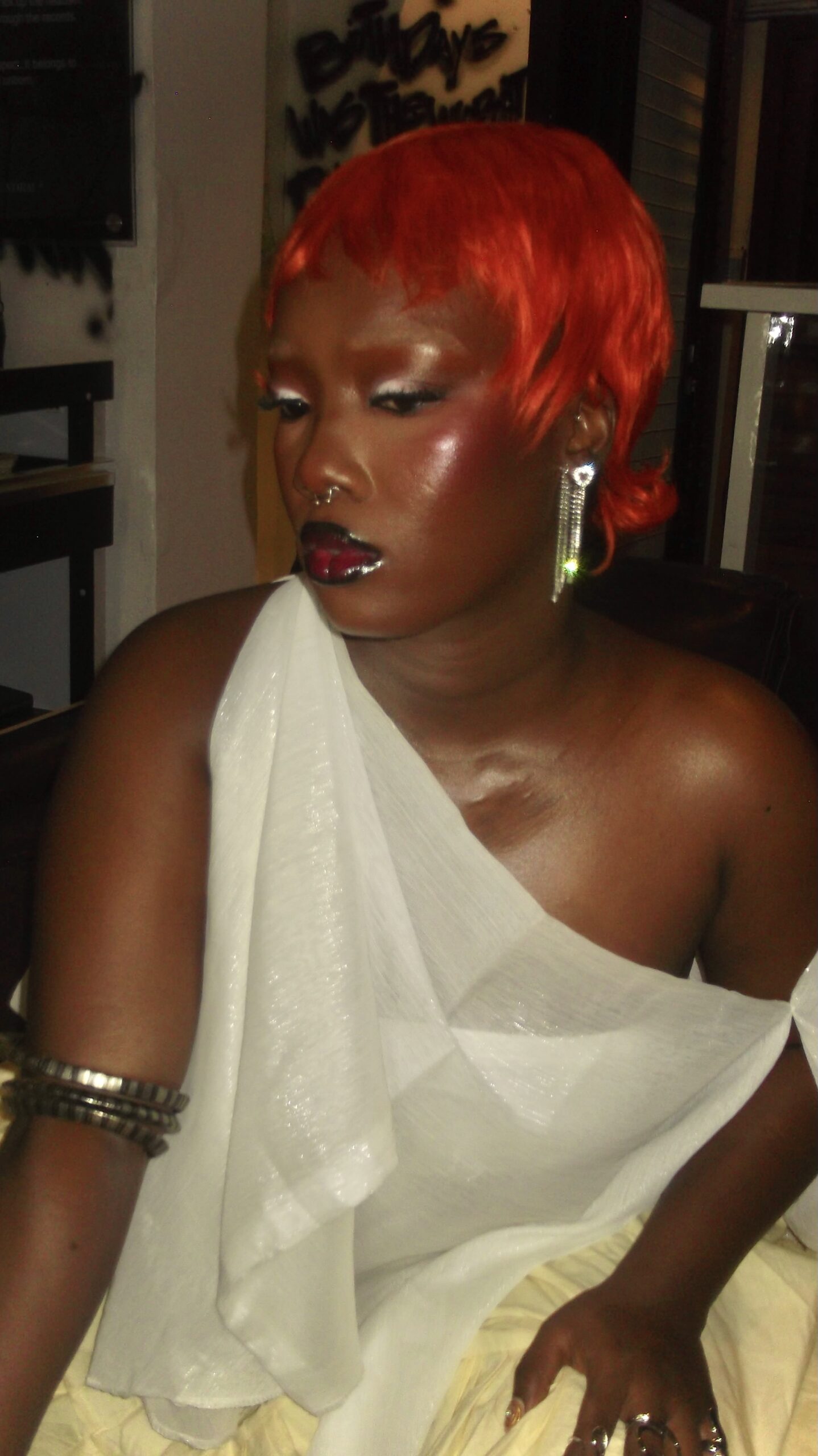
But there’s one thing she’s still working on: finding the right word for what she does. When I point out the irony that she’s being featured in a series called “Stylists Speak” but doesn’t like the word stylist, she laughs.
“I don’t know. It’s just a me thing. It’s what I do. I just don’t like the word stylist, wardrobe stylist, fashion stylist. Image consultant is corny to me. I mean, it’s the most popular and most used word to describe someone who styles people. So I can’t say it’s a bad word. I just… yeah.”
For now, the industry will keep calling her a stylist. But Gabriella John Nasky is already proving she’s something more. She is someone who understands that great styling isn’t about the clothes themselves, but about creating images that feel right, that breathe, that last. Someone who knows that the best work happens not on set, but in those chaotic hours before, when she’s assembling a vision from fragments of different eras, different aesthetics, different possibilities.
And if that takes 48 hours and a steamer? So be it.