


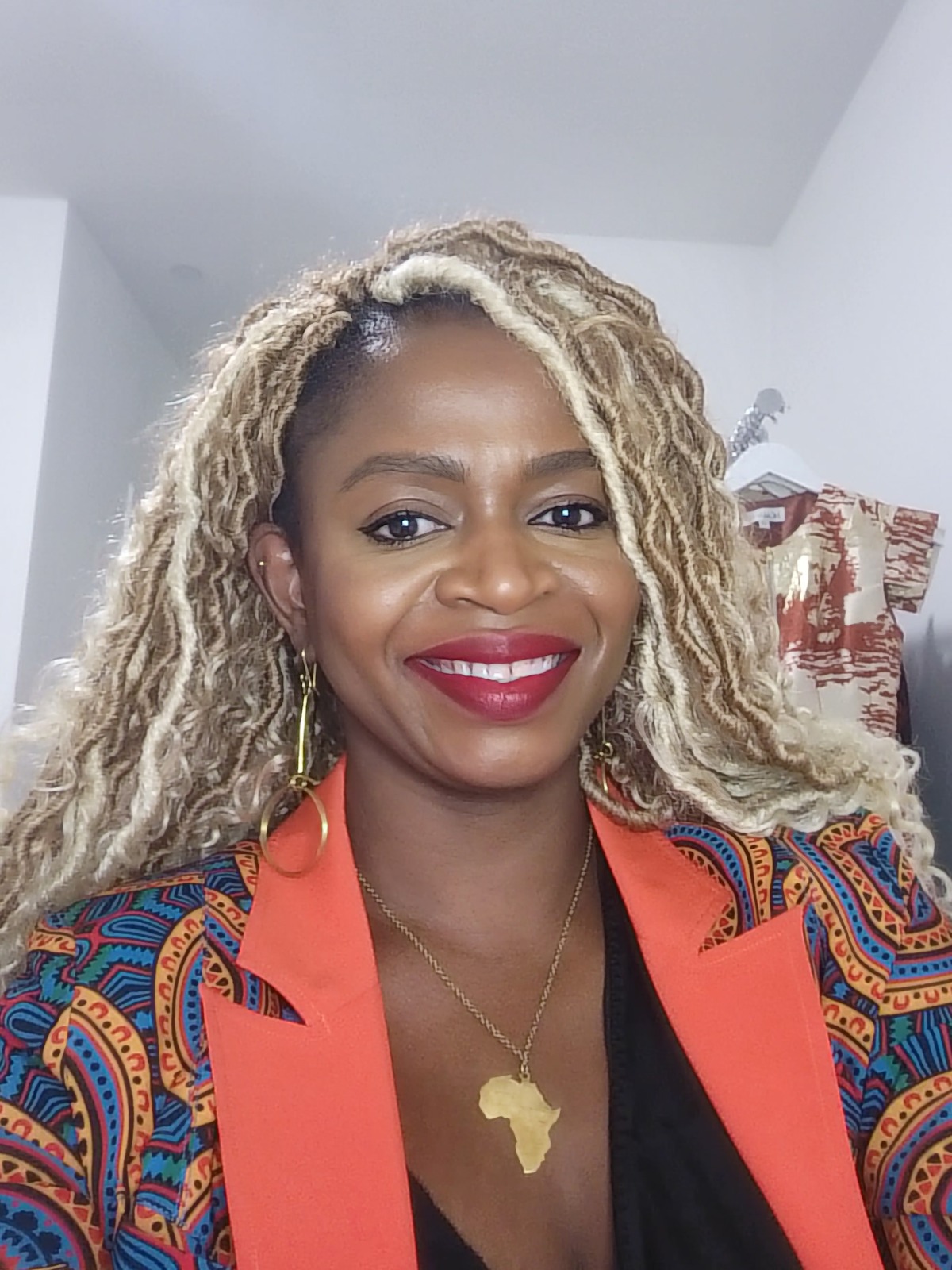
Hi BellaStylistas, Connie Aluoch here!
Last week was an exciting one. I had the opportunity to attend a series of incredible events during the 80th edition of the United Nations General Assembly (#UNGA80) in New York, and I got to speak at a powerful session titled Africa’s Fashion Future.
The energy was unmatched! Global heads of state, business leaders, creatives, and changemakers from all corners of the world gathered for this landmark 80th edition of the United Nations General Assembly. While the week was packed with high-level conversations, one of the most inspiring themes was clear: Africa’s creative economy isn’t “emerging” anymore, it’s arrived, and it’s thriving.
From fashion and film to music and the visual arts, African creatives are making waves, shifting narratives, and shaping the future. I’ve pulled together a quick recap of my experience, the key conversations, and why the world is finally catching up to what we’ve always known, Africa is the moment.
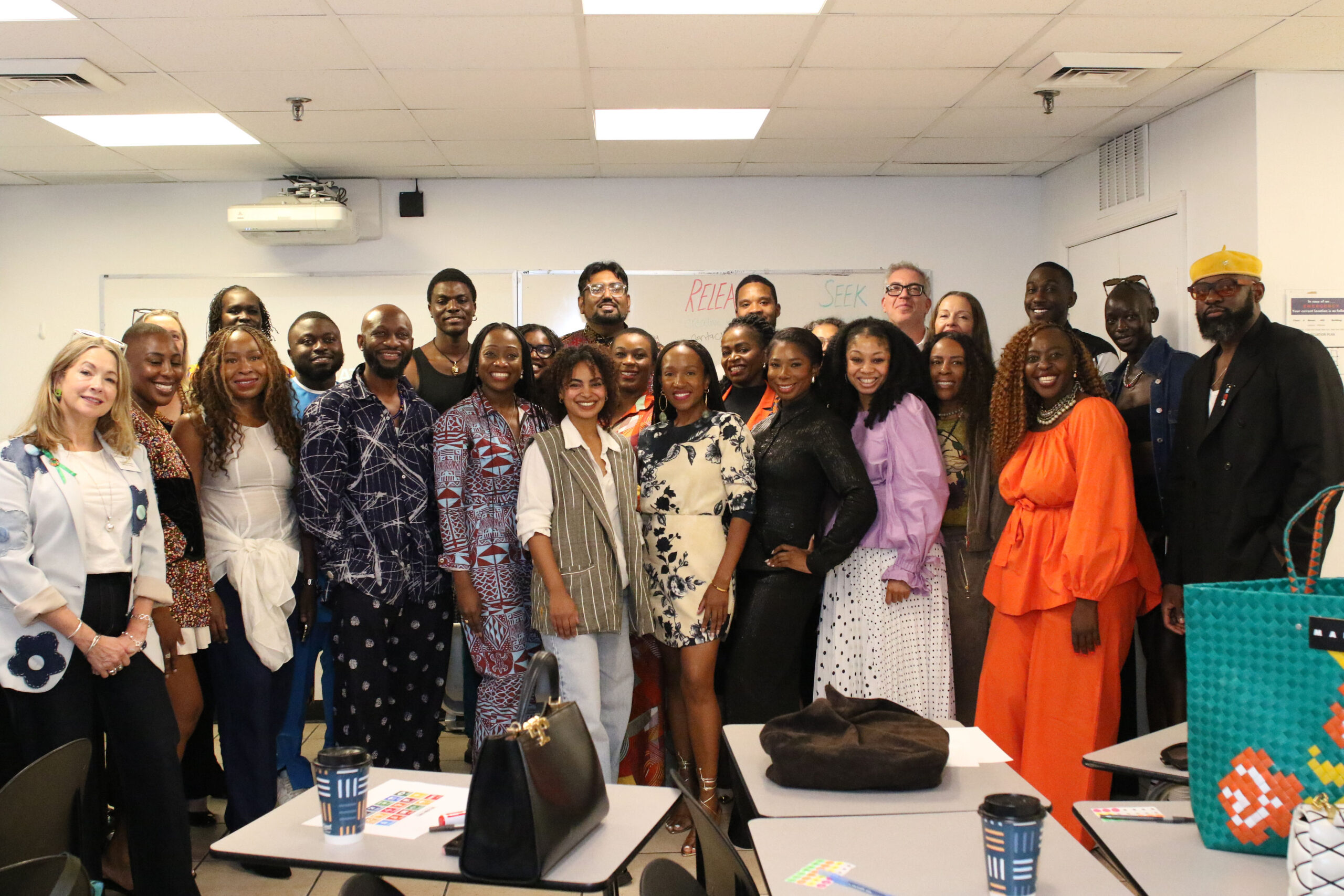
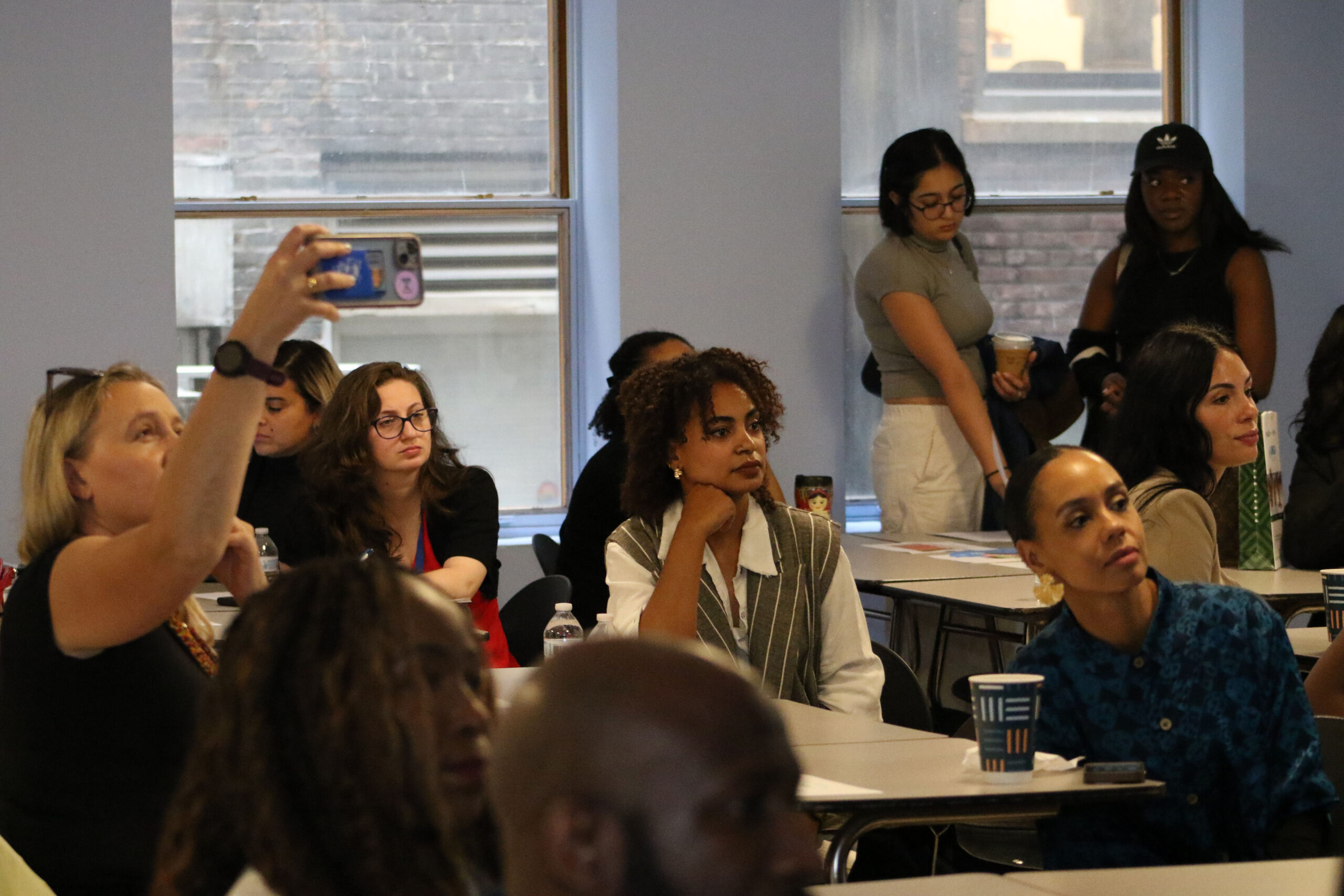 Building African Fashion (BAF) co-founder Udochi Nwogu hosted the Imagining Africa’s Fashion Future workshop in partnership with designer Kibonen Nfi of the African Fashion Council and Berkley College. The interactive workshop included leading industry personalities Andrea Kennedy lead in Fashion Merchandising and Management at Berkely College, Congolese -Ugandan designer Kahindo Mateene of Kahindo NYC, Nigerian Designer Niyi Okubuyjo of the brand Post imperial. Futures thinking expert Jessica Wade, interdisciplinary artist Jodie Lyn Kee Chow, Curator Perky Noah-Effik and I represented the African Fashion Media space.
Udochi Nwogu
With a background in marketing and strategy for startups, Udochi co-founder of Building African Fashion (BAF) brought a sharp lens to the recent workshop, which she described as a platform for collective strategy mapping within Africa’s fashion industry. The goal, she emphasized, was to convene diverse stakeholders to imagine new possibilities and chart pathways toward a thriving continental fashion ecosystem.
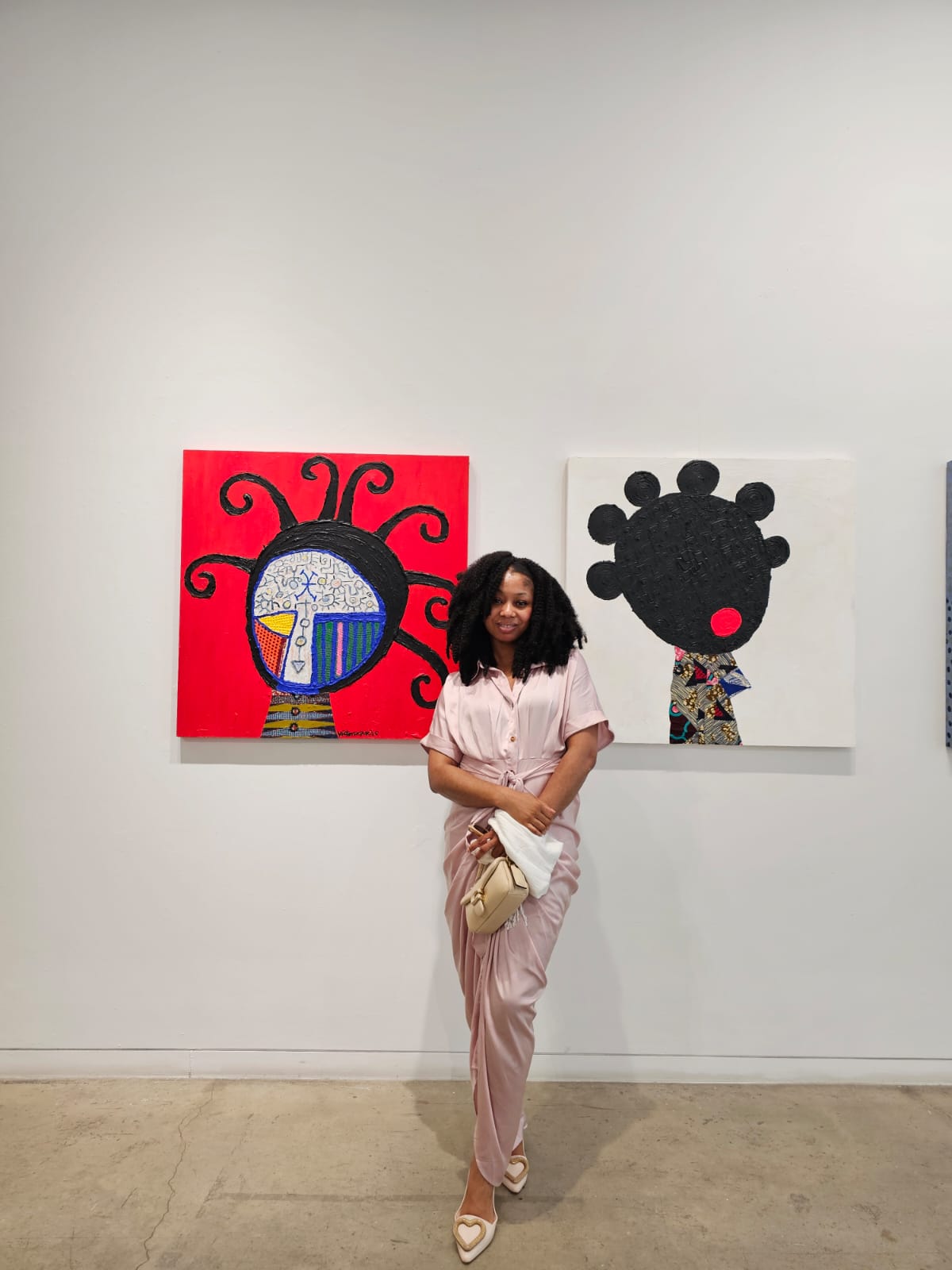
The workshop focused on dialogue and visualizing actionable realities: innovations, concepts, collaborations, and partnerships that can position African fashion on stronger footing. Central to this vision is the urgent need to lobby African governments to implement policies that enable the industry to grow, scale, and compete globally.
Participants engaged actively with stakeholders sharing their varied experiences across both African and global fashion landscapes. This exchange of perspectives provided grounds for reimagining the industry’s future.
Through Building African Fashion, Udochi and her peers are also working to ensure designers become investor ready supporting them in building sustainable structures, systems, and business models that will stand the test of time.
Kibonen Nfi
Cameroonian designer Kibonen Nifi based in New York, is a strategist shaping the global trajectory of African fashion. As Co-Founder of the African Fashion Council and an advisory board member of Creative African Nexus, the developmental program of the African Export-Import Bank (Afrexim Bank), Nifi brings a panoramic lens to the current state of African designers on the world stage.
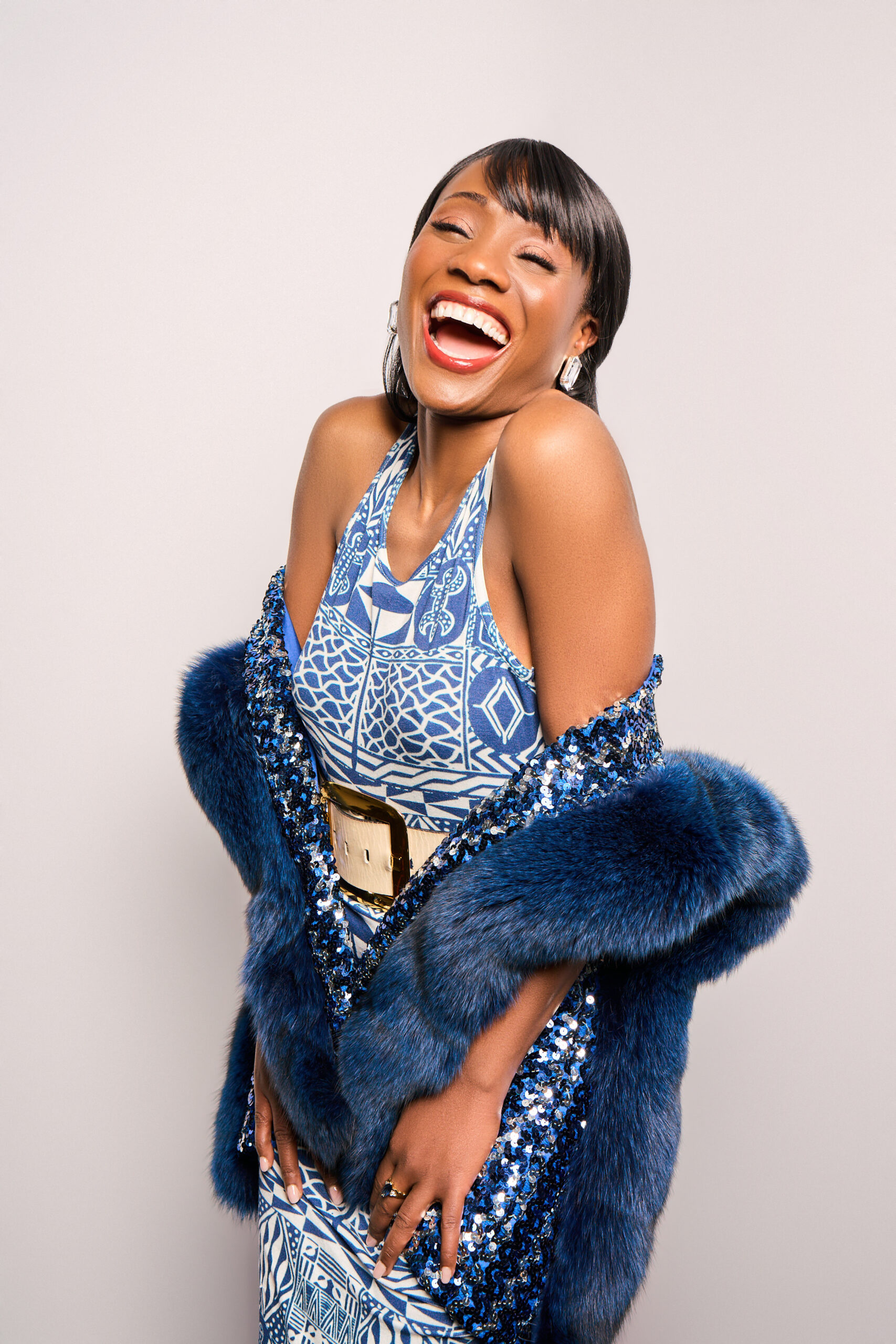
For Nifi, one of the greatest challenges remains the tendency for designers to operate in silos, each building their brand in isolation.
“We need to collaborate and have different people occupying different sections of the value chain, that way, we can build a community and support each other across all sectors.”
Her vision is clear, a united front that can advocate for resources, lobby for opportunities, and strengthen the industry’s infrastructure. She emphasizes the importance of professionalizing African fashion businesses by bringing in consultants whether through fundraising or equity partnerships to help establish structures that ensure growth and sustainability.
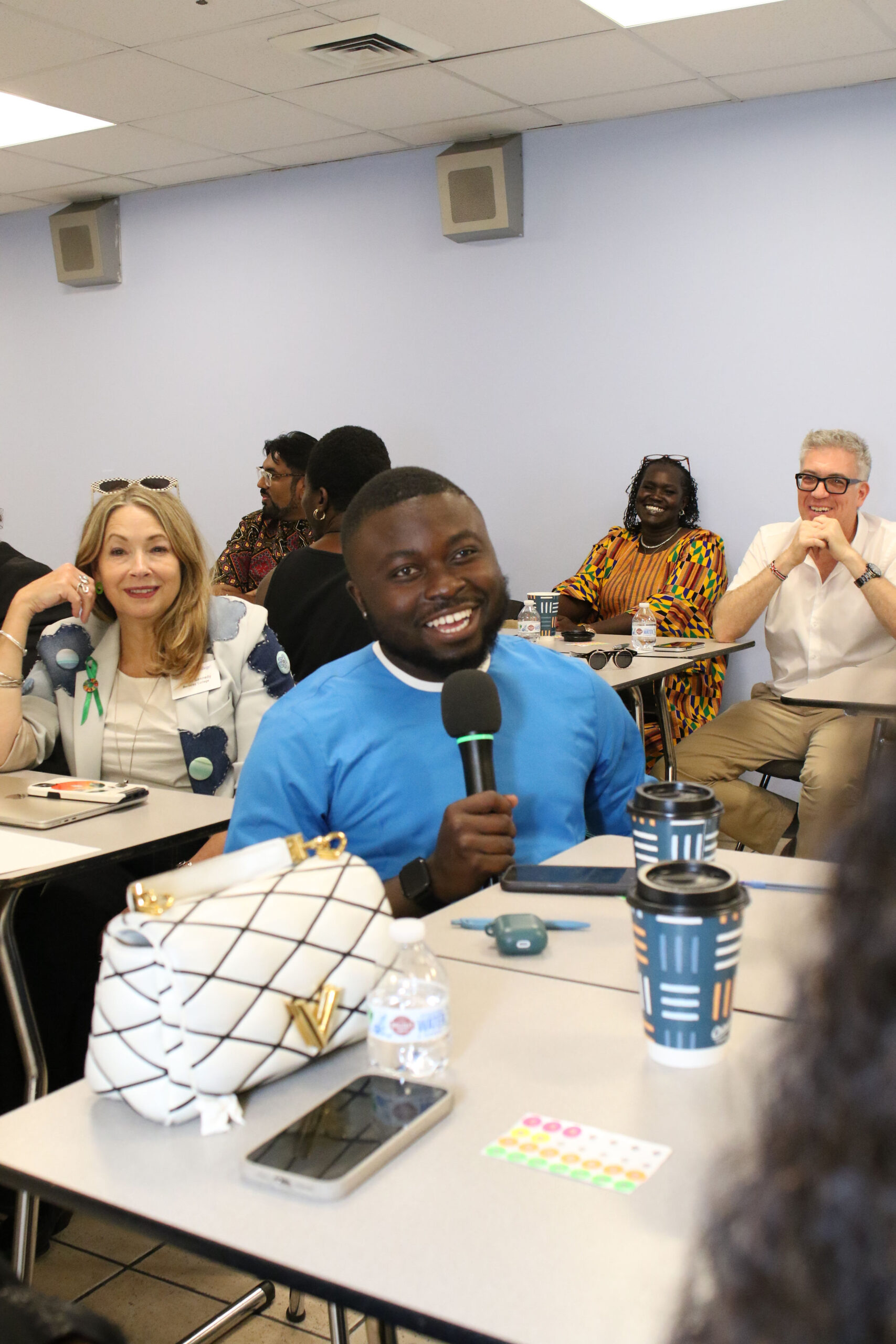 The African Fashion Council has already made notable strides. In partnership with the South African Consulate and Jaguar, the council facilitated the inclusion of five African designers on the official New York Fashion Week and they showcased in September 2024 a landmark moment. They also forged a collaboration with Berkeley College through its Designer-in-Residence program, which opens African fashion to both the public and academia. Nigerian designer Chuck Collins showcased his work under the residency program from 2024-2025. For Nifi who also participated in the residency from 2022-2024 these initiatives are just the beginning as her message to designers is one of boldness and readiness; seize every opportunity, collaborate widely, and step confidently onto the world stage.
Andrea Kennedy
At the helm of the Fashion Merchandising and Management program at Berkeley College in New York is Andrea Kennedy. Her previous work in sustainability and circularity and input from the fashion industry inform her teaching, while her vision extends beyond the classroom into building transformative partnerships between academia and the fashion industry.

One of the most significant collaborations under her leadership is the Designer-in-Residence program. The initiative launched with Cameroonian brand Kibonen, marking the first African designer to have taken up residency at Berkeley. The residency program offers designers a dedicated showroom space and the opportunity to mentor fashion students over a 12-month residency period. This exchange creates a hands-on learning experience that benefits both the designers and the next generation of industry leaders.
Berkeley’s partnership with the African Chamber of Commerce further expands these bridges, fostering connections with creatives across the African continent and strengthening the global reach of the program. Andrea is clear about what African designers need to succeed internationally,
“Designers must understand their buyers in different markets and the brand stories that resonate with them,”
She also emphasizes the importance of market readiness from packaging and presentation to mastering the fundamentals of wholesale and retail pricing. For Andrea, success lies in blending creativity with business acumen equipping African designers to step confidently into the global fashion economy.
Perky Noah-Effik
Cameroonian-born curator Perky Noah-Effik , co-founder of the Black and Brilliant Advocacy Network established in 2020 presentation focused on advancing conversations at the nexus of African cultural heritage and artificial intelligence. She highlighted how AI can serve as both a tool for preservation and a catalyst for innovation within Africa’s creative industries.
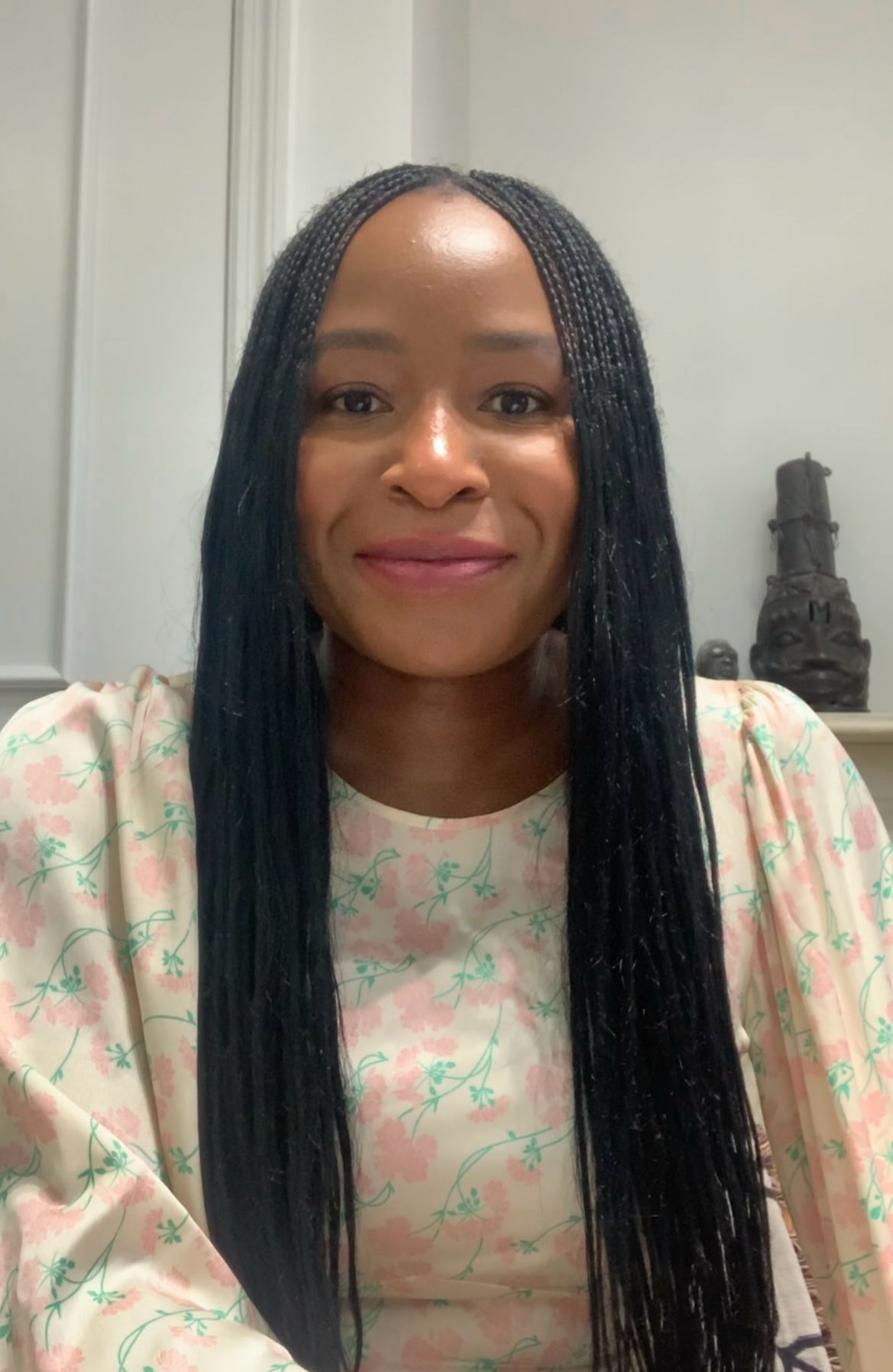
Through her organization, which has in the past run accelerator programs in partnership with Code Academy, Perky has now turned her attention towards the African fashion sector an industry she believes holds immense potential for AI integration. Demonstrating with Google Gemini, she re-imagined collection pieces and emphasized how AI can streamline cultural archiving.
“Initially, we would have to do it manually, which will be time-consuming and resource-intensive but with AI, we will be able to discover new and more effective ways of innovating,” she noted.
For Perky, AI it offers Africans an opportunity to build solutions and compete globally.
“AI is not here to take our jobs. On the contrary it’s the people who use AI who will take our jobs,” she affirmed.
Key challenge with using AI in the creative industry is data protection, a gap that has already exposed indigenous designs and innovations to appropriation. Perky stressed the urgency for African states to enact robust data protection laws to safeguard creative output. Equally important, she argued, is investment in continental infrastructure.
“We must also invest in data centers and infrastructures on the continent to house servers specific to Africa. This will expand AI access and secure Africa’s place in the global AI ecosystem,” she urged.
Niyi Okuboyejo
Nigerian designer Niyi Okuboyejo, founder of the brand Post Imperial based both in New York and Lagos delivered a thought-provoking presentation on the evolving role of the creator in shaping new fashion ecosystems. His talk explored how creators influence education, identity, and global culture, positioning African fashion as both a cultural force and an agent of change.
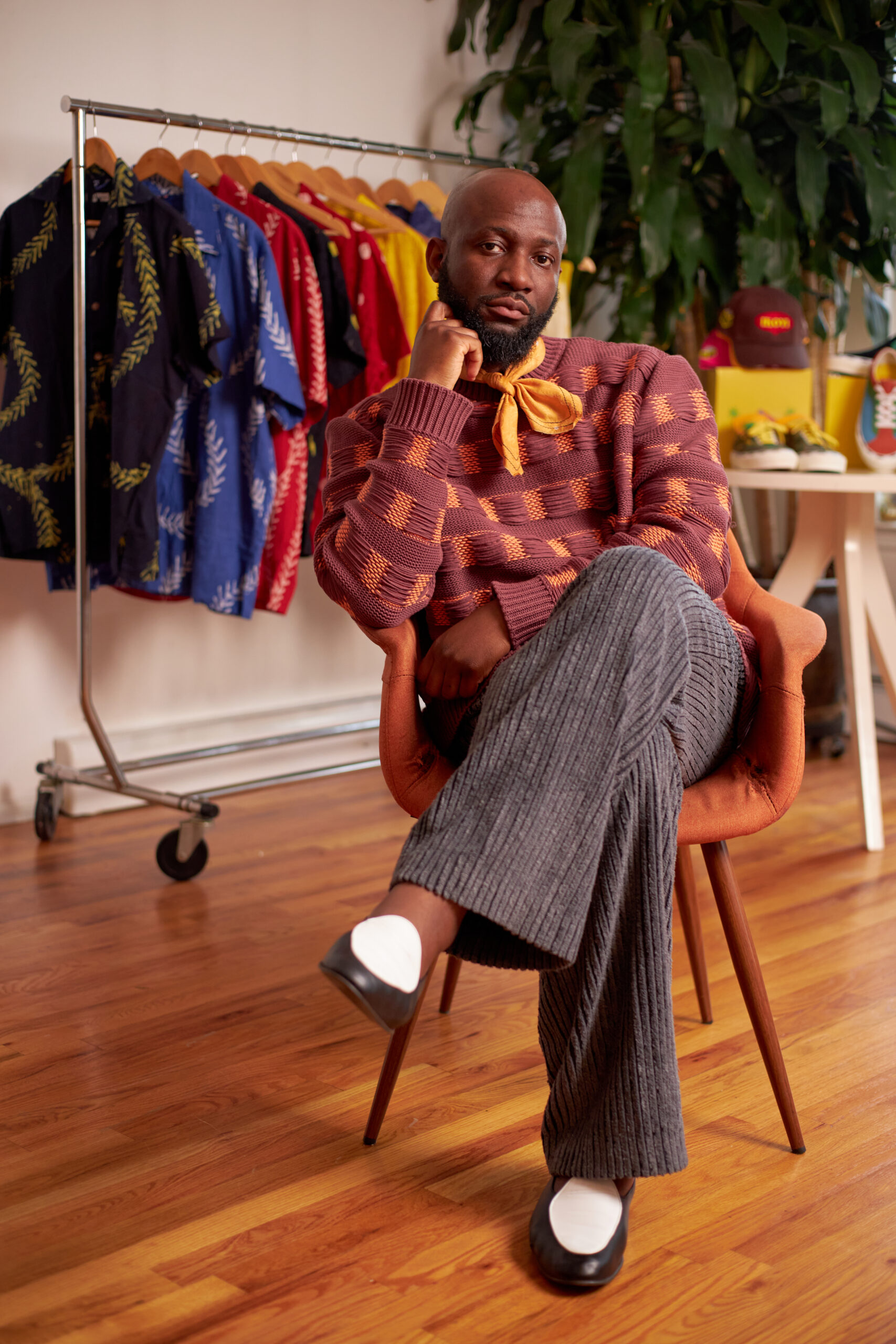
Okuboyejo outlined three central ideas. First, he emphasized the need for a platform for modern cultural griots. Historically, griots were travelling poets, musicians, and storytellers who preserved collective memory through oral traditions through spoken word and videos. In today’s context, Niyi adds that creative directors play a similar role curating culture, shaping narratives, and guiding identity.
“We can achieve this inside Africa, where cultural identity fuels fashion brands, and equally across the Black diaspora, where shared conversations connect us. For example, consider how Adire dyeing traditions have found resonance in Japan and America,” he reflected.
His second focus was on the importance of cultural and logistical infrastructure. For Africa’s creative visions to materialize, investment is needed in supply chains, community welfare, and systems that can sustain innovation at scale. Without this foundation, he noted, ideas risk remaining aspirational rather than transformative.
Finally, Okuboyejo underscored the importance of capitalizing on our soft power which is our rich culture and influence. Afrobeats and Nollywood are great examples of how African creativity has already reshaped global music and film. The question he posed is,
“How can African fashion share the same philosophy drawing from diverse aesthetics across cultures while extending our influence on a global stage?”
Kahindo Mateene
Designer Kahindo Mateene, whose ancestral roots span between Congo and Uganda, is the creative force behind the New York based brand Kahindo NYC. Known for her commitment to ethical fashion, Kahindo collaborates closely with artisans in Kenya, embedding social impact at the heart of her work.
In her presentation on Radical Transparency and Market Fit, she spotlighted the transformative role of the Digital Product Passport (DPP). This innovation allows a product’s entire journey to be traced from raw materials and origin to manufacturing, sustainability practices, repair, and eventual recycling.
Jodie Lyn-Kee-Chow
Interdisciplinary Afro-Jamaican and Chinese artist Jodie Lyn-Kee-Chow draws inspiration deeply from her Caribbean heritage to shape her artistic vision. In her presentation, she explored how festivals, performance, and community engagement can serve as vital platforms for advancing circular fashion and generating new forms of cultural value.

Central to her practice is the use of recycled fabrics and materials destined for landfills. she reimagines the waste and gives them a new lease of life by creating performance outfits thus embedding sustainability directly into her art. For Lyn-Kee-Chow, this is both an act of environmental consciousness and a creative contribution to the circular economy.
Jodie also highlighted the power of Afro-Futurism as a lens through which designers can narrate their own stories, merging ancestral heritage with forward-looking visions. In a cultural context where music festivals hold a cherished place across the African diaspora, she suggested that these vibrant gatherings are ideal platforms for fusing fashion, art, and music into a shared narrative of creativity and sustainability.
My Session
As a renown Kenyan Fashion Editor, I shared on the shift from newspapers and glossy magazines to fully digital platforms that tell stories in real time on Instagram and other social media platforms. A new wave of fashion critics have been born online by doing You-Tube reviews, TikTok breakdowns and Instagram reviews. These thought leaders are now introducing global audiences to African designers, critiquing trends and elevating the visibility of African fashion beyond borders.

Thus the future of fashion is democratized , anyone can access and contribute to the conversation, African fashion is borderless stories from Nairobi and Lagos can be read in real time across the globe, it is also visual and interactive through images, video, community dialogue and AI driven tools help fashion journalists quickly generate transcripts, summaries, or multilingual translations making African fashion stories more accessible to global audiences. For Africa, digital fashion journalism is a shift in medium and a liberating tool that allows new voices to tell authentic stories, break barriers critique with authority, and position African fashion at the center of global conversations.
Jes Wade
Jes Wade is an experienced fashion designer who launched her brand 7 years ago but has since shifted her focus to design thinking and how it can be used to build meaningful and organic business’s. At the workshop, Jes invited participants to explore how design methodologies can shape businesses that are both meaningful and sustainable.

Guiding the session, she emphasized three critical pillars: Feasibility, the practicality and execution of an idea; Viability, its potential for success and long-term self-sustainability in the marketplace; and Desirability, the storytelling and design elements that resonate with consumers. At the intersection of these three dimensions, she explained, lies the foundation for fashion businesses that not only survive but thrive with impact.
Wade urged participants to recognize that collaboration is essential. “Working in isolation limits growth,” she noted, underscoring the importance of building a pan-African fashion community. By pooling resources, knowledge, and strengths, she believes African brands can command greater visibility and collectively shape a global presence.
Great article! I really appreciate the way you explained everything so clearly – it feels like you put a lot of effort into making it useful for readers. I’ve been exploring different tools and resources myself, and recently started using aistudiodrive.com, a new AI for website building and link building. It’s been a game changer for me, and reading your post actually gave me even more ideas on how to apply it. Thanks for sharing such valuable insights!
Great article! I really appreciate the way you explained everything so clearly – it feels like you put a lot of effort into making it useful for readers. I’ve been exploring different tools and resources myself, and recently started using aistudiodrive.com, a new AI for website building and link building. It’s been a game changer for me, and reading your post actually gave me even more ideas on how to apply it. Thanks for sharing such valuable insights!
This cleared up a lot of uncertainty — I feel more confident now.
I never thought about it this way before. Your post gave me a fresh perspective.
I must say this article is extremely well written, insightful, and packed with valuable knowledge that shows the author’s deep expertise on the subject, and I truly appreciate the time and effort that has gone into creating such high-quality content because it is not only helpful but also inspiring for readers like me who are always looking for trustworthy resources online. Keep up the good work and write more. i am a follower.
I must say this article is extremely well written, insightful, and packed with valuable knowledge that shows the author’s deep expertise on the subject, and I truly appreciate the time and effort that has gone into creating such high-quality content because it is not only helpful but also inspiring for readers like me who are always looking for trustworthy resources online. Keep up the good work and write more. i am a follower.
I must say this article is extremely well written, insightful, and packed with valuable knowledge that shows the author’s deep expertise on the subject, and I truly appreciate the time and effort that has gone into creating such high-quality content because it is not only helpful but also inspiring for readers like me who are always looking for trustworthy resources online. Keep up the good work and write more. i am a follower.
I must say this article is extremely well written, insightful, and packed with valuable knowledge that shows the author’s deep expertise on the subject, and I truly appreciate the time and effort that has gone into creating such high-quality content because it is not only helpful but also inspiring for readers like me who are always looking for trustworthy resources online. Keep up the good work and write more. i am a follower.
I must say this article is extremely well written, insightful, and packed with valuable knowledge that shows the author’s deep expertise on the subject, and I truly appreciate the time and effort that has gone into creating such high-quality content because it is not only helpful but also inspiring for readers like me who are always looking for trustworthy resources online. Keep up the good work and write more. i am a follower.
rxzagw
I must say this article is extremely well written, insightful, and packed with valuable knowledge that shows the author’s deep expertise on the subject, and I truly appreciate the time and effort that has gone into creating such high-quality content because it is not only helpful but also inspiring for readers like me who are always looking for trustworthy resources online. Keep up the good work and write more. i am a follower.
I must say this article is extremely well written, insightful, and packed with valuable knowledge that shows the author’s deep expertise on the subject, and I truly appreciate the time and effort that has gone into creating such high-quality content because it is not only helpful but also inspiring for readers like me who are always looking for trustworthy resources online. Keep up the good work and write more. i am a follower.
433xd3
hzplp3
5a52qz
zx4vrv
9c9zh0
hkwk68
f0asax
Simply want to say your article is as surprising. The clarity in your post is simply spectacular and i can assume you’re an expert on this subject. Fine with your permission let me to grab your feed to keep updated with forthcoming post. Thanks a million and please carry on the rewarding work.