



There is something effortlessly chic about a set of naturally healthy nails. Whether you love them short and neatly filed, prefer a glossy coat of polish or occasionally switch things up with a manicure, the best nail looks always start with a healthy base.
And while nail care can sometimes feel like an excuse to book another salon appointment, keeping your natural nails in good condition actually comes down to a few simple habits. From keeping them moisturised to knowing when to give your nails a break from gel and acrylics, here’s how to give your natural nails the care they deserve.
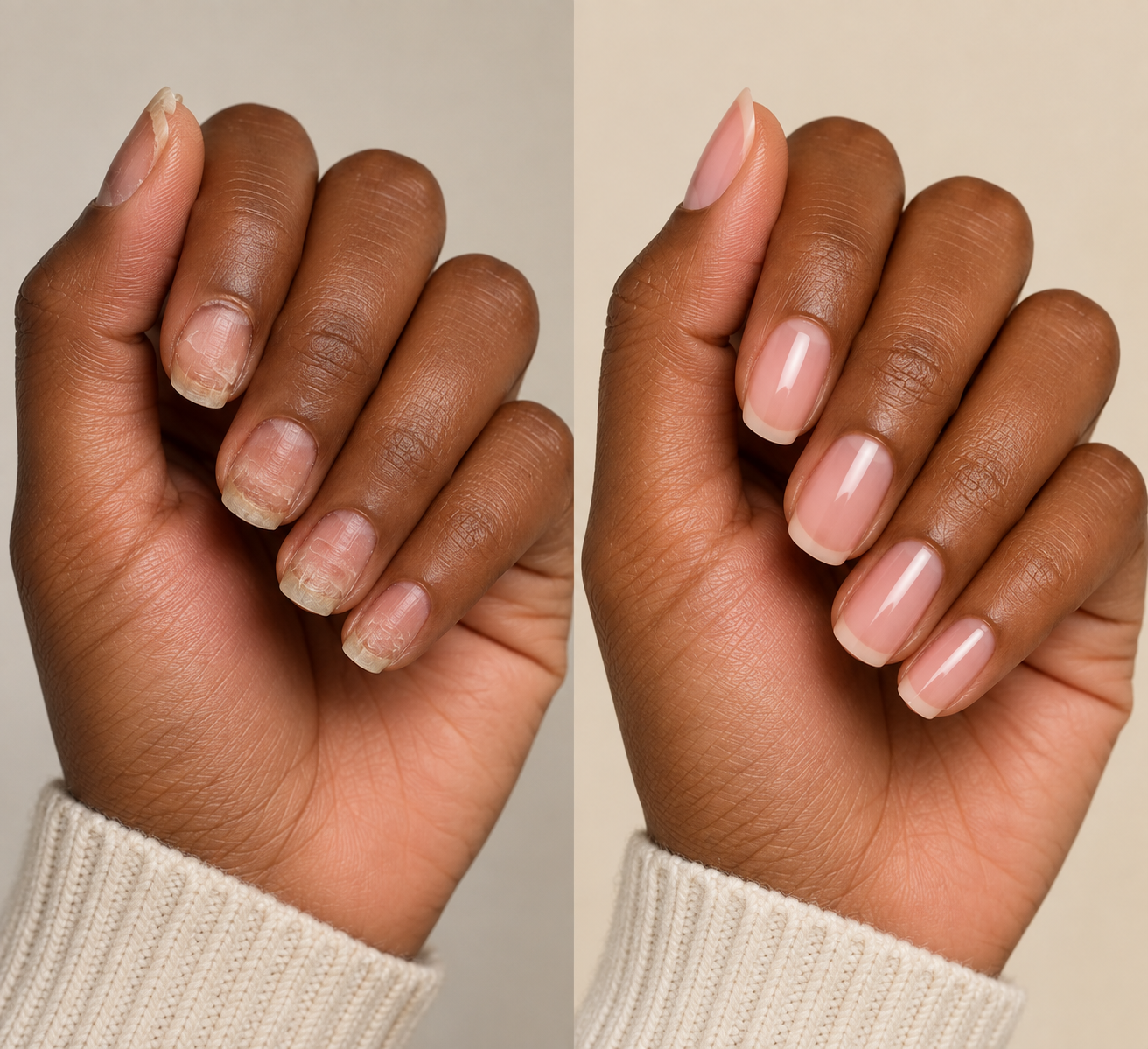
 Keep Your Nails Clean and Dry
Clean nails are the foundation of good nail care. Wash your hands regularly and make sure your nails are properly dried afterwards, particularly underneath the tips. Constant exposure to moisture can contribute to nails becoming weak, splitting or peeling. Dermatologists also recommend wearing gloves when washing dishes or handling cleaning products to protect your nails from prolonged water and chemical exposure.
Moisturise Your Nails and Cuticles
Your hands aren’t the only thing that need your moisturiser. Your nails and the skin around them need hydration too, particularly after washing your hands or removing nail polish.
Apply a hand cream, cuticle oil or a rich moisturiser to your nails and cuticles regularly. Ingredients such as petrolatum, glycerin and lanolin can help keep brittle nails moisturised and protected.
Don’t Cut Your Cuticles
The temptation to trim those little pieces of skin during a manicure can be strong, but your cuticles actually serve an important purpose. They help protect the area where the nail grows from bacteria and other germs.
Instead of cutting them, keep them moisturised and, if necessary, gently push them back after a shower or bath.
File, Don’t Fight Your Nails
If your nails have rough edges, reach for a nail file rather than picking, biting or tearing them. When filing your fingernails, gently smooth the edges in one direction rather than aggressively filing backwards and forwards, which can weaken the nail.
Keeping your nails at a manageable length can also reduce the chances of them catching on clothes or breaking during everyday activities.
Stop Using Your Nails as Tools
We’ve all used a nail to open a stubborn package, scrape off a sticker or pry something open, but these little habits can cause chips, splits and even damage to the nail bed.
Your nails are not scissors, screwdrivers or bottle openers. If something needs opening, reach for the appropriate tool instead.
Give Gel and Acrylics a Break
There’s nothing wrong with enjoying a good manicure, but your natural nails also need time without extensions and long-wear treatments. Frequent artificial nail applications and removal can leave nails thin, brittle and dry, while repeated gel manicures may contribute to peeling, cracking and brittleness.
If your nails are looking particularly weak, consider taking a break from gel, acrylics and extensions and focus on keeping them moisturised while they grow out.
Be Gentle When Removing Polish
Avoid peeling polish off your nails, especially gel polish. Picking at it can take layers of the natural nail with it.
For gel manicures, dermatologists recommend having the polish properly removed rather than picking or scraping it away. Once you’ve removed your polish, apply a moisturiser to help replenish moisture lost during the process.
Keep Your Nail Tools Clean
Your nail-care kit deserves some attention too. Clippers, scissors and other tools should be cleaned regularly to reduce the risk of spreading bacteria and infection. The American Academy of Dermatology recommends disinfecting nail clippers and scissors monthly.
And if you’re visiting a nail salon, pay attention to how clean the station and tools are and whether your technician follows proper hygiene practices.
Don’t Ignore Changes in Your Nails
Healthy nails are generally smooth and relatively uniform in colour and texture. If you notice a sudden or persistent change in your nails, including unusual discolouration, swelling, pain, ridges or changes in texture, don’t simply cover it up with polish. Nail changes can sometimes be linked to infections or other health conditions, so it’s worth speaking to a healthcare professional if something looks unusual.
The Bottom Line
You don’t need an elaborate 10-step routine to have beautiful natural nails. Keep them clean, moisturised and neatly shaped, protect them from excessive water and chemicals, and give them a break when they’ve had one too many manicures.
Healthy nails are the best manicure accessory, and with a little consistent TLC, your natural nails can look good with or without polish.
Great information shared.. really enjoyed reading this post thank you author for sharing this post .. appreciated