



Natural hair conversations often revolve around length. Which oil encourages growth? Which product promises longer hair? And how quickly can a new routine deliver results?
But length is only one part of the picture. Hair that grows but repeatedly breaks may struggle to retain length, making the condition of the hair and the way you handle it just as important as growth itself.
For tightly coiled and textured hair, a consistent routine that reduces unnecessary damage can make a meaningful difference.
 Handle Your Hair Gently
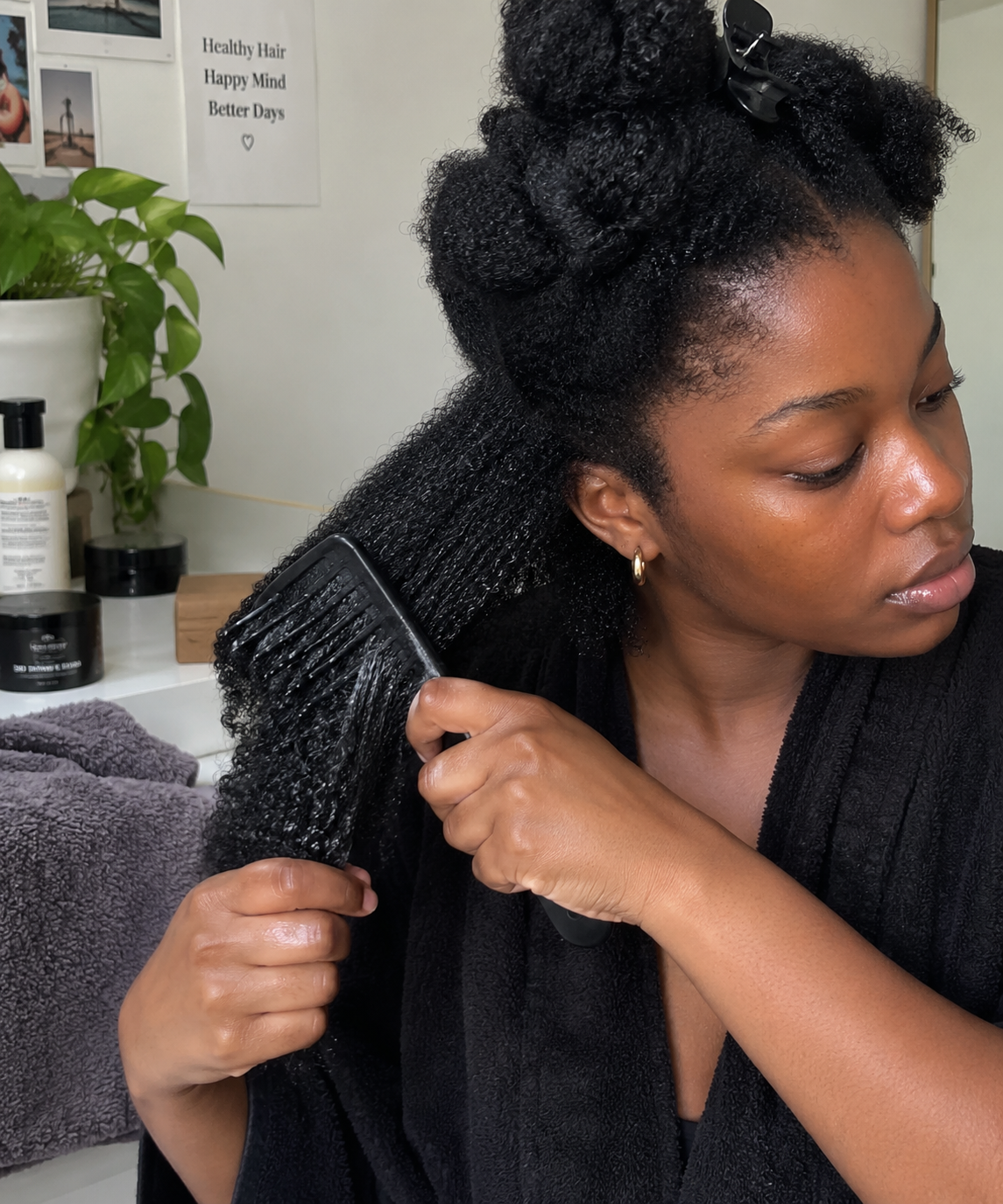
Frequent tugging, rough detangling and pulling hair into tight styles can contribute to breakage. Work in manageable sections and use your fingers or an appropriate detangling tool to ease through knots.
Detangling with conditioner or another suitable product that provides slip may make the process easier. Start at the ends and gradually work towards the roots rather than forcing a comb through tangled hair.
Find a Washing Routine That Works
Your scalp needs to be cleansed, but how often you wash will depend on your scalp, lifestyle, products and styling habits. Sweat, product build-up and personal preference can all influence your schedule.
Use a shampoo suited to your needs, paying attention to your scalp rather than aggressively scrubbing the length of your hair. Follow with conditioner to help improve manageability.
There is no universal washing schedule that works for everyone.
Moisturise Without Overcomplicating Things
Conditioners and leave-in products can help textured hair feel softer and easier to manage. Choose products that suit your hair and use them as directed.
Oils can help reduce friction or seal in moisture depending on how they are used, but they do not replace water or a conditioning product. Adding more products is not automatically better, especially if build-up becomes a problem.
Be Thoughtful About Protective Styles
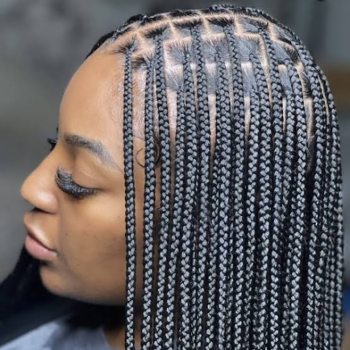
Braids, twists and other protective styles can reduce daily manipulation, but they should not cause pain or place excessive tension on the scalp. A style that feels uncomfortably tight is not a sign that it has been installed correctly.
Pay attention to your hairline and scalp, and avoid leaving styles in longer than is appropriate for your hair and the particular style.
Be Careful With Heat
Frequent high heat can damage hair, particularly when used without appropriate precautions. If you use heat tools, follow product instructions, use a suitable heat protectant and avoid repeatedly applying high temperatures to the same sections.
Consider whether you need heat for every styling session or whether lower-manipulation alternatives would work for you.
Treat Scalp Concerns Seriously
Persistent itching, scaling, pain, patches of hair loss or changes in your hairline deserve attention. These symptoms may have causes that oils and cosmetic products cannot address.
A dermatologist can help identify the cause and recommend appropriate treatment. Avoid assuming that every scalp concern is simply dryness.
Focus on Consistency, Not Quick Fixes
Healthy hair care is not about finding one miracle product. It is about understanding your hair, reducing avoidable damage and maintaining habits that work for your lifestyle.
Rather than measuring progress only by length, pay attention to manageability, breakage, scalp comfort and how your hair responds to your routine.
Your natural hair does not need an elaborate regimen to deserve good care. Start with the basics, make adjustments when necessary and give your routine time to work.
Featured Image Credit: AI-Generated.