




The biggest relaxer aftercare mistake is treating newly relaxed hair as though the chemical service changed nothing. The hair may feel smooth and easier to manage, but it still needs careful handling after processing. Washing too soon, skipping conditioning, using too much heat or pulling at the hair can make breakage more likely. Here is what not to do after a relaxer, and what to do instead.
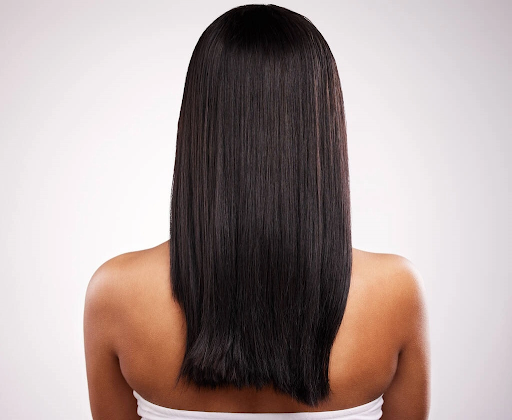
Why the Days and Weeks After a Relaxer Decide Everything
A relaxer changes the structure of the hair, so how you handle it afterwards matters. The first few days are not the time for constant styling, aggressive brushing or unnecessary manipulation.
Think beyond the first 72 hours. The weeks that follow also matter because repeated tension, dryness and heat can gradually weaken the hair. Good relaxer aftercare is about reducing avoidable stress between appointments.
Mistake 1: Washing or Restyling Too Soon
A common mistake is rushing back into a full styling routine immediately after a relaxer. Washing relaxed hair too soon can also be a problem if the scalp and hair have not had enough time to settle.
What to do instead: Follow the product and stylist instructions for when to wash, and avoid unnecessary manipulation in the first few days. When you do wash, be gentle. Do not scrub aggressively, detangle roughly or immediately apply high heat.
Mistake 2: Skipping Deep Conditioning
Hair that feels soft after a relaxer can tempt you to assume it needs little conditioning. Cleansing without regular conditioning can leave relaxed hair feeling dry and harder to manage.
What to do instead: Build deep conditioning into your regular wash routine. Focus on the lengths and ends, follow the treatment instructions and give the conditioner enough time to work.
MegaGrowth Deep Conditioner can be used as part of this step. The goal is consistent conditioning, not piling on products.
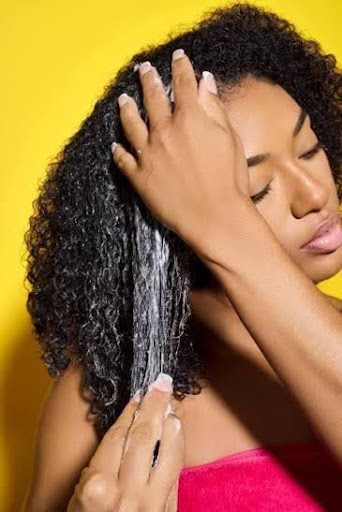
Mistake 3: Ignoring Protein-Moisture Balance
Another mistake is assuming every problem can be fixed with more moisture. Relaxed hair needs conditioning and moisture, but it can also benefit from strengthening care. Using one approach excessively can leave the hair overly soft or stiff and difficult to manage.
What to do instead: Pay attention to how your hair behaves. If it feels dry, focus on moisturising and conditioning. If it feels unusually weak or breaks during normal handling, consider strengthening care rather than simply adding more oil.
Mistake 4: Over-Using Heat
Flat irons, curling tools and frequent blow-drying can make relaxed hair easy to style, but repeated high heat adds another source of stress. A style that looks good today can become a breakage problem when heat is part of every wash day and restyle.
What to do instead: Reduce direct heat. When you use it, apply a heat protectant, use the lowest effective temperature and avoid repeatedly passing over the same section.
Mistake 5: No Nighttime Protection
You can have a careful wash routine and still undo some of that work while sleeping. Constant friction can contribute to dryness and tangling, particularly at the ends.
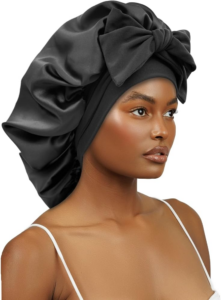
What to do instead: Protect the hair at night with a satin bonnet, scarf or pillowcase. Keep the hair arranged without tight pulling before bed.
Mistake 6: Neglecting the Scalp and Edges
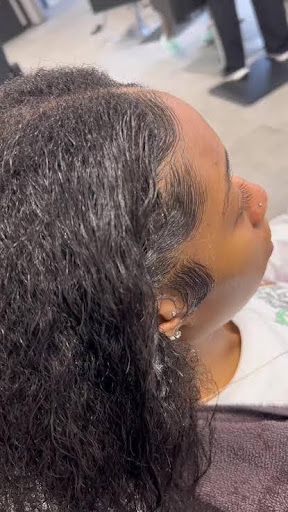
The scalp and edges often receive attention only after something has gone wrong. Tight hairstyles, repeated brushing and aggressive edge control can put unnecessary stress on fragile areas.
What to do instead: Keep the scalp clean according to your normal routine and avoid scratching or aggressively brushing the hairline. Choose styles that do not pull tightly at the edges.
MegaGrowth strengthening or conditioning products can be considered according to their instructions. Avoid treating the scalp as a place where more product is automatically better.
Mistake 7: Waiting Too Long, or Too Little, Between Touch-Ups
Touch-up timing can become a problem in both directions. Waiting until new growth is difficult to manage can lead to more pulling. Retouching too frequently creates another risk because previously relaxed hair does not need to be processed again.
What to do instead: Base touch-up timing on your hair’s growth and manageability. When you retouch, apply relaxer to new growth rather than overlapping relaxed lengths. Follow the product instructions and tell your stylist about recent chemical services.
What a Healthy Relaxer Aftercare Routine Looks Like
A good routine does not need to be complicated. After washing, condition or deep condition as appropriate, detangle gently from the ends upwards and minimise pulling while styling.
During the week, moisturise when your hair needs it rather than layering on products automatically. Protect your hair at night, limit direct heat and avoid styles that keep tension on the same area.
Before your next touch-up, assess the condition of your hair rather than assuming it needs another chemical service simply because new growth is visible.
For products that can support this approach, explore the MegaGrowth range at The Diva Shop. Choose products according to the specific job they need to do within your routine.
What if Your Hair Is Already Breaking?
If your hair is breaking after a relaxer, do not respond by immediately relaxing it again or adding more tension. Reduce heat and tight styling, handle the hair gently and focus on conditioning.
If breakage continues, becomes severe or is accompanied by scalp pain or noticeable thinning, speak with a qualified stylist, pharmacist or doctor rather than trying to correct it through repeated chemical services.
FAQs
How soon can I wash my hair after a relaxer?
Follow the instructions provided with your relaxer and guidance from your stylist. Avoid rushing into washing immediately after the service, particularly if your scalp feels sensitive. Once it is time to wash, cleanse gently and follow with conditioning.
How often should relaxed hair be deep conditioned?
Deep conditioning should be part of a consistent wash routine, with frequency adjusted to how your hair feels and the product instructions. If your hair regularly feels dry or difficult to manage, review your conditioning routine rather than simply adding more styling products.
What is the biggest relaxer aftercare mistake?
Treating relaxed hair as though it no longer needs careful handling is one of the biggest mistakes. Excessive manipulation, heat, skipped conditioning and poorly timed touch-ups can all contribute to breakage. The better approach is consistent conditioning, gentle handling, limited heat and careful touch-up discipline.

Explore the MegaGrowth collection at The Diva Shop for products that can support conditioning, strengthening and everyday relaxed hair care.