
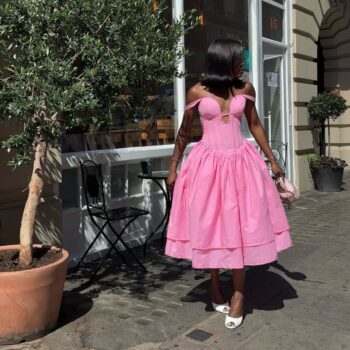



Every birthday season, without fail, the complaints start surfacing. ‘I’ve been to three parties and four girls wore the same dress.’ ‘I saw my exact look on someone else’s Instagram the week before my birthday.’ ‘Everything feels so similar.’ The frustration is genuine, but I want to say something that might be slightly controversial:
The dress nobody else has exists. You just haven’t been looking for it in the right way, or at the right time.
The birthday dress problem is not a fashion problem. It’s a shopping behaviour problem. And the good news about behaviour problems is that they’re entirely fixable. Here’s my honest take as a fashion girl who has watched this conversation play out year after year, season after season. The girlies are not wrong to be frustrated. But the frustration is pointed at the wrong target. The algorithm is not the enemy. Waiting until three weeks before your birthday to care about what you’re going to wear is.
View this post on Instagram
We’ve Outsourced Our Taste to the Algorithm and We’re Surprised It Looks the Same
Let’s start here because this is the root of it. When you open Instagram or TikTok two months before your birthday and search ‘birthday dress 2026’, you are seeing exactly what every other woman in your age bracket, in your city, with a similar engagement history is also seeing. The algorithm does not know you. It knows your behaviour. And if your behaviour looks like everyone else’s, your feed will look like everyone else’s feed, and you will buy what everyone else is buying.
View this post on Instagram
The white corset mini. The sheer bodysuit with the dramatic skirt. The backless satin column. They are not bad dresses. Some of them are genuinely stunning. But they are trending dresses, which by definition means the moment you find them, so have approximately thirty thousand other women. That’s the contract you enter when you shop on trend impulse. It’s mathematics.
Shopping for a birthday dress three weeks out is like revising the night before an exam. You’ll get something, but it won’t be your best work.
The solution is not to shop from obscure boutiques you’ve never heard of or to spend money you don’t have on a custom piece (although we’ll get to why a stylist might be worth it). The solution is to change your relationship with fashion time. To stop treating the birthday dress like an emergency and start treating it like a project.
Curating Personal Taste Is a Full-Time Side Job, And That’s Not a Bad Thing
Before you can find the dress nobody else has, you need to know what you actually want; not what’s available, not what’s on sale, not what your friend looked good in last month. What you want. This sounds obvious and it isn’t. Most of us have a far less developed sense of our own aesthetic than we think we do, because we’ve spent so many years shopping reactively.
Personal taste is built through sustained attention. It means noticing what you’re drawn to on other women, not necessarily to copy it, but to understand why it appeals to you. It means knowing whether you’re fundamentally a clean-lines person or a drama person. Whether you feel most yourself in something structured or something soft. Whether colour excites you or whether you always gravitate back to neutrals. These are not small questions, and they don’t have quick answers. However, they are the answers that make shopping intuitive rather than overwhelming.
View this post on Instagram
Start a notes folder on your phone. Screenshot things you love while paying attention to textures, colours, silhouettes from films, architecture, interiors. You will start to see your own pattern emerge. That pattern is your taste. That taste is what makes the difference between a dress that’s beautiful and a dress that is unmistakably you.
Window Shopping Is a Skill, Not a Waste of Time
Here is something nobody tells you: the best fashion decisions are made without urgency. The women who consistently look most themselves, not most trendy, not most expensive, most themselves, are almost always women who have been casually, continuously paying attention to what they love throughout the year.
Window shopping, in the old-fashioned sense of browsing without any pressure to buy, is a deeply underrated practice. When you’re not spending money, you’re free to be honest. You can look at a dress and think ‘I love this but I’d never actually wear it’ without the defensive energy that comes with having already purchased it. You can compare options without the time pressure that makes you settle. You can return to the same piece three times over three months and discover whether it still excites you or whether it was a passing moment.
View this post on Instagram
If you see something beautiful in March and your birthday is in September, save it. Screenshot it. Note the brand. When September comes, either it’ll still be calling your name, which means it’s genuinely you, or something else will have taken its place, which is also useful information. Either way, you arrive at your birthday with a curated shortlist instead of a panicked browse.
The Moodboard Is Not a Pinterest Cliché. It’s a Decision-Making Tool.
I know. Everyone says ‘make a moodboard’ and it sounds like advice for people with too much free time and an aesthetic Instagram account. Stay with me.
A moodboard maintained throughout the year does something very specific: it externalises your taste so you can see it objectively. It takes the vague, shifting sense of what you love and makes it concrete and legible. When you can look at your moodboard and say ‘ah, so I’ve been drawn to sculptural necklines, deep jewel tones, and fabrics that move’, you have a brief. And a brief makes shopping take twenty minutes instead of three stress-inducing weeks.
A moodboard is evidence of your own evolving taste.
Use whatever platform makes it easiest for you to maintain consistently. Pinterest if you like a proper visual board. A saved folder on Instagram if you’re more of a screen-shotting type. A simple camera roll album labelled ‘birthday reference’ that you add to whenever something catches your eye. The format is irrelevant. The discipline of returning to it, adding to it, and occasionally editing it, removing things that no longer resonate, is what makes it powerful.
By the time your birthday approaches, you’re editing a rich document of your own desires, instead of starting from zero.
On Investing in a Stylist (Even Just Once)
This is the suggestion that tends to get the most resistance, usually from people who associate stylists with celebrity budgets and full-day shoots. But a single session with a good personal stylist, and in Lagos particularly, there are several excellent ones operating at accessible price points, can be genuinely transformative.
Here’s what a stylist actually does for a birthday dress situation: they listen to who you are, not just what you want to look like. They consider your colouring, your proportions, your lifestyle, and the specific energy of the event. They pull options you would never have found on your own, not because they have access to some magical secret inventory, but because they have been paying attention to the market as a professional all year long. They know which designers released something extraordinary this season. They know which local seamstress is doing impeccable work. They know that the piece you’ve been looking for exists on a rail somewhere and they know exactly which rail.
View this post on Instagram
For a birthday dress specifically, the outfit that will be photographed and seen and remembered, the cost of a styling session is often far lower than the cost of buying three dresses you’re not fully convinced by and returning two of them. It’s also significantly lower than the emotional cost of arriving at your own party feeling like you settled.
Even if you only do it once, a good styling experience teaches you things about yourself that change how you shop independently for years afterwards. Consider it an education as much as a service.
So, Is It Really That Hard?
No. It genuinely isn’t. But it requires something most of us are not conditioned to give our wardrobes: sustained, unhurried attention throughout the year rather than frantic effort in the final weeks.
The birthday dress nobody else has doesn’t exist in a specific shop or at a particular price point. It exists at the intersection of knowing yourself well enough to recognise it when you see it, and having been paying enough attention throughout the year to have built the vocabulary to describe it. The dress is out there. But you have to have done the work to know it when you find it.
i really enjoy reading such a greate article, keep up the wonderful work, check out my site at eiffeltower-ticketparis.com
i really enjoy reading such a greate article, keep up the wonderful work, check out my site at eiffeltower-ticketparis.com
I’m often to blogging and i really appreciate your content. The article has actually peaks my interest. I’m going to bookmark your web site and maintain checking for brand spanking new information.
AI linkbuilding tool with chatgpt
AI linkbuilding tool with chatgpt
AI linkbuilding tool with chatgpt
AI linkbuilding tool with chatgpt
挺不错的样子嘛!
AI linkbuilding tool with chatgpt
Faydalı bilgilerinizi bizlerle paylaştığınız için teşekkür ederim.
AI linkbuilding tool with chatgpt
AI linkbuilding tool with chatgpt
AI linkbuilding tool with chatgpt
AI linkbuilding tool with chatgpt
Profesyonel Hacklink Panel ile hacklinklerinizi yönetin. Güvenilir kaynaklardan Hacklink Satın Alarak SEO performansınızı zirveye taşıyın.
thisis a fantastic article, really nice created, i enjoy reading it, i will be back to check out for latest update, keep up the good work and applause. frompoo.com
thisis a fantastic article, really nice created, i enjoy reading it, i will be back to check out for latest update, keep up the good work and applause. frompoo.com
Hacklink panel ile link inşa sürecinizi hızlandırın. Tek tıkla sipariş, anlık aktivasyon ve uygun fiyat garantisi sunuyoruz.
bedava bitcoin, ücretsiz kripto, casino bonus, casino
sitesi, güvenilir casino, online casino, canlı casino, slot oyunları, rulet oyna, poker
oyna, blackjack oyna, bahis sitesi, güvenilir bahis, canlı bahis,
spor bahisleri, yüksek oran bahis, kaçak bahis, bedava bahis, deneme bonusu, hoşgeldin bonusu, casino free spin, slot free
spin, kumar sitesi, kumarhane, çevrimiçi kumar, illegal bahis, yasa dışı bahis, illegal casino,
yasadışı kumar, kayıt olmadan bahis, kimlik doğrulama yok bahis, bahis para yatır,
bahis para çek, casino para çekme, casino para yatırma,
slot jackpot, jackpot casino, bedava casino, ücretsiz
casino, casino demo, canlı krupiye, canlı rulet, canlı blackjack, canlı poker, canlı baccarat,
baccarat oyna, baccarat sitesi, çevrimsiz bonus,
yatırımsız bonus, çevrim şartsız bonus,
kayıp bonusu, kayıp iadesi, free bet, freespin, casino cashback, bahis cashback, bedava iddaa,
maç izle bahis, canlı maç bahis, futbol bahis, basketbol bahis,
tenis bahis, esports bahis, sanal bahis, sanal spor bahis,
köpek yarışı bahis, at yarışı bahis, greyhound bahis, poker freeroll, escort bayan, escort istanbul,
escort ankara, escort izmir, escort bursa, escort adana, escort kocaeli,
escort mersin, escort antalya, escort gaziantep, escort konya, escort diyarbakır, escort aydın, escort kayseri,
vip escort, ucuz escort, eve gelen escort, otele gelen escort, saatlik
escort, gecelik escort, haftalık escort, çıkmalık escort, rezidans escort,
öğrenci escort, yabancı escort, rus escort, ukraynalı escort, arap escort, sarışın escort, esmer escort, olgun escort
Hacklink panel ile her an her yerden SEO yönetimi. Mobil uyumlu arayüz, bulut tabanlı altyapı ve kesintisiz erişim. 4748
bedava bitcoin, ücretsiz kripto, casino bonus, casino sitesi, güvenilir casino, online
casino, canlı casino, slot oyunları, rulet oyna, poker oyna, blackjack oyna, bahis
sitesi, güvenilir bahis, canlı bahis, spor bahisleri,
yüksek oran bahis, kaçak bahis, bedava bahis, deneme bonusu, hoşgeldin bonusu,
casino free spin, slot free spin, kumar sitesi, kumarhane, çevrimiçi kumar, illegal bahis, yasa
dışı bahis, illegal casino, yasadışı kumar, kayıt olmadan bahis, kimlik doğrulama yok bahis,
bahis para yatır, bahis para çek, casino para çekme, casino para yatırma,
slot jackpot, jackpot casino, bedava casino, ücretsiz casino,
casino demo, canlı krupiye, canlı rulet, canlı blackjack, canlı poker, canlı
baccarat, baccarat oyna, baccarat sitesi, çevrimsiz
bonus, yatırımsız bonus, çevrim şartsız bonus, kayıp bonusu, kayıp iadesi, free
bet, freespin, casino cashback, bahis cashback, bedava iddaa, maç izle bahis,
canlı maç bahis, futbol bahis, basketbol bahis, tenis bahis, esports bahis, sanal bahis,
sanal spor bahis, köpek yarışı bahis, at yarışı
bahis, greyhound bahis, poker freeroll, escort bayan, escort istanbul, escort ankara, escort izmir, escort bursa, escort adana, escort
kocaeli, escort mersin, escort antalya, escort
gaziantep, escort konya, escort diyarbakır, escort aydın, escort kayseri, vip escort, ucuz escort, eve gelen escort, otele gelen escort,
saatlik escort, gecelik escort, haftalık escort, çıkmalık escort, rezidans escort, öğrenci escort, yabancı escort, rus escort, ukraynalı escort,
arap escort, sarışın escort, esmer escort, olgun escort
bedava bitcoin, ücretsiz kripto, casino bonus, casino sitesi, güvenilir casino, online casino, canlı casino, slot oyunları, rulet
oyna, poker oyna, blackjack oyna, bahis sitesi, güvenilir bahis,
canlı bahis, spor bahisleri, yüksek oran bahis,
kaçak bahis, bedava bahis, deneme bonusu, hoşgeldin bonusu, casino free spin, slot free spin, kumar sitesi, kumarhane, çevrimiçi kumar, illegal bahis, yasa dışı bahis,
illegal casino, yasadışı kumar, kayıt olmadan bahis, kimlik doğrulama yok bahis, bahis para yatır, bahis para çek, casino para çekme,
casino para yatırma, slot jackpot, jackpot casino, bedava casino, ücretsiz casino, casino demo, canlı krupiye, canlı rulet,
canlı blackjack, canlı poker, canlı baccarat, baccarat oyna, baccarat sitesi, çevrimsiz bonus, yatırımsız bonus, çevrim şartsız
bonus, kayıp bonusu, kayıp iadesi, free bet, freespin, casino cashback, bahis cashback,
bedava iddaa, maç izle bahis, canlı maç bahis, futbol bahis, basketbol
bahis, tenis bahis, esports bahis, sanal bahis, sanal spor bahis, köpek yarışı
bahis, at yarışı bahis, greyhound bahis, poker freeroll, escort bayan, escort istanbul, escort ankara, escort izmir,
escort bursa, escort adana, escort kocaeli, escort mersin, escort antalya,
escort gaziantep, escort konya, escort diyarbakır,
escort aydın, escort kayseri, vip escort, ucuz escort, eve
gelen escort, otele gelen escort, saatlik escort, gecelik escort, haftalık escort, çıkmalık escort, rezidans escort, öğrenci escort, yabancı escort, rus escort, ukraynalı escort, arap escort,
sarışın escort, esmer escort, olgun escort
bedava bitcoin, ücretsiz kripto, casino bonus, casino sitesi,
güvenilir casino, online casino, canlı casino, slot oyunları, rulet oyna, poker oyna, blackjack oyna,
bahis sitesi, güvenilir bahis, canlı bahis, spor bahisleri, yüksek oran bahis, kaçak bahis, bedava bahis, deneme bonusu,
hoşgeldin bonusu, casino free spin, slot free spin, kumar sitesi, kumarhane, çevrimiçi kumar, illegal bahis, yasa
dışı bahis, illegal casino, yasadışı kumar, kayıt olmadan bahis,
kimlik doğrulama yok bahis, bahis para yatır, bahis para çek, casino para
çekme, casino para yatırma, slot jackpot, jackpot casino, bedava casino, ücretsiz casino, casino demo, canlı krupiye, canlı rulet,
canlı blackjack, canlı poker, canlı baccarat, baccarat oyna,
baccarat sitesi, çevrimsiz bonus, yatırımsız bonus, çevrim şartsız bonus,
kayıp bonusu, kayıp iadesi, free bet, freespin, casino cashback, bahis
cashback, bedava iddaa, maç izle bahis, canlı maç bahis,
futbol bahis, basketbol bahis, tenis bahis, esports bahis, sanal bahis,
sanal spor bahis, köpek yarışı bahis, at yarışı bahis, greyhound bahis, poker freeroll, escort bayan, escort istanbul, escort ankara, escort izmir, escort bursa, escort adana, escort kocaeli, escort mersin, escort antalya, escort gaziantep,
escort konya, escort diyarbakır, escort aydın, escort kayseri, vip escort,
ucuz escort, eve gelen escort, otele gelen escort, saatlik escort,
gecelik escort, haftalık escort, çıkmalık escort, rezidans escort, öğrenci escort, yabancı escort, rus escort, ukraynalı
escort, arap escort, sarışın escort, esmer escort, olgun escort
bedava bitcoin, ücretsiz kripto, casino bonus,
casino sitesi, güvenilir casino, online casino, canlı casino,
slot oyunları, rulet oyna, poker oyna, blackjack oyna, bahis sitesi, güvenilir
bahis, canlı bahis, spor bahisleri, yüksek oran bahis, kaçak bahis,
bedava bahis, deneme bonusu, hoşgeldin bonusu, casino free spin, slot free spin, kumar
sitesi, kumarhane, çevrimiçi kumar, illegal bahis, yasa
dışı bahis, illegal casino, yasadışı kumar, kayıt
olmadan bahis, kimlik doğrulama yok bahis, bahis para
yatır, bahis para çek, casino para çekme, casino para yatırma, slot jackpot,
jackpot casino, bedava casino, ücretsiz casino, casino
demo, canlı krupiye, canlı rulet, canlı blackjack, canlı
poker, canlı baccarat, baccarat oyna, baccarat sitesi, çevrimsiz bonus,
yatırımsız bonus, çevrim şartsız bonus, kayıp bonusu, kayıp iadesi, free bet,
freespin, casino cashback, bahis cashback, bedava iddaa,
maç izle bahis, canlı maç bahis, futbol bahis, basketbol bahis, tenis
bahis, esports bahis, sanal bahis, sanal spor bahis, köpek yarışı bahis, at yarışı bahis, greyhound bahis, poker freeroll,
escort bayan, escort istanbul, escort ankara, escort izmir, escort bursa,
escort adana, escort kocaeli, escort mersin, escort antalya, escort gaziantep, escort konya, escort
diyarbakır, escort aydın, escort kayseri, vip escort, ucuz escort, eve gelen escort, otele gelen escort, saatlik escort, gecelik escort, haftalık escort,
çıkmalık escort, rezidans escort, öğrenci escort,
yabancı escort, rus escort, ukraynalı escort, arap escort, sarışın escort, esmer escort, olgun escort
Hello, Neat post. There is a problem along with your website in internet explorer, could check this?K IE still is the marketplace chief and a large section of people will leave out your wonderful writing due to this problem.