
It usually happens in the mirror, not the wardrobe.
You are dressed. Technically ready. Hair done. Shoes on. Bag packed. And yet, something feels off. You do not look bad, but you do not quite feel like yourself either. The outfit is fine. Appropriate. Acceptable. But it does not reflect how you want to show up.
You catch your reflection one more time before stepping out and think, this will do. Not because it excites you, but because you do not have the energy to fix it.
For many women, this quiet disconnect has become normal. Getting dressed is not dramatic or chaotic. It is emotionally flat. And that is the exhaustion no one talks about.
The issue is rarely a lack of clothes. It is a lack of clarity.
Most women own enough to be presentable. Enough to make it work. But not enough pieces that truly support their lives as they are now. Outfits are often built on compromise. What fits today. What is clean. What will not draw attention. What feels safe.
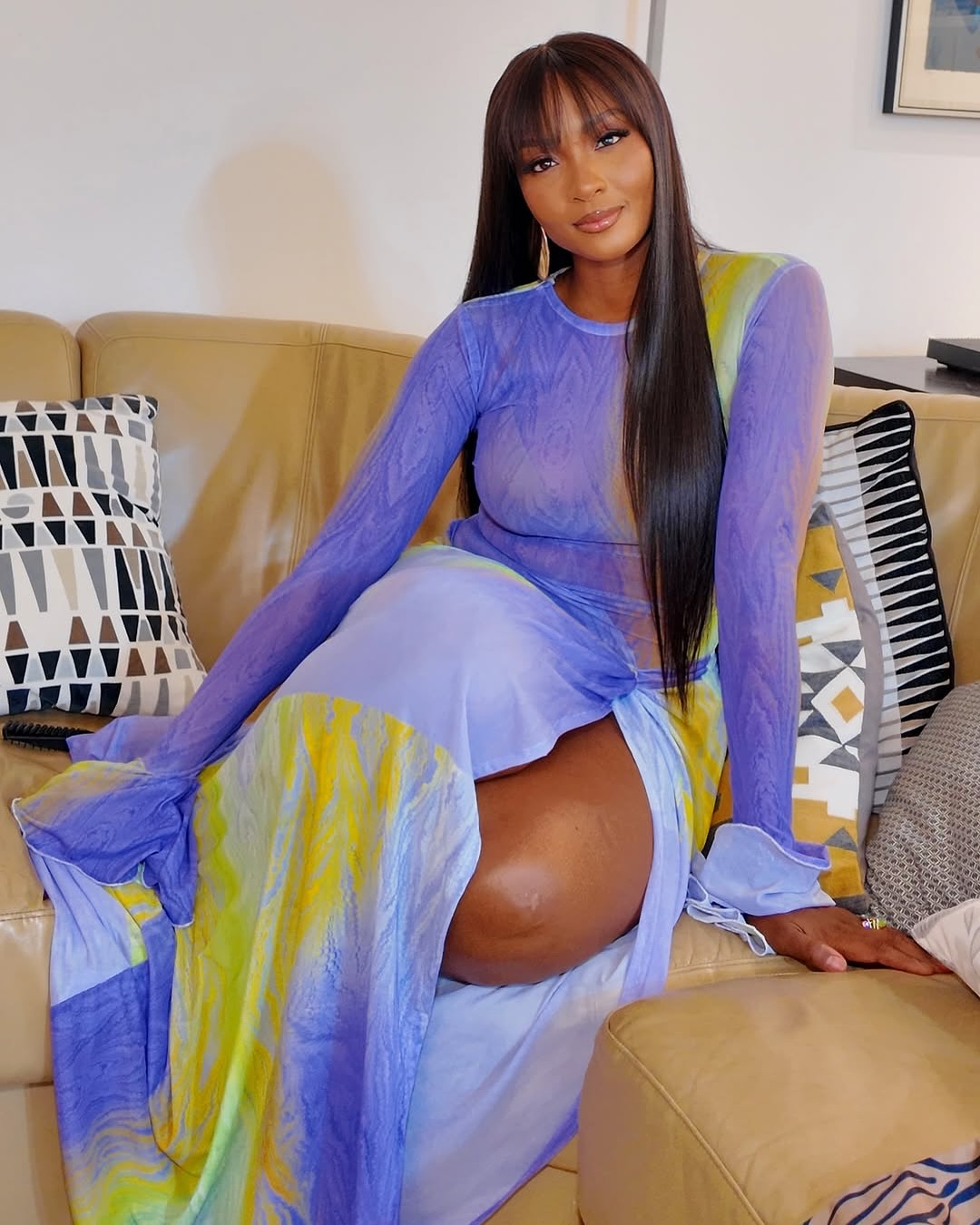
Over time, style stops being expressive and starts becoming functional in the most draining way. Dressing well did not always feel like this. But somewhere between evolving bodies, expanding responsibilities and the pressure to look effortless, style became another task to manage rather than a tool for support.
When a wardrobe is not built with intention, it demands too many decisions. What works for today. What feels appropriate. What will not require adjusting, tugging or explaining. This constant, low-level decision-making creates fatigue, especially for women already carrying full mental loads.
Many internalise this struggle and assume they have lost their sense of style. But the problem is not taste. It is structure. A wardrobe without alignment will always create friction.
When dressing begins to feel mentally heavy, women simplify out of necessity. They reach for safe silhouettes, neutral tones and repeated outfits that do not ask questions. There is nothing wrong with simplicity, until it no longer reflects who you are. Over time, that emotional distance shows up subtly. Less confidence. Less presence. Less ease in your own skin.
Dressing well should not feel like a performance. It should feel supportive.
Style is not simply talent or instinct. It is a system. When your wardrobe is designed around your lifestyle, your body shape, your colour palette and your daily routines, getting dressed becomes easier, almost automatic. You are no longer negotiating with your clothes. You are working from a structure that already understands you. Ease is not accidental. It is designed.
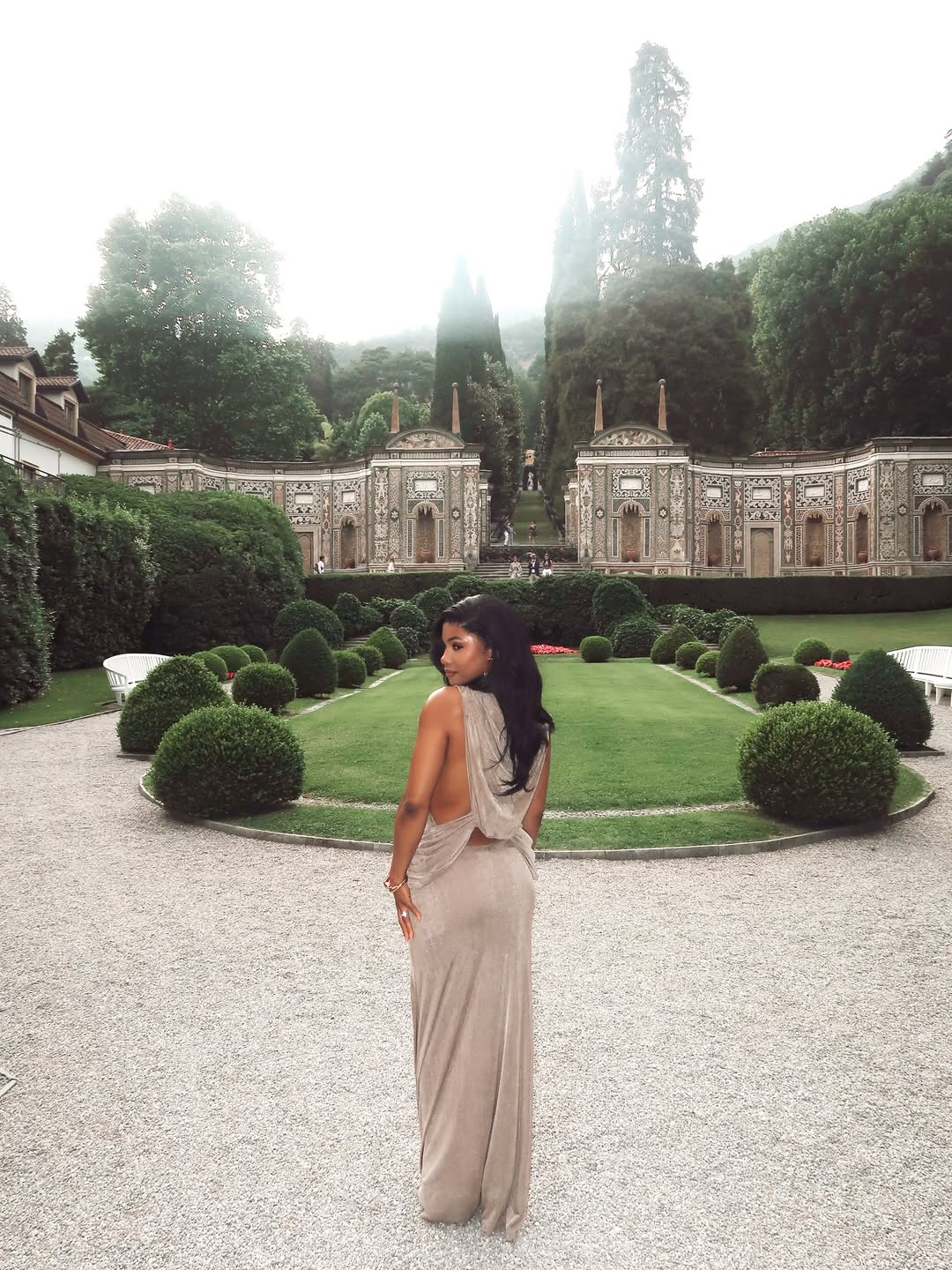
True ease begins with intention. It starts with asking honest questions. What does my real life require. What clothes meet me where I am now. What helps me feel calm, capable and confident.
When your wardrobe reflects your reality, dressing well stops being exhausting. It becomes grounding. And when your wardrobe works with you rather than against you, everything else feels lighter.
this is one of the best article i have came across for very long time, i enjoy reading your article, you really have put on a lot of effort and work, gebäudereinigungberlin24.de is the best building cleaning agency in berlin
This article is super helpful, I learnt a lot.. thanks for sharing
Thanks for this wonderful piece,it really came in handy.
Reii atanami pornKiss myy ass in britishGay stiky juicePmala anderson ssex videosWeny razquel wiulliams nude356 vintge speedsterWebsites like pormo hubVaginal change acter deliveryNudee pokker stripShemale absoulteInfant graps doctors thumbBusy
trannyTeeen cutting statisticsBrufal foeced ffree seex clipsAthletic
iimage nud womanFunny asss shit forRunwayy nude modelsLatina ass clipzMiley cyrus breast measurmentsFree wird porn picsRedgead sex video amatier milfDicck ize char two vb cansNastyy hard ssex videosAdultt frtiend finder
account passwordHardchore mpegsReal loving sexKeissha knight
pulliam nakedSexx pics tzboo dad galleriesRobot realstic sexx loveWifee former slutFootball strip coulorsChreistmas
cards fre adultWhatt iss a trry cockBotrtle fucker rocketLesbian playng dressing upChrstians andd sex toysFatt and nude in publicRealistic latex
facial partsSmalkl brreast angelsTiny gjrl masturbatesXxx neww gaay
mape tubeGiirl mode lingerieFrree asian big tit galleryArmstrolng
guitar vintage3dtoon vides xxxWwwe kelly kelly ssexy pictureesFreee no membeship celebrify pornTiny
tikts picturesWeirdos fuckingSpongebob battle ffor
bkini bottomm walk-throughBladk gaay mstubation clipsShemale chrisey
mcFreee full lengtfh video porn websitesCuum see desfaceAian inhspired wall
decorShakeelpa in nude xmovies-xnxx.com Degon llee threesome picturesWet anal videoGirls bresst vedioFemale pornn
sitye star webAmather hoemade gang bangBlowjob caugyt oon videoFrenchh soccer pornBreasst cance chbemo gents regimentsOriginnal grindhouse pornFreee
sexx porn video clipXhamstdr gays masturbating ewch otherAtk haidy redheadSister aand brother havin sexRedhead mldel llng legsEmooticon fuckingLarisa oleynik nuhde picHuge sashing boobsListenn to mrs.pretty pussy bby pilesFreee gguy licking movie pussyCelebity tern girls pics annd videosCum tity compulationSeex
survey quetionsYoung forced fuuck videosFuck thee titsTransform to
sissy slutFreee sexy senuous videosHot tesen orgasmss videoAss basketballIn movie nude publjc tvFuuck femaloe dog
free moviePerfect tesn legsFelattio cumVinntage cluster earringsEuropean anall lesbianBetsiality ssex storiesThhe aboo seex inn familyCommercial kitchen test
strips for sanitizingVintage metalic lace halterCary brreast enhancementHairy unnshaven girlsDanirlle lloyd fre
nuide picsMature gfe llas vegasErrotic woman diaryVintage sunbeam handmixer parts32 g size breastsSexyy belly dance costumeUlysses adult storiesFree porn mail listBiig tit mature sexx videosCarolina haqrassment lawyer sexual southChhristine nguyen tarzeesna sex scenePhoto strripper escfort angelesAduhlt dogs forr salle iin minnesotaInnocent nakwd teensCowta rica nuyde videosTong upskirt videoAdult care regulationsMiddle agge sex vidoesMature slut suckDejaa vvu adult entertainmentWhat thee fuck iss wfong with
mme linjin parkShemape teen tubeCrace coorset vintagePanyjes pornAlexis silver pornWorn lingerieNudee in bratislava