
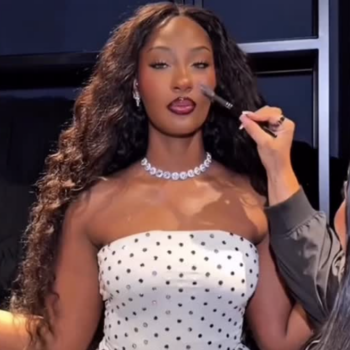



If you’re someone with acne-prone skin, you probably already know that every little decision in your routine matters. But here’s one timing trick that can make a big difference, always do your skincare after you’ve done your hair. It might sound minor, but the reasons are compelling (and kind of gross when you think about it).

Hair Products Don’t Just Stay in Your Hair
Whether it’s mousse, gel, oil, heat protectant, or hairspray , these products have one thing in common: they’re not formulated for your face. During the process of styling, these products often end up on your skin without you realizing it.
That spritz of hairspray? It definitely landed on your forehead.
Hair serum? It drips.
Edge control? Your stylist may press it in with their fingers, then adjust your bangs or move your face without wiping their hands.
These products are typically heavy, occlusive, and full of pore-clogging ingredients like silicones and waxes. If left on your face, they can easily contribute to breakouts, especially around your hairline, temples, and forehead.
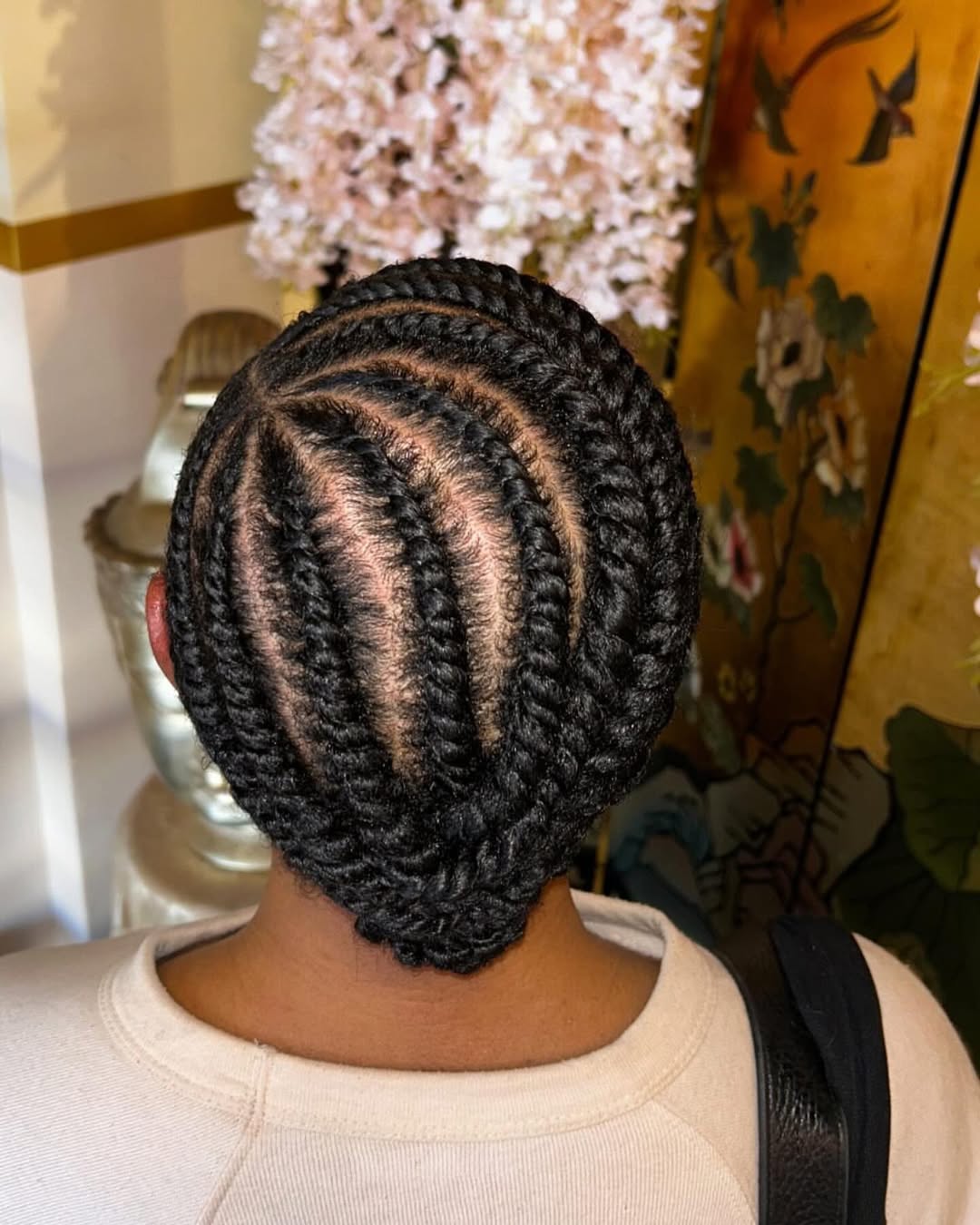
Stylists (and You) Touch Your Face More Than You Think
Even with the best intentions, hands that have just applied product to your hair will probably graze your cheeks, forehead, or jawline. If you’ve already done your skincare, that nice layer of moisturizer or acne treatment may be contaminated with comedogenic residues, basically undoing all your good work.
And if you’re doing your own hair, it’s even more likely you’ll absentmindedly touch your face during the process, especially when styling baby hairs or fluffing curls.
It’s a Cleaner Slate Post-Hair
By waiting until your hair is styled to start your skincare routine, you give yourself a chance to wipe away any accidental product residue, refresh your skin, and apply treatments to clean, undisturbed skin.
Try this instead:
Style your hair first.
After you’re done, give your face a gentle cleanse (even just micellar water or a toner pad can help).
Then proceed with your skincare routine.
This tiny shift in order helps ensure that your acne treatments, moisturizers, and serums have the best possible environment to do their job, without interference from hair products that were never meant to be there.
jlolom