
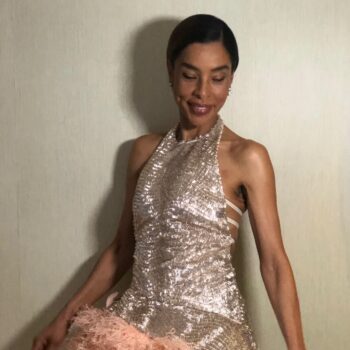
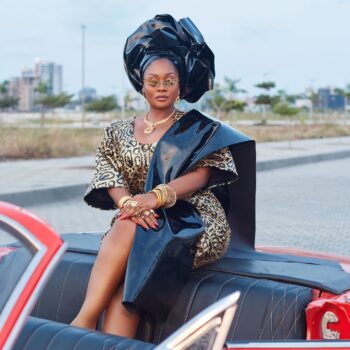
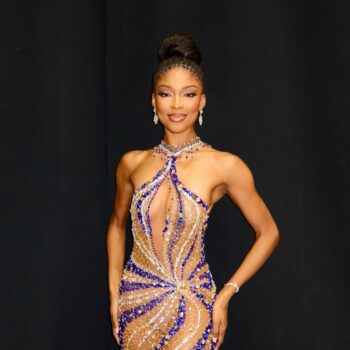
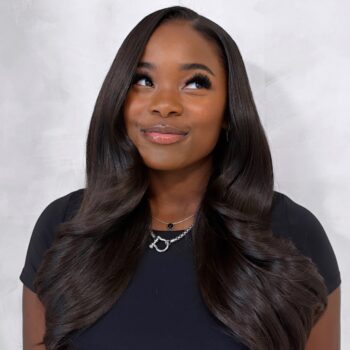
Damilola Deborah Aminat Adesina, better known as Arike Alaso, is a fabric seller who has made herself one of the most closely followed explainers of aso ebi. On TikTok she breaks down fabrics, pricing, styling and the unwritten etiquette of the owambe, and she does it with the confidence of someone who has been paying attention for years. She is a first-generation seller in an industry built by generations of market women whose knowledge was rarely written down, and she has set herself the task of writing some of it down.
She has two nicknames that stick closely; first is Awoyaya Beyonce, and the other is Arike Alaso. Arike came to her late. For most of her life, she did not know her oríkì, the Yoruba praise name that condenses a person’s lineage and character into a single phrase. Then she met the man who would become her husband, and he asked what hers was. In his family, she explains, using a partner’s oríkì as a pet name was “quite a thing,” a way of making you feel special, of pacifying you, of making you feel loved. She had no answer, so she took the question home to her parents, who took it to her grandmother. The reply was Arike. Everyone at her in-laws’ house began calling her by it, and she loved the sound. “It felt personal, special and very much like me.”
When the time came to name her business, she knew what she did not want. Nothing English, nothing “too mainstream.” Arike Alaso did, in two words. Today, we sit with Arike Alaso to discuss the business of fabrics, how she got into it, and the joy she’s gotten by documenting this otherwise undocumented part of aso ebi and building a community through it.
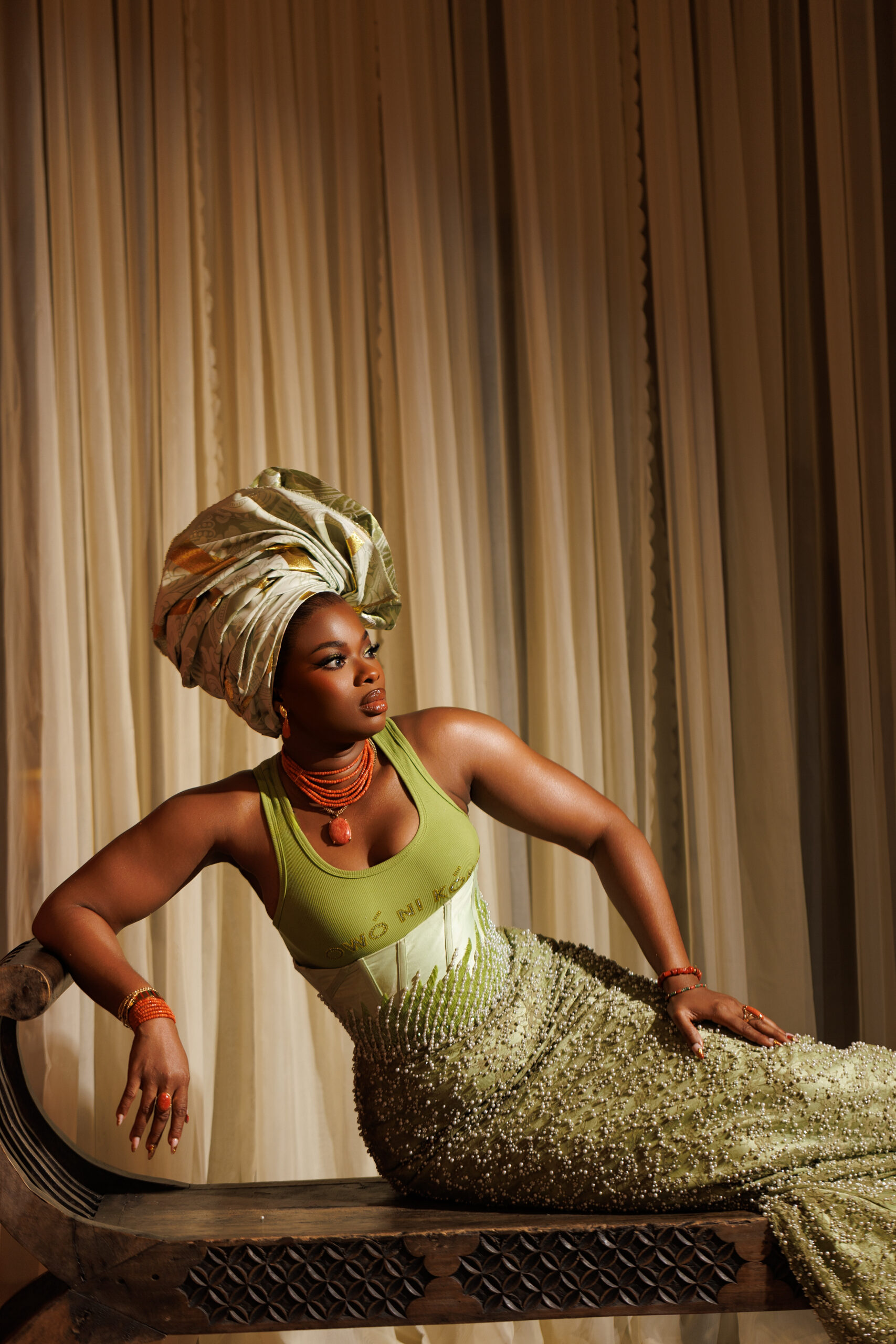
How did your journey with aso ebi begin? What inspired you to start documenting, breaking down and sharing your knowledge of aso ebi fabrics and styling on TikTok?
My journey with aso ebi really started with my fascination with how important it is to our culture, particularly as Yoruba people. One of the things that attracted me to the business in the first place was the entire party culture surrounding aso ebi. I was fascinated by how people showed up for celebrations, how they dressed, the fabrics they chose, how the aso ebi was distributed and even the entire experience of being part of a celebration.
Interestingly, at the time, I didn’t have much access to attending parties myself. So I did a lot of observing. I would watch my mum, my friends and people on social media who attended these events. I’m naturally a very observant person, so I paid attention to the little details.
I was interested in everything: the fabrics, the pricing, the cost of participating in an aso ebi, the markups some people added, the souvenirs, how much people spent putting their outfits together and all the little things that went into making an owambe experience what it was.
Some of these things I didn’t fully understand until I started engaging with the business and the industry myself. But here’s something interesting: I’ve actually been sharing this knowledge for years. When I started my business, I would write about these things in my product captions. I wasn’t necessarily making videos or positioning myself as someone who wanted to educate people. I was simply sharing what I knew and what I found interesting.
Then, as content creation became an increasingly important part of marketing the business, I decided to take some of the things I had been writing about in my captions and start talking about them on camera. And to the glory of God, people enjoyed listening!
So, in many ways, what people see today as my aso ebi commentary is really an extension of something I’ve been doing for five, six, maybe even seven years. The only difference is that I went from writing these thoughts in captions to having actual conversations with people through video.
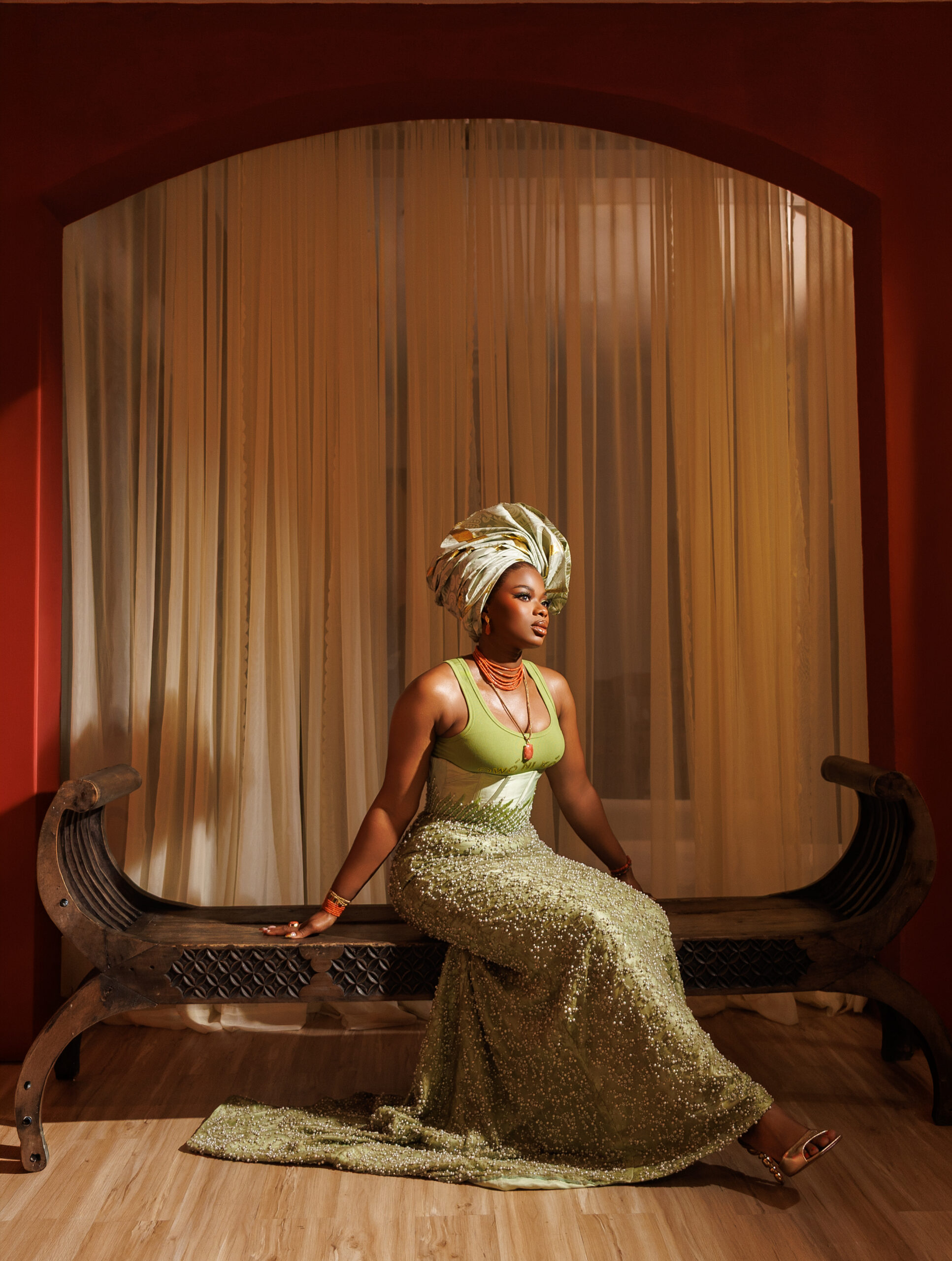
Aso ebi is a familiar part of Nigerian celebrations, but not everyone understands the thought, history and decisions that go into it. What first drew you to this side of Nigerian fashion, and what interests you most about the business?
I think what first drew me to the business was the possibility of building something that felt natural to me. Growing up, I struggled quite a bit with school, and although I eventually got my degree, I always wondered what I could build for myself that didn’t necessarily depend on how well I could perform academically. I realised that I was someone who learned more from observing and engaging with my environment than from simply reading and writing.
When I looked at the aso ebi industry, I saw generations of women, particularly our mothers who built successful businesses from the grassroots in markets like Lagos Island and Oshodi. Many of them created their own systems, sustained their families, built businesses and passed them on to their children, often with little or no formal education.
That fascinated me. It showed me that there was an entire ecosystem here, one with so much commercial value, history and business intelligence. I genuinely believe the industry is worth so much more than we currently understand, partly because of the lack of data and information available about it.
I’m a first-generation fabric seller, and I wanted to be part of that legacy. I wanted to contribute to an industry that has sustained generations of women and continues to create opportunities. Beyond the business, I have always loved fashion. I’ve always been interested in how people dress, how clothing communicates, and how what you wear can evoke a particular feeling or perception in the minds of people who see you.
My mother was more inclined towards English and corporate fashion, but I wanted to explore fashion from a more traditional perspective. I wanted something that connected with my roots and my love for Yoruba culture. So, for me, aso ebi brings together two things I genuinely love: fashion and the business of culture.
You’re known for your personal style as much as you are for your aso ebi commentary. How would you describe your style, and how much does your personal fashion taste influence your approach to aso ebi?
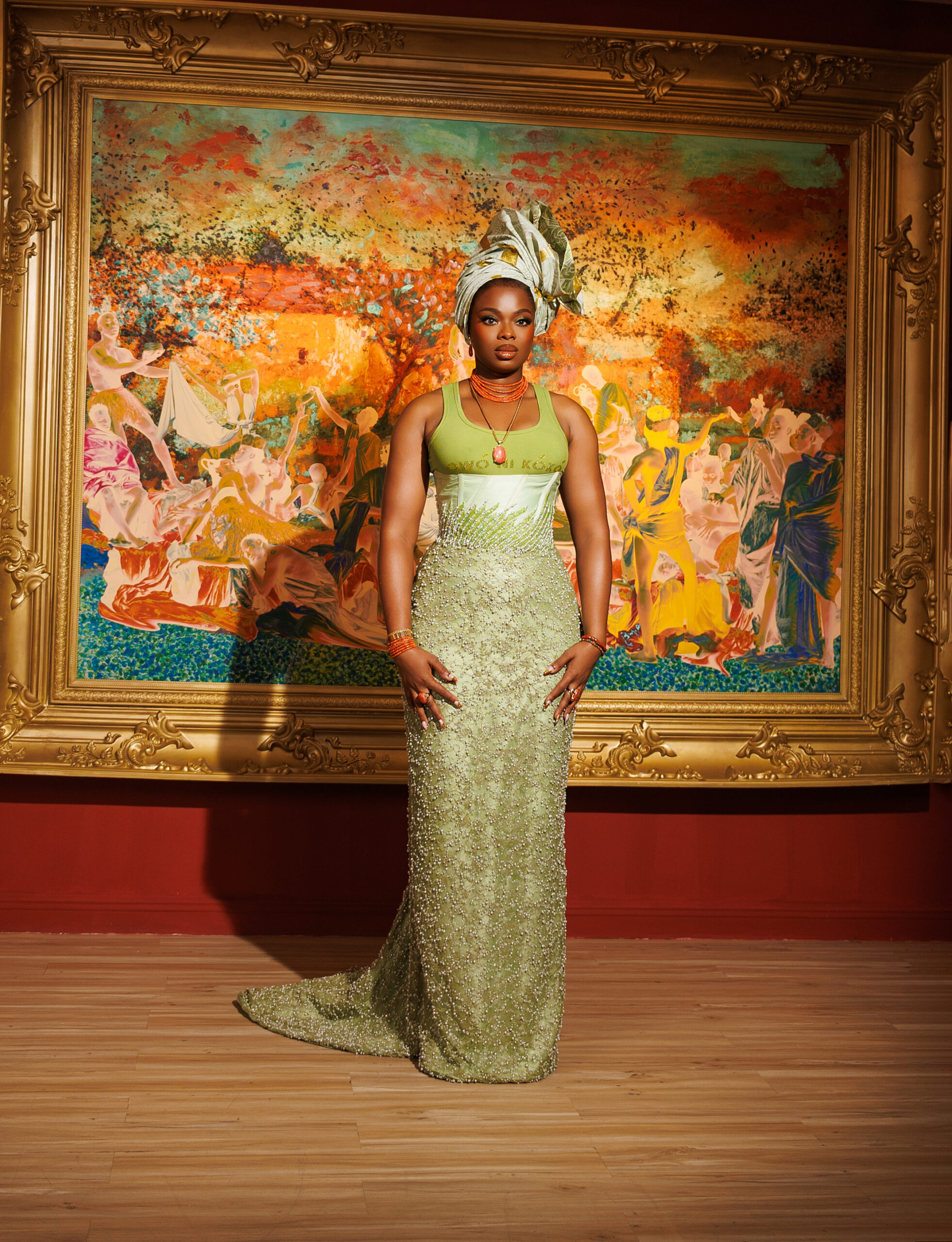
I would describe my personal style as classic, chic and intentional. I love looking good, I love fashion, and I’m very particular about how I present myself, but I also believe in understanding the occasion and dressing appropriately for it.
One thing I’m quite particular about is cultural appreciation and staying true to the cultural context of what I’m wearing. When I’m attending an owambe, for instance, my philosophy is to put my best foot forward without necessarily doing too much.
I have this theory that if you’re not the celebrant and you attend every owambe trying to look like the celebrant, you’re already doing too much. There’s also that saying that you can never outshine the celebrant. So, after putting in all that effort, what happens on the day when it’s actually your turn to be celebrated? I look forward to the day I have my own grand celebration, whether it’s a wedding or perhaps an owambe-themed birthday. That’s when I’ll happily do and overdo!
But until then, I enjoy looking beautiful, polished and well put together without feeling the need to compete with the celebrant. Of course, I understand that aso ebi can sometimes feel like a red-carpet event, particularly for people like me who work in the fashion and aso ebi industry. There’s an expectation to show up and make a statement. But I try to strike a balance between expressing my personal style, respecting the occasion and staying true to what it means to participate in our culture.
I think my personal taste influences my approach to aso ebi in the sense that I appreciate versatility. I love seeing how people interpret the same fabric differently and how something traditional can be styled in a way that still feels modern, personal and reflective of the individual wearing it.
For someone who wants to understand aso ebi beyond simply buying fabric for an occasion, what should they know? Are there things about fabric quality, pricing, sourcing, weaving or styling that you wish more people understood?
I think one of the biggest things people need to understand is that you have to look beyond the price tag. Sometimes, you can find an incredible bargain, and there are ways to navigate the market and find beautiful, less common options without necessarily breaking the bank. I also think exclusivity is sometimes overrated. You don’t always have to buy the most expensive or rarest fabric to achieve something beautiful.
For me, it starts with personal style, particularly if you’re the celebrant. Your personal taste should influence the kind of aso ebi you choose. You could decide to go with brocade, crepe, beaded lace, ruffled lace or even aso oke if you love African fashion and want something more traditional. But whatever you choose will ultimately influence your pricing and sourcing decisions.
The next consideration should be the pockets of the people you’re asking to buy it. You want to choose something you love, but you also have to be mindful of what your friends and family can reasonably afford. A little market research will help you understand your options, compare prices and make more informed decisions.
I also wish people understood that there is no fixed template for choosing aso ebi. Almost every trend we celebrate today started because someone tried something different, it worked, people loved it and eventually others followed.
So, you don’t always have to replicate what you’ve seen online or choose something simply because it’s trending. If something is authentic to your personal style, you love it and it represents the kind of celebration you want to have, then it makes sense.
It doesn’t have to go viral to be a good choice. Ultimately, the goal is to find that balance between your personal style, the quality and value of the fabric, and what your guests can afford. That, for me, is what makes a good aso ebi decision.
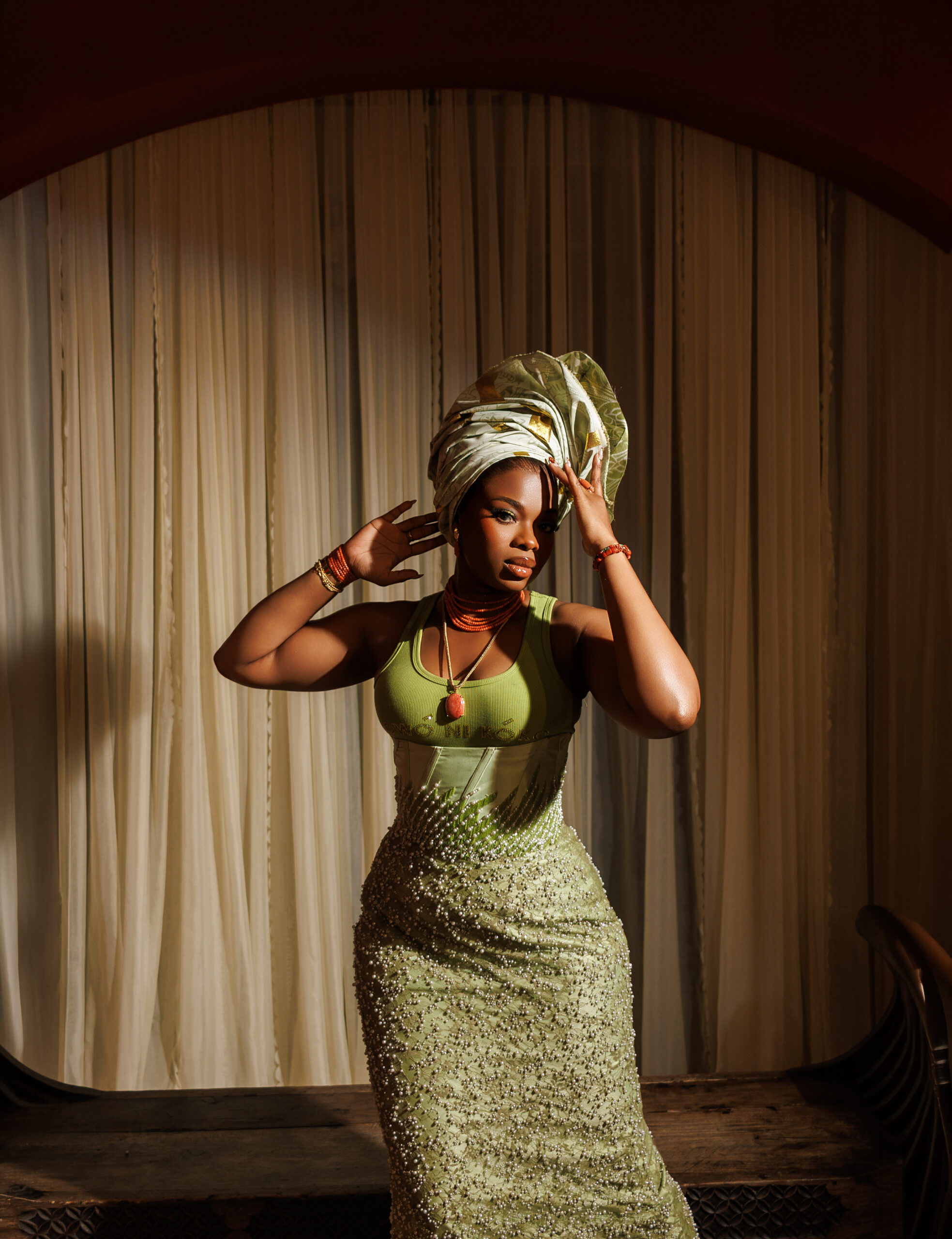
Aso ebi has evolved considerably, from the fabrics people choose to how they interpret and style them. What are some of the biggest changes you’ve noticed in recent years, and are there trends that have particularly caught your attention?
One of the biggest changes I’ve enjoyed watching is the rise of customised aso ebi. People are becoming more intentional about having fabrics that are unique to their celebrations.
Sometimes, it’s taking an existing fabric design and producing it in a different colour combination that isn’t readily available in the market. Other times, people go as far as developing an entirely new design from scratch. I love that because it gives celebrations a sense of individuality and makes the fabric feel more personal to the event.
Another interesting development is how young women have created their own identity within the aso ebi market. Growing up, our mothers and older women were largely the ones setting the trends. But as we’ve grown older, we’ve started creating trends that speak to our own generation. We’ve developed different preferences and interpretations of fabrics, and that has opened up an entirely new market.
For instance, while our mothers may gravitate towards guipure, voile laces, hand-cut and laser-cut designs, younger women have embraced fabrics like brocade, beaded laces and more unconventional interpretations of lace. We’re seeing ruffled beaded laces, brocades with metallic finishes, matte finishes and different textures and structures.
I think it’s fascinating because it allows different generations to have their own identities within the same culture. Our mothers can enjoy the fabrics and styles they love, while younger women can experiment with something that feels more contemporary and reflective of their personal taste.
We’ve also seen increased interest in fabrics like damask and different variations of brocade. All of this has expanded the options available in the market and created opportunities for new trends, new products and new ways of expressing ourselves through aso ebi.
I think that’s one of the beautiful things about the evolution of aso ebi: the culture remains, but the way we interpret it continues to change.
Your content has created a community of people who are genuinely interested in aso ebi fashion and Nigerian style. What has building that community been like, and what do you think makes people connect so deeply with culture?
Interestingly, I didn’t intentionally set out to build a community. Last year, when I briefly lost my social media page for a couple of days, I realised how important it was to build something beyond just having followers. I remember saying I wanted to build a community, but I didn’t have any structure or strategy around it at the time. I was simply creating content and sharing things I found interesting. I love that people can come to my page not just to discover fabrics but also to learn, share experiences and engage with our culture.
I think what makes people connect so deeply with culture is that it’s part of our identity, our heritage and, in many ways, our social DNA. Yoruba culture, in particular, is so colourful, bold, expressive and full of life. There’s so much to be fascinated by, and I think people naturally want to understand and connect with something that gives them a sense of belonging.
There are so many aspects of Yoruba culture, but I’ve found my own little corner in aso ebi. It’s such a broad subject that there are always stories to tell, whether about its history, how it has evolved or what the future looks like.
I also feel strongly that, as young Africans and Nigerians, we have a responsibility to tell our own stories. We shouldn’t always leave the documentation and interpretation of our cultures to people looking in from the outside. There’s a certain depth of understanding that comes from actually living a culture, experiencing it and being part of it.
I’ve been fascinated by this aspect of our culture for as long as I can remember, and I want to be part of documenting it as it should be told, without it being watered down, exaggerated or misconstrued.
For me, it’s bigger than fabrics and fashion. It’s about preserving something that is part of who we are and making sure we have our own stories to pass on to future generations.
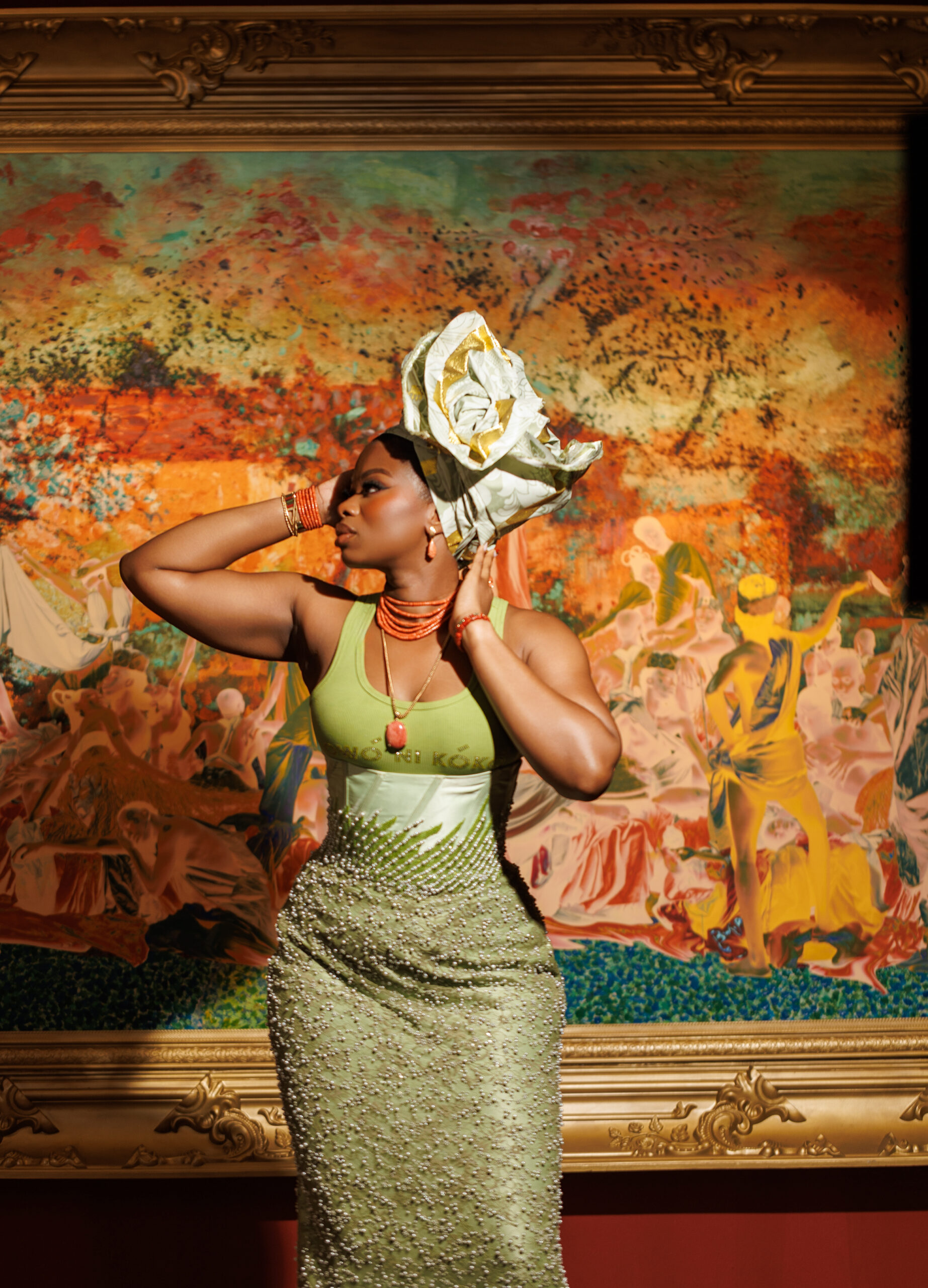
Aso ebi can sometimes attract conversations about high costs, social pressure and the expectations that come with attending celebrations. How do you think we can preserve the beauty of the tradition while making it more inclusive and accessible?
I think a lot of it comes down to consideration on the part of the celebrant. Whenever people come to me for aso ebi consultations, one of the first things I advise them to do is understand their guests and what they can realistically afford. You don’t necessarily have to choose what everybody likes, but you should be considerate of what people can afford.
I see it almost as a social responsibility. If you’re inviting people to celebrate with you, you should make an effort to ensure that participating in your celebration doesn’t become a financial burden.
There are several ways to achieve this. You could offer two different aso ebi options: perhaps a more expensive fabric for guests who can afford it and a more affordable alternative for those who can’t. If you’ve chosen an expensive fabric, you could also allow people to purchase fewer yards rather than insisting on the traditional five yards.
Another option is to simplify things altogether. You could have a colour-themed aso ebi where guests are encouraged to wear something they already own in a particular colour. You could provide gele as an additional option or simply allow everyone to interpret the dress code in their own way.
I also think we need to be mindful of the social pressure we place on people. Statements like, ‘Don’t come to my party if you haven’t bought the aso ebi,’ can take away from what the celebration is supposed to represent.
At the end of the day, I don’t think we need to lose the beauty of aso ebi to make it more accessible. We just need celebrants to be more intentional and considerate about how they involve people in their celebrations. For me, it starts and ends with consideration.
If you could change one thing about the way aso ebi is currently practised and commercialised, what would it be?
I would love to see a more sustainable approach to aso ebi. And I know that might sound like I’m speaking against my own business, but I genuinely think we need to become more intentional about how we consume fabrics.
Sometimes, the expectation is that you have to buy new aso ebi for every celebration, and I don’t necessarily think that’s sustainable, either financially or environmentally.
I’ve personally had to rethink my approach to this. There was a time when I would make aso ebi outfits that I knew I probably wouldn’t wear again. But as I’ve grown older and become more conscious of financial responsibility and sustainability, I’ve started making more practical choices. I now think about how I can style an outfit differently, wear it to another event and get more value out of the fabric.
I also think we need to remove the social pressure around repeating aso ebi. If someone buys a beautiful fabric for one celebration and another celebrant happens to choose the same colour for their event, why shouldn’t that person be able to wear what they already own?
For instance, if someone bought an onion-coloured aso ebi for one party and another celebrant announces onion as their colour theme, I don’t think it should be a social offence to wear that same outfit again! We need to normalise rewearing, restyling and getting more use out of the fabrics we buy.
I understand that aso ebi is also a business and an important part of our fashion economy, but I believe we can preserve the tradition while encouraging more responsible consumption. It’s important economically, and it’s important for the environment, too.
Ultimately, I’d love us to get to a place where buying aso ebi is still exciting, but wearing it more than once is equally celebrated.
On the other hand, what’s one thing about aso ebi culture you hope never changes, regardless of how much fashion, technology and society evolve?
For me, it’s the sense of community. I’ve actually done a content series about the aso ebi support/Supply chain, and one of the things I explored was how aso ebi goes beyond the fabric itself. It’s about the people, the relationships and the support that come with getting people together, dressed in the same fabric, to celebrate one person or one cause.
There’s something beautiful about your friends, family and community showing up for you, honouring your request and making the effort to be in one room to celebrate you. I think that’s the real essence of aso ebi. Beyond the beautiful outfits, the fashion and the commercial aspect, it’s the sense of belonging and solidarity that it creates.
And I hope we never lose that. Trends will change, fabrics will evolve and technology will continue to influence how we participate in celebrations, but I hope that the community, friendships and collective support that aso ebi represents will always remain.
Because ultimately, you may forget what fabric you wore to someone’s party, but you remember the people who showed up for you.
Looking ahead, what would you love to see for the future of aso ebi?
I would love to see more structure and systems within the aso ebi industry. I would love to see professional training, certifications and even degrees attached to the different aspects of the craft, so that people coming into the business have a clearer path and don’t feel as lost as some of us did when we started.
I would also love to see technology play a much bigger role, particularly in logistics, design, payments, delivery and documentation. We need better ways to document the processes, trends and evolution of aso ebi so that we’re not constantly starting from scratch or relying solely on people’s individual experiences.
I would love to see more concierge-style services that simplify the process for celebrants. Organising aso ebi can be quite stressful, and with better systems and technology, we can make the experience much easier, from selecting fabrics and creating designs to collecting payments and coordinating deliveries.
Ultimately, I want to see an industry that holds on to its roots and everything that makes aso ebi so fabulous, authentic and original, while embracing the enormous possibilities that come with structure, technology, innovation and professional development.
I don’t think evolution means losing our identity. I think it means building on what we already have and creating an industry that is easier to navigate, more efficient and full of opportunities for the next generation.