



If you have been thinking about adding clinical skin treatments to your beauty routine, one question is worth asking before booking your next appointment: how often should you actually get them? From chemical peels and microneedling to laser treatments and professional facials, each procedure works differently, and your skin needs the right amount of time to recover between sessions.
The answer depends on the treatment, your skin type, your concerns and the results you want to achieve. While some treatments can be done every few weeks, others require months between appointments. Here is a guide to help you understand the recommended timelines for some popular clinical skin treatments.
 How Often Should You Get Different Clinical Skin Treatments?
Chemical Peels
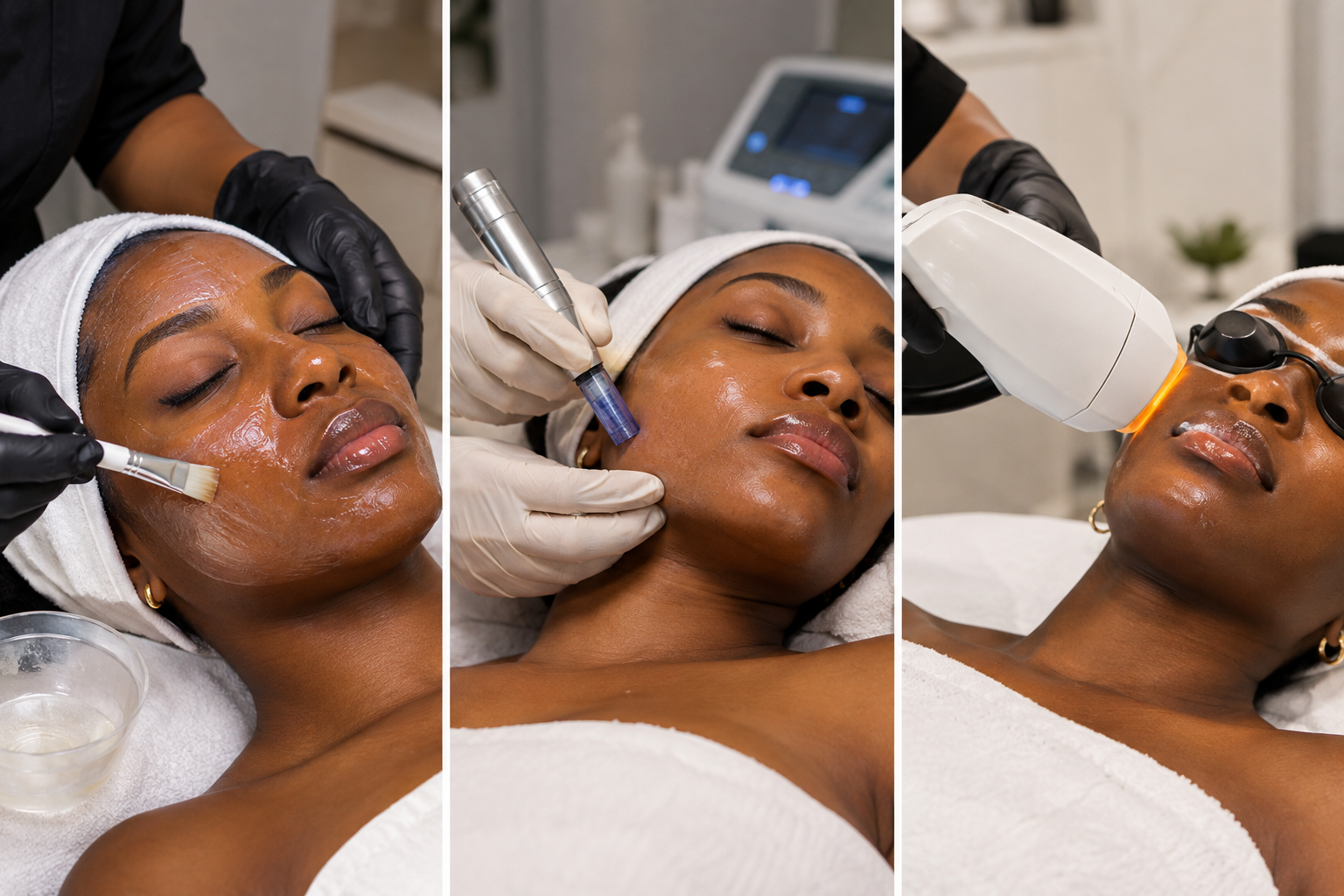
Chemical peels use exfoliating acids to improve skin texture, uneven skin tone, acne and the appearance of dark spots. The frequency depends on the strength of the peel. Superficial peels may be performed every two to four weeks when recommended by a qualified professional, while medium-depth peels require considerably more recovery time. Deep peels are much less frequent and need specialist supervision.
Microneedling
Microneedling stimulates collagen production and is often used to address acne scars, fine lines and uneven skin texture. Sessions are commonly spaced four to six weeks apart to allow the skin to heal and begin its repair process. Your practitioner may recommend fewer or more sessions depending on your skin concerns and the device used.
Laser Treatments
Laser treatments can target concerns such as pigmentation, acne scars, unwanted hair and visible signs of ageing. There is no single schedule for all laser procedures. Laser hair removal, for instance, often requires appointments several weeks apart, while treatments for pigmentation or skin resurfacing may need longer intervals. Your skin tone, the type of laser and the condition being treated all influence the schedule.
Professional Facials
Clinical facials, including some acne-focused and exfoliating treatments, may be scheduled every four to six weeks. However, gentler treatments may be suitable more often, while stronger exfoliation or treatments involving active ingredients may require longer intervals. Your aesthetician or dermatologist can help determine what your skin can tolerate without becoming irritated.
Skin Boosters and Injectable Treatments
Skin boosters are injectable treatments designed to improve skin hydration and texture. Their schedules vary according to the product, treatment area and individual needs. Some involve an initial series of sessions followed by maintenance appointments months later. Because these are medical procedures, they should only be performed by appropriately qualified professionals who can recommend a safe treatment plan.
Signs You May Be Having Treatments Too Often
More treatments do not necessarily mean better skin. If your skin is constantly irritated, you may be pushing it beyond what it can comfortably tolerate. Watch out for persistent redness, burning, unusual sensitivity, excessive dryness, peeling or worsening breakouts.
These symptoms are not always caused by treatment frequency alone, but they should not be ignored. Pause further procedures and speak to your dermatologist or treating professional if your skin is not recovering as expected.
How to Get the Best Results Between Appointments
Your skincare routine between clinical appointments matters just as much as the treatments themselves. Use a gentle cleanser, moisturiser and broad-spectrum sunscreen with SPF 30 or higher. Sunscreen is especially important after treatments that increase sensitivity to sunlight, including many chemical peels and laser procedures.
Avoid introducing several strong active ingredients at once, and follow your practitioner’s aftercare instructions. If you have a history of hyperpigmentation, keloid scarring, active skin infections or particularly sensitive skin, discuss these concerns before undergoing a procedure.
So, How Often Should You Book Your Next Appointment?
There is no universal schedule for clinical skin treatments. A superficial chemical peel may be repeated every few weeks, microneedling is often spaced four to six weeks apart, and certain laser or injectable procedures may require much longer intervals.
The best approach is to work with a qualified dermatologist or appropriately trained medical professional who can assess your skin, recommend suitable treatments and adjust the schedule as your skin responds. Consistency matters, but so does recovery. The goal is healthy, well-cared-for skin, not a calendar filled with appointments.
Featured Image: AI Generated procedures