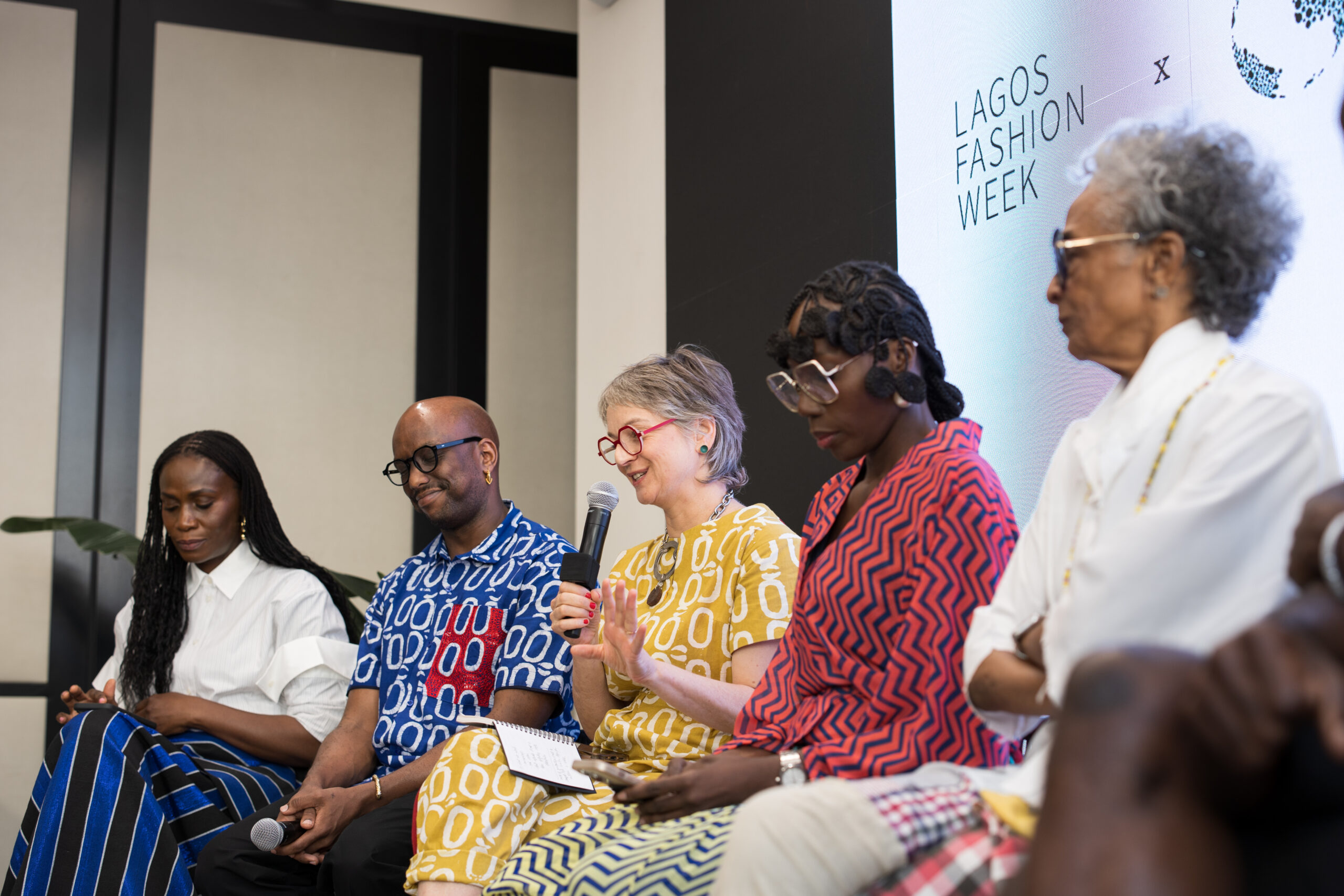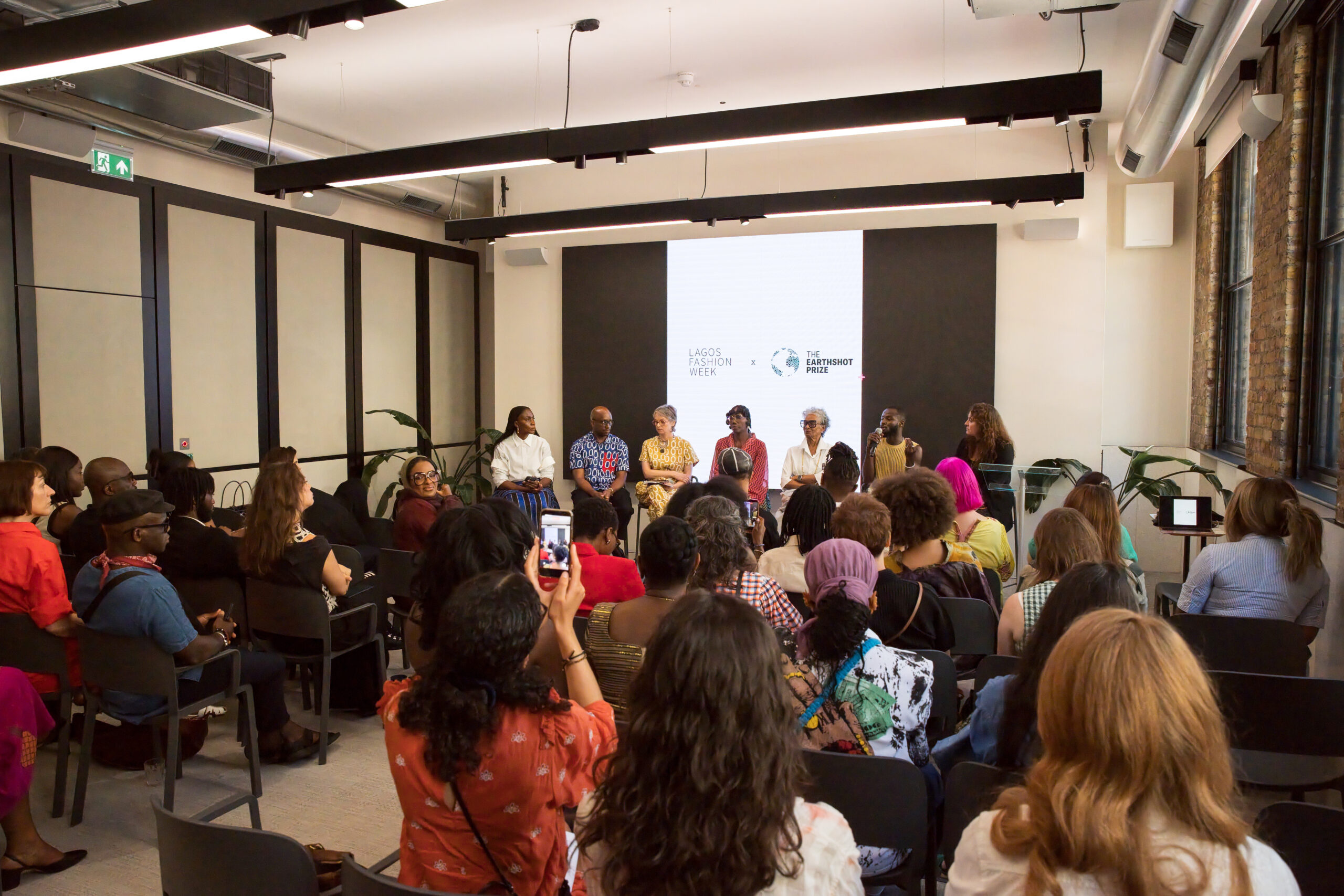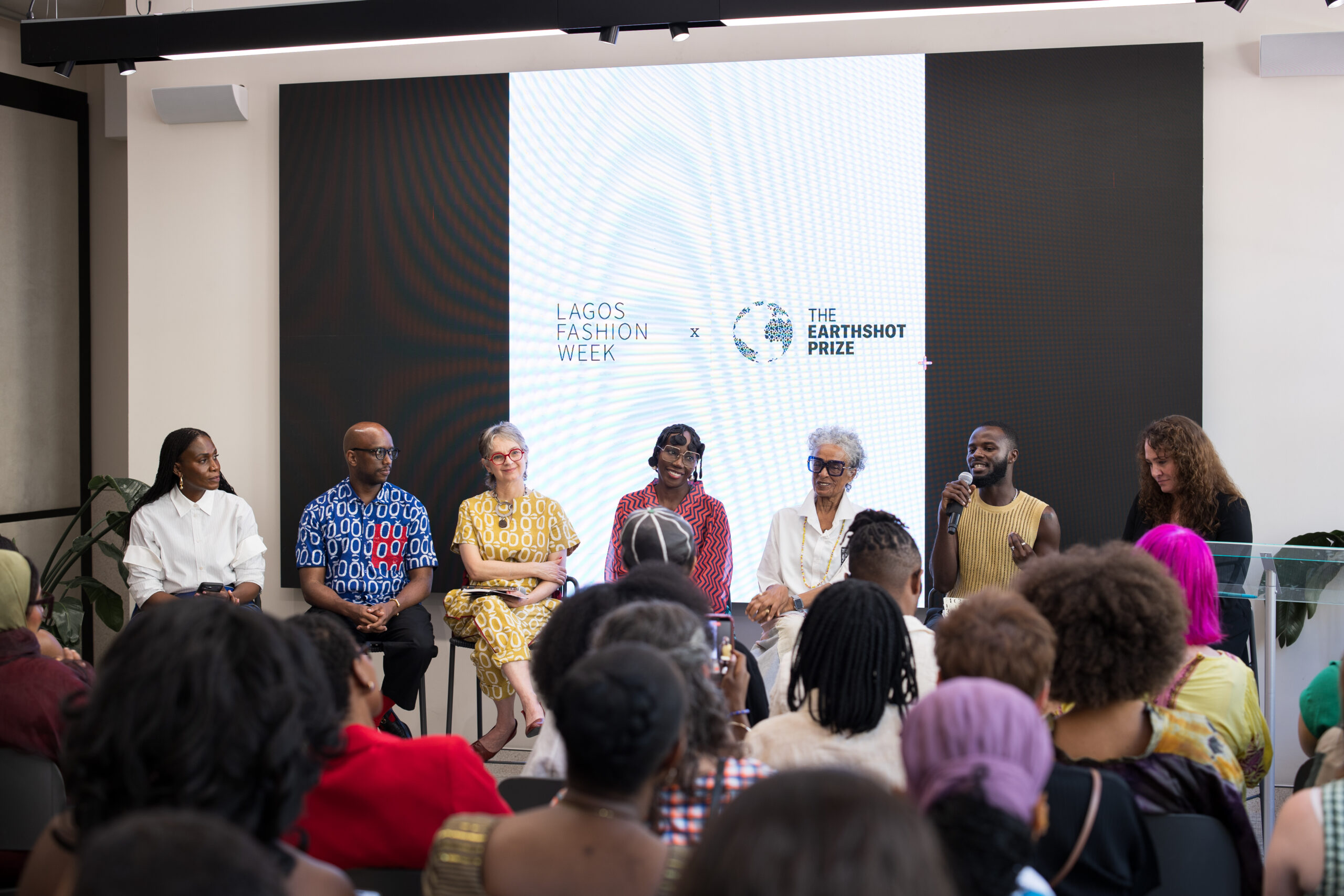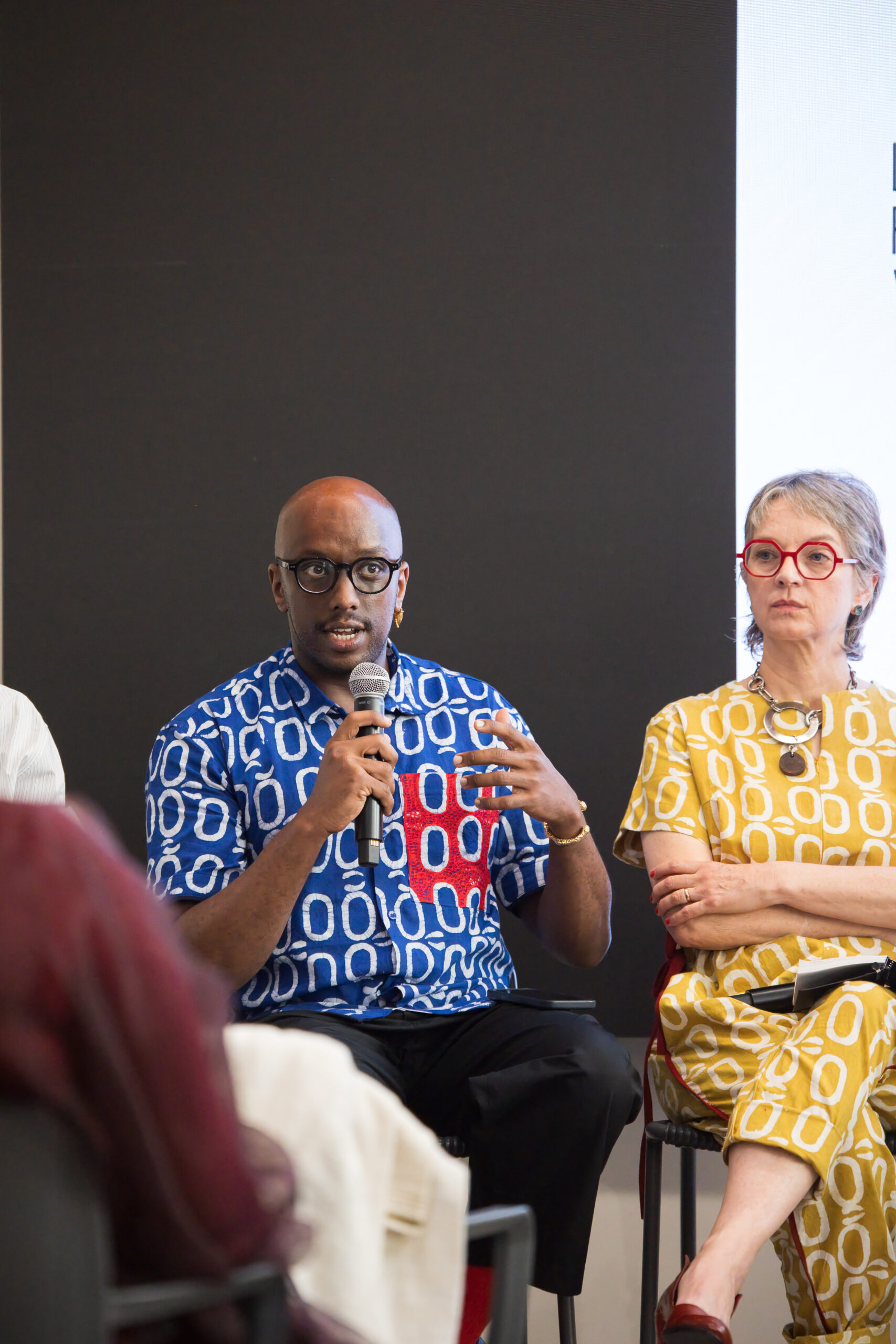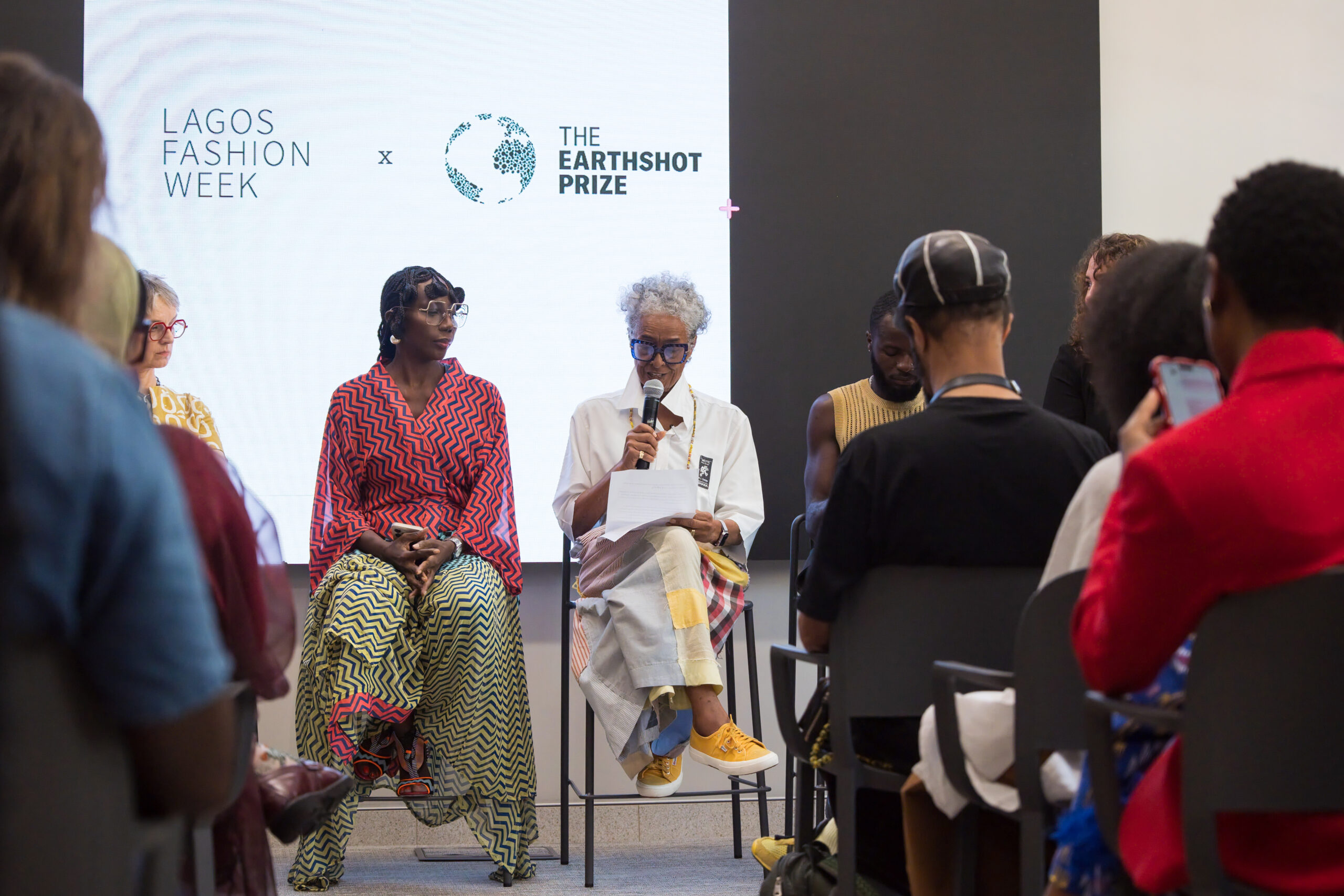




During London Climate Action Week, the 2025 Earthshot Prize winner unveiled The Blueprint for a Regenerative Fashion Future, the official manifesto of the African Fashion Coalition, developed in partnership with The Earthshot Prize. More than just a policy document, the manifesto presents a vision for an African-led fashion industry that is regenerative, inclusive and climate-responsive.
The launch comes at a critical moment as the global fashion industry continues to grapple with climate change, waste, inequality and unsustainable production practices. Rather than adopting solutions from elsewhere, the manifesto argues that Africa already possesses many of the answers. Drawing on generations of craftsmanship, circular production systems, indigenous knowledge and community-led innovation, it positions the continent as a leader in shaping the future of fashion.
At the heart of the manifesto is a call for Africa to reclaim ownership of the value it creates. While the continent has long supplied the raw materials, craftsmanship and creativity that power the global fashion industry, it has captured only a fraction of the economic benefits. According to the manifesto, Africa exports approximately US$15 billion worth of raw textiles annually while importing more than US$23 billion in finished clothing and footwear. Rather than viewing this as a talent gap, the coalition describes it as an ownership gap that requires investment in local manufacturing, infrastructure and equitable value creation.
The manifesto was developed through months of consultations, workshops and stakeholder engagements led by Lagos Fashion Week and The Earthshot Prize. It reflects the collective input of the African Fashion Coalition, a network of designers, sustainability advocates, educators, researchers, artisans and entrepreneurs working to build a more resilient fashion ecosystem across the continent.
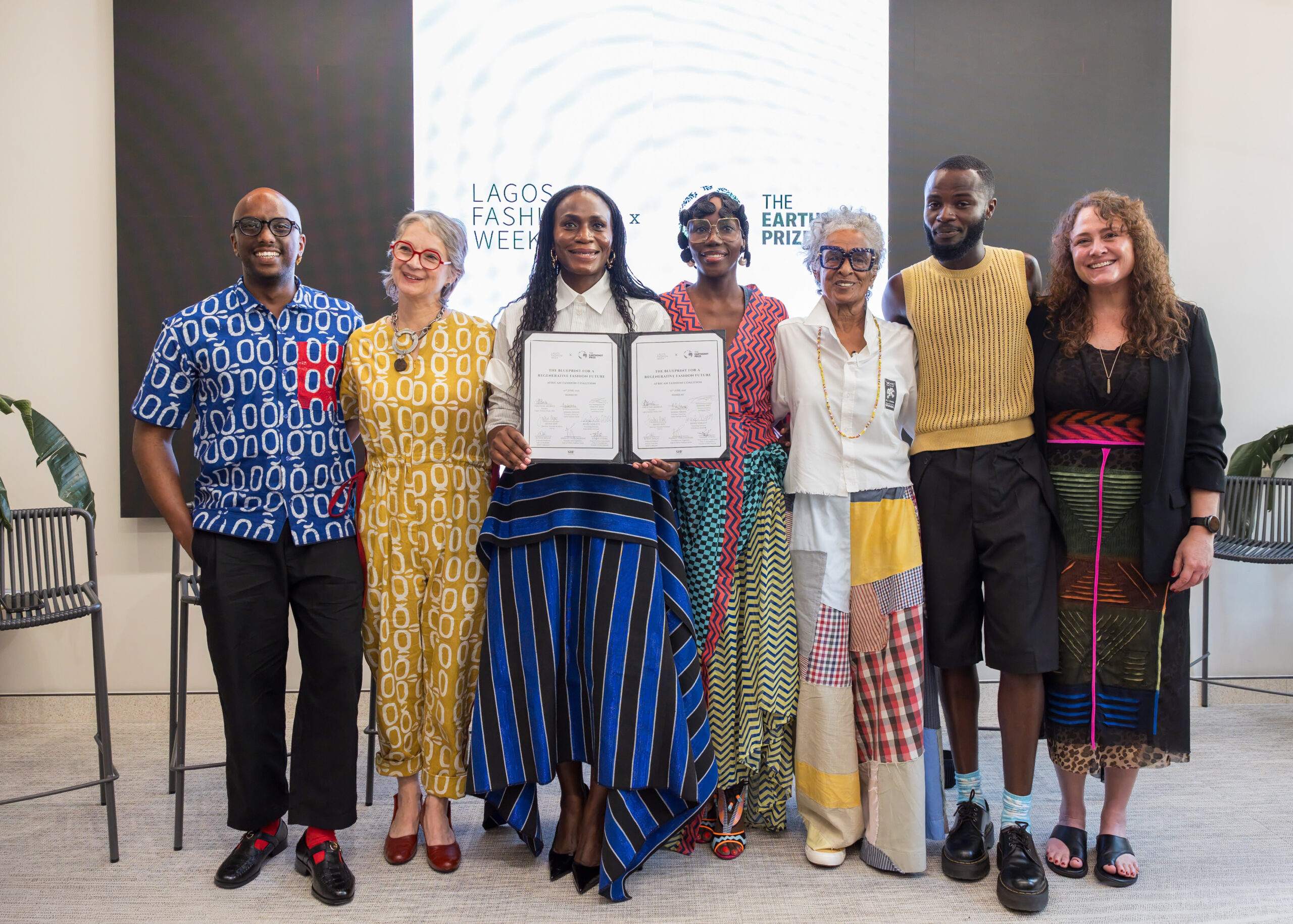
Among those who contributed to the Manifesto Lab are Omoyemi Akerele, Founder and Executive Director of Lagos Fashion Week; Simone Smit, Director of Africa at The Earthshot Prize; Jackie May, Founder of Twyg; Adama Paris, Founder of Dakar Fashion Week; Mahlet Teklemariam, Founder of Hub of Africa Fashion Week; Liz Ricketts, Founder of The OR Foundation; Renee Neblett, Founder of Kokrobitey Institute; and Sunny Dolat, researcher and sustainable curator at The Nest Collective.
Structured around ten interconnected pillars, the blueprint focuses on cultural heritage, circularity, inclusive prosperity, intellectual property protection, waste justice, local manufacturing, regenerative innovation, market access, infrastructure development and conscious consumption. Together, these pillars provide a roadmap for strengthening Africa’s fashion ecosystem while ensuring long-term sustainability and economic growth.
Speaking at the launch, Omoyemi Akerele said the manifesto reflects a shared vision rooted in African realities.
She explained that for generations Africa has supplied the materials, craftsmanship and creativity that shape global fashion while receiving little of the value created. According to her, the manifesto recognises that the challenge is not a lack of talent but a lack of ownership, and calls for greater investment, infrastructure and equitable value distribution to ensure African ideas, labour, materials and culture generate lasting wealth on the continent. She added that the blueprint is ultimately a commitment to collective action and to shaping the future of fashion together.
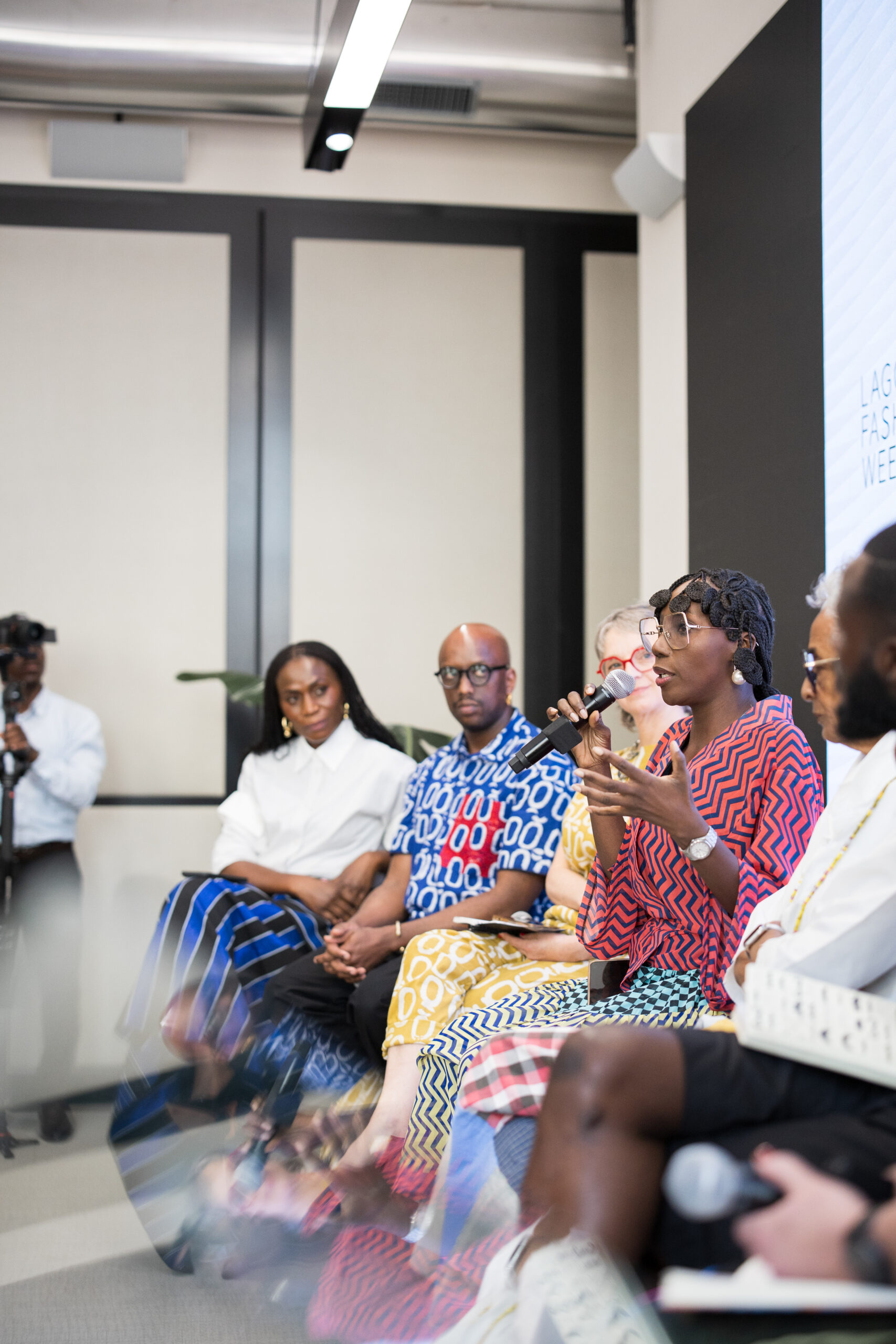
Simone Smit, Director of Africa at The Earthshot Prize, also highlighted Africa’s growing leadership in sustainable innovation. She said the continent is not simply participating in the global environmental movement but helping to lead it, adding that Lagos Fashion Week’s collaboration with industry leaders demonstrates that the most impactful solutions are those rooted in local knowledge and driven by the communities closest to the challenges.
The Blueprint for a Regenerative Fashion Future is now open for endorsement, with Lagos Fashion Week inviting designers, organisations and members of the wider fashion community to read, sign and join the coalition in bringing its vision to life.