



Let’s be honest: the beauty world moves fast, and sometimes your wallet just can’t keep up. And Therein lies the appeal of dupes. They slide in with their soft-voice promises: lower prices, similar results, and a chance to try something new without financially committing your entire chest. And for many people, that’s the biggest draw. The affordability factor can open doors. Dupes make it easier to try categories you’ve never touched before – primers, setting sprays, even niche complexion products.

When something isn’t ten thousand naira a pop, you’re far more likely to experiment, figure out what works, and later trade up if you want to. Lower cost of entry genuinely helps people expand their routines.
But that’s only half the story.
There’s a growing conversation about what dupe culture means for the industry. If every new product is essentially a dupe of a dupe, where does true innovation go? What happens to the brands that actually invest in research, testing, and artistry? Many founders put in years of work to create formulas that push beauty forward. Dupe brands often capitalise on that work without contributing anything groundbreaking in return. It’s the uncomfortable shadow side of the trend.
Then there’s consumerism. While it feels fun and harmless to score a cheaper alternative, the culture around dupes can encourage a never-ending cycle of buying just because it’s “close enough” to something viral. More production, more waste, and more impulse purchases that you might not even need. Affordable shouldn’t mean disposable.
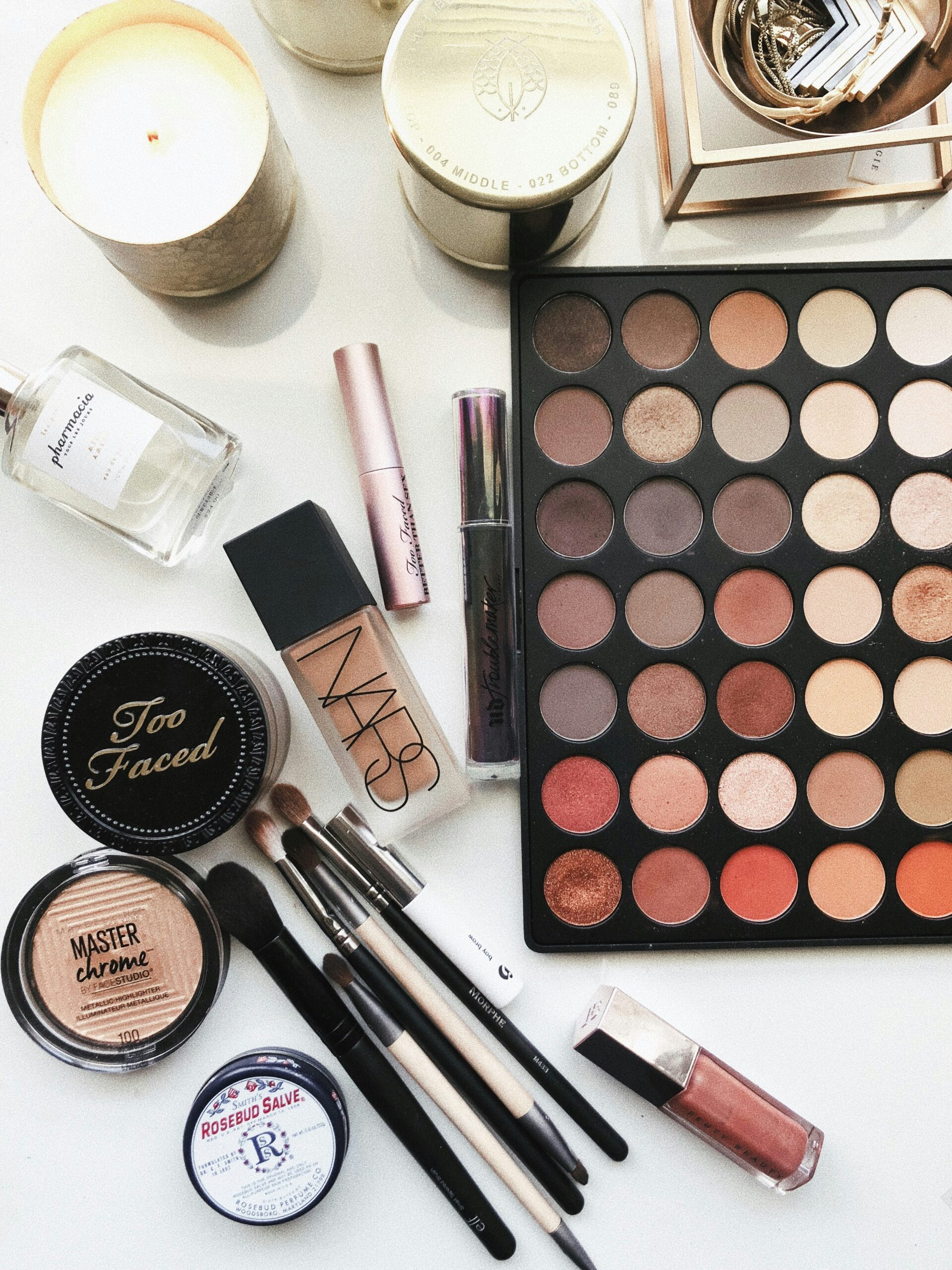
Now, let’s talk skin. A lower price point doesn’t automatically mean low quality. Some dupes genuinely perform well and offer great value. But the flip side is that ingredients, transparency, and ethical practices vary widely. A product might look identical online yet feel completely different on your face. You also want to be mindful of potential irritation, inconsistent formulas, or unclear sourcing.
So should you buy beauty dupes?
You should consider them if you’re on a budget, testing new shades, or exploring unfamiliar categories. They’re a smart way to play without overcommitting. But you need to pair the excitement with caution. Read ingredients. Pay attention to how your skin reacts. Be mindful of the brands you’re supporting and the volume of products you’re consuming.
Dupes are not the enemy. They’re simply a tool. Use them intentionally, not impulsively. And remember, the point of beauty isn’t to collect products. It’s to curate a routine that works for you.
I loved as much as you will receive carried out right here The sketch is tasteful your authored subject matter stylish nonetheless you command get got an edginess over that you wish be delivering the following unwell unquestionably come further formerly again as exactly the same nearly very often inside case you shield this hike
Just wish to say your article is as surprising The clearness in your post is just cool and i could assume youre an expert on this subject Fine with your permission allow me to grab your RSS feed to keep updated with forthcoming post Thanks a million and please keep up the enjoyable work
Your blog is a breath of fresh air in the crowded online space. I appreciate the unique perspective you bring to every topic you cover. Keep up the fantastic work!
Pembahasannya mantap banget , jelas dan gampang dipahami.
Your blog is a constant source of inspiration for me. Your passion for your subject matter is palpable, and it’s clear that you pour your heart and soul into every post. Keep up the incredible work!
I was recommended this website by my cousin I am not sure whether this post is written by him as nobody else know such detailed about my trouble You are amazing Thanks
Wow wonderful blog layout How long have you been blogging for you make blogging look easy The overall look of your site is great as well as the content
Bahis, Avrupa’nın ve ülkemizin en popüler bahis platformlarından biridir. Çeşitli avantajları ile dikkat çeken bu site, bahis sektörünün en gözde platformlarından biri haline gelmiştir.
jjcdm8