

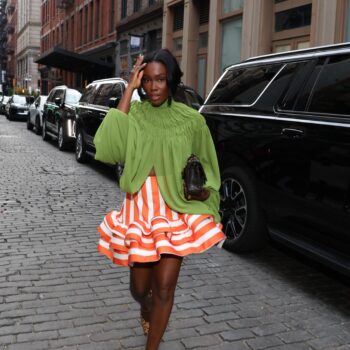
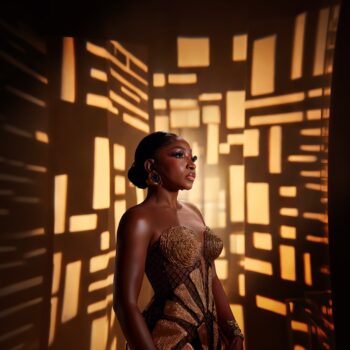
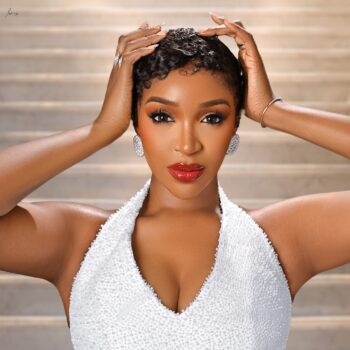
Lagos Fashion Week recently concluded, and the industry discourse has centered on the usual talking points: the craftsmanship, the emerging designers, the celebrity appearances. And rightfully so, because the talent on display was extraordinary.
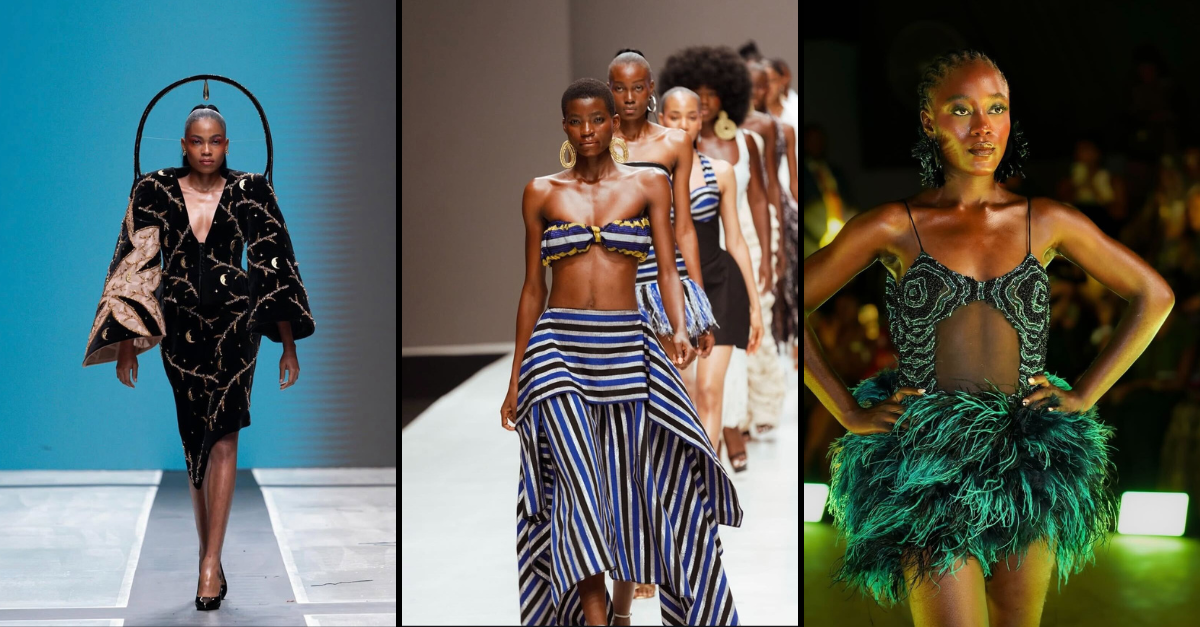
Hertunba brought their signature architectural silhouettes, playing with volume and texture in ways that felt both avant-garde and deeply rooted in African aesthetics. Sevon Dejana delivered a collection that blurred the line between art and wearability, each piece a structural statement. Onalaja showcased designs that celebrated bold colors and fearless combinations, reminding us why African fashion continues to influence global trends.
 Then there was Ciara, making a cameo that had social media in a frenzy. The international star walking a Lagos runway felt like validation, a moment of global recognition for what those of us paying attention have always known: Lagos is a fashion capital, not an emerging market.
The clothes were stunning, innovative, boundary-pushing. The craftsmanship was impeccable. The creative direction was flawless.
But that’s not what stopped me in my tracks.
What struck me most was something rarely discussed in fashion commentary yet desperately needed: authentic representation. In a show featuring approximately 25 women, Lagos Fashion Week managed to accomplish what major fashion weeks across the globe consistently fail to do. They found 25 melanated women who didn’t look the same. And in their beautiful, distinct differences, I could see myself in all of them.
The Illusion of Inclusion: Representation Without Range
The mainstream modeling industry has constructed a peculiar narrative around Black beauty, one built on tokenism masquerading as progress. For decades, it’s offered us “acceptable” versions of Blackness.
First came Iman, the Somali trailblazer who redefined what was possible but opened doors mostly for those who fit a specific East African aesthetic “exotic,” but palatable. Then Naomi Campbell, brown-skinned yet dark enough to tick the box marked Black, was positioned as the face for all of us; one woman tasked with representing an entire diaspora. The industry congratulated itself on inclusion while doing the bare minimum.
Now we have Alek Wek, Anok Yai, and Adut Akech dominating runways beautiful, talented, deserving of every opportunity. But here’s the uncomfortable truth the industry doesn’t want to acknowledge: they’re not celebrated as beautiful, period. They’re celebrated as beautiful exceptions to an unspoken rule. As if casting a dark-skinned African woman is an act of courage rather than standard representation.
Their success hasn’t expanded the definition of Black beauty; it’s simply created a new, equally restrictive box: Iman-adjacent, Naomi-adjacent, or Alek-adjacent.
Meanwhile, millions of Black women who fall outside these narrow templates remain unseen, our beauty deemed unmarketable, our presence erased from the story altogether.
The Lagos Difference
This is precisely what made Lagos Fashion Week so breathtaking. I indulged in recaps showcasing a true spectrum of melanin tones. I saw hair in its natural glory — textured, versatile, celebrated in all its forms. I saw body types that reflected the actual diversity of Black women, not the narrow industry standard.
These weren’t models chosen to fulfill diversity requirements. The representation felt lived-in, authentic, complete.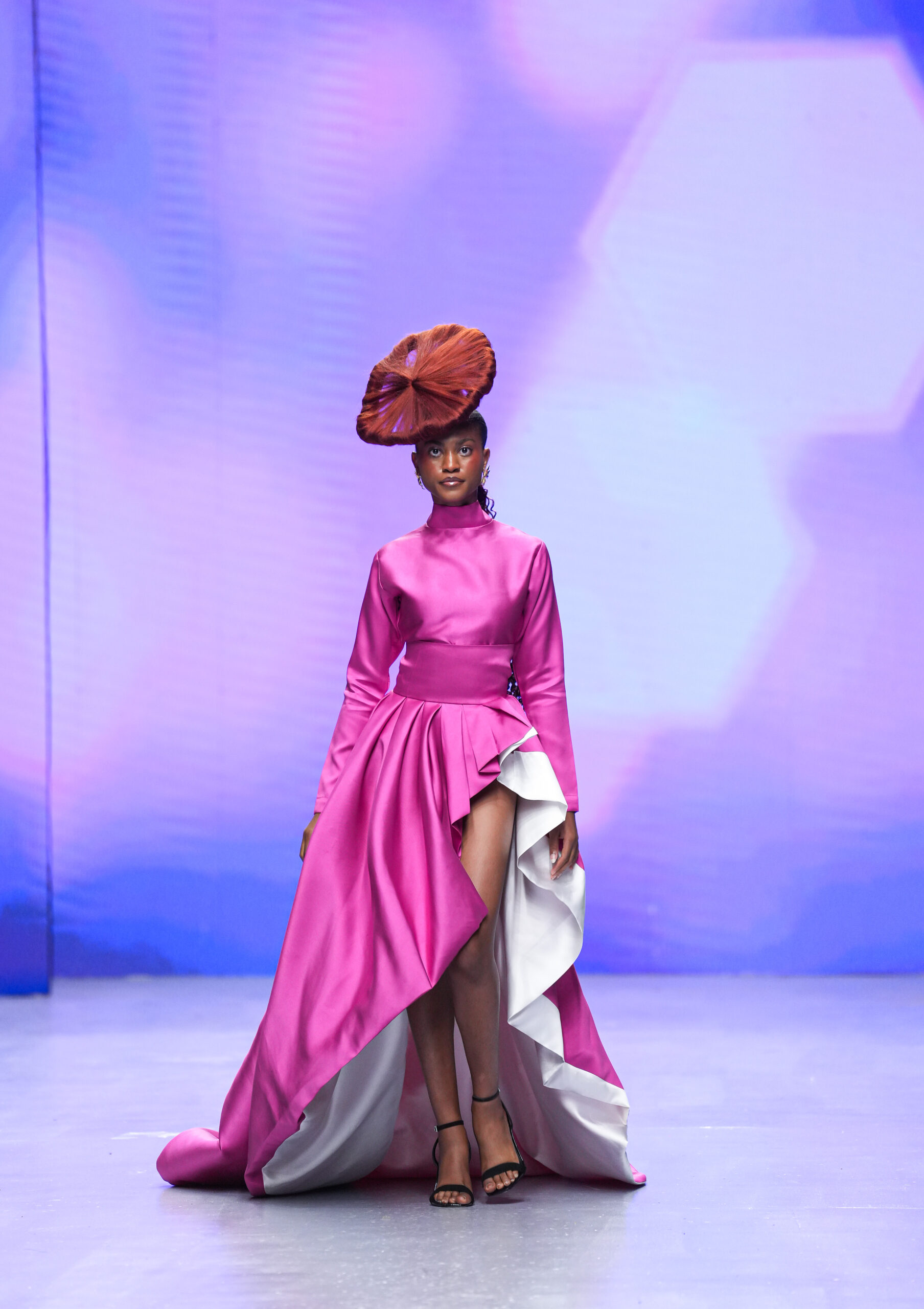
We’re in 2025, and there’s still a disturbing pattern on fashion sets: the majority of Black models walking major runways are bald. Not always by choice, but by industry default. Why? Because there are still too few people on set who know how to work with Black hair.
Rather than invest in education, training, and expertise, the industry has chosen the path of least resistance: eliminate the problem by eliminating the hair.But this isn’t just about hairstyling; it’s about erasure and artistic laziness. Hair is storytelling. It’s texture, movement, silhouette.
By refusing to engage with Black hair in all its forms, designers are cutting themselves off from an entire dimension of creative expression. Imagine how much richer, more dynamic, more alive their collections could be if they embraced the sculptural, architectural, and symbolic possibilities that Black hair offers.
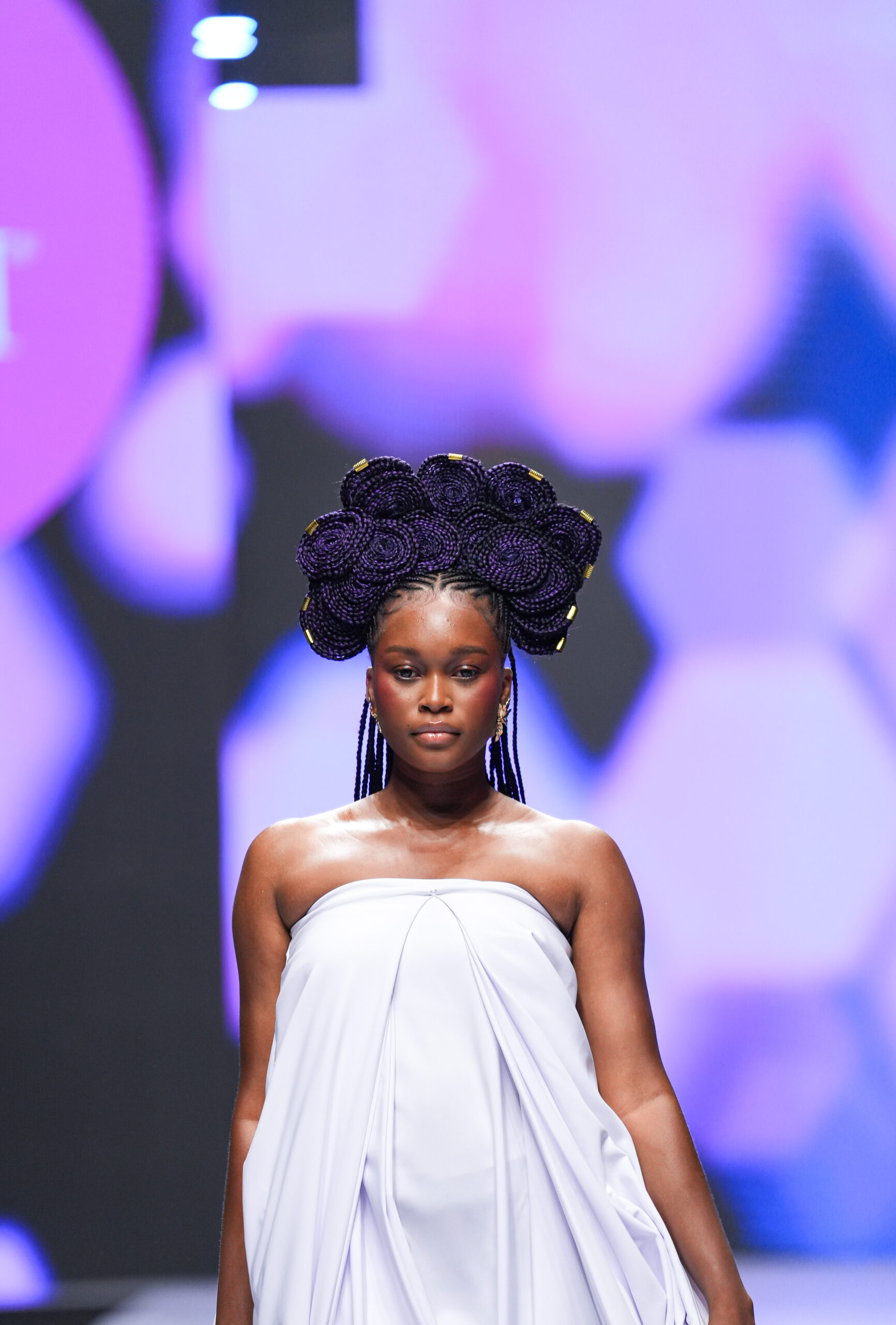 When the industry treats Black hair as an inconvenience instead of an inspiration, it doesn’t just erase identity, it flattens art. It reduces Black women to the most palatable, least complicated version of ourselves for a fashion world that never bothered to learn us, and in doing so, it limits its own imagination too.
A Breath of Fresh Air
Lagos Fashion Week was truly a breath of fresh air. It reminded me what real representation looks like when it’s not performative, not tokenistic, not checking boxes for a diversity report. It showed me what happens when Black beauty isn’t treated as an exception to be managed, but as a multifaceted reality to be celebrated.
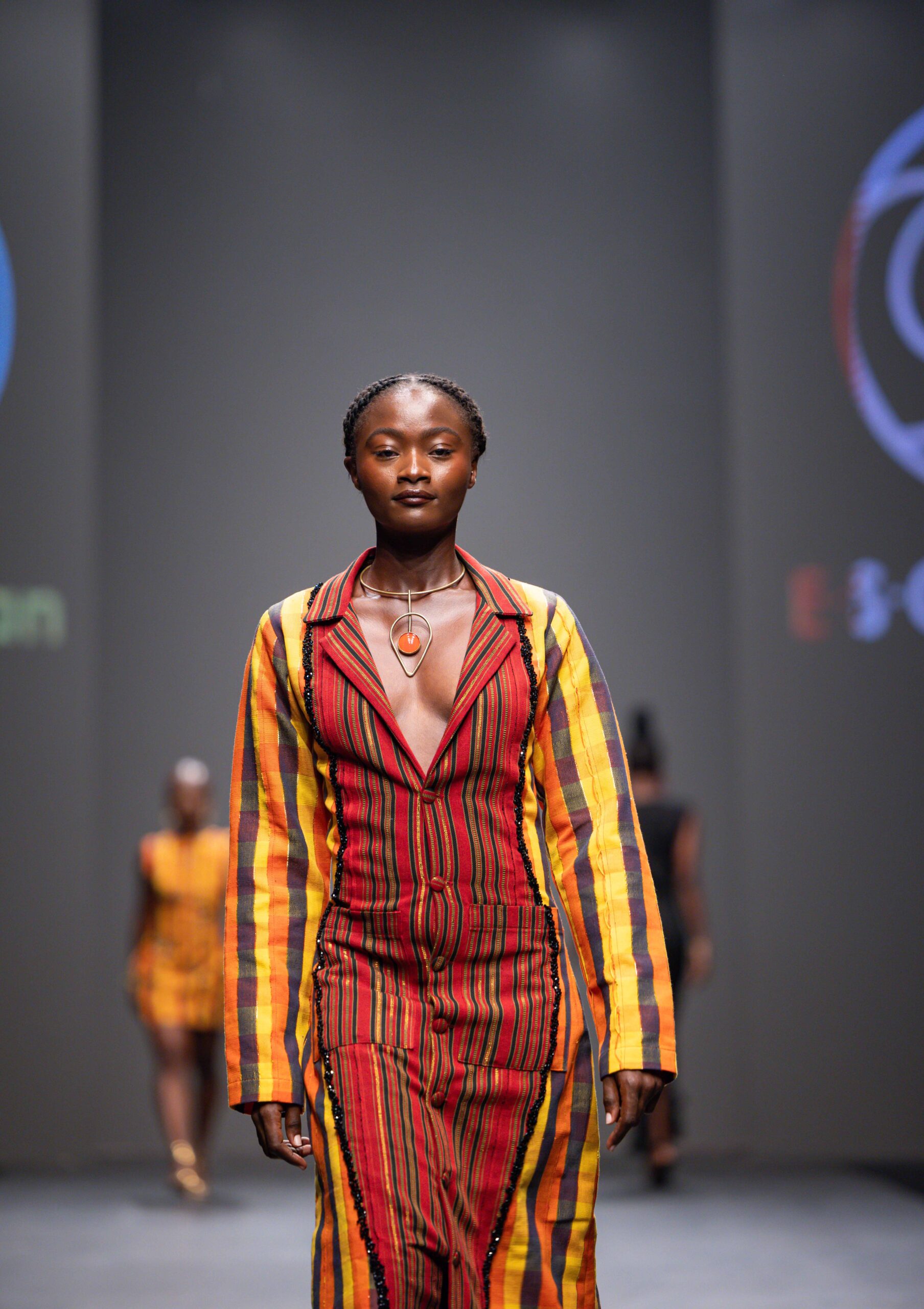 If you are Black, if you have Black daughters, I implore you to watch clips from Lagos Fashion Week and support these amazing designers. Show them the runways, the models, the range of beauty that exists beyond what mainstream fashion decides to show us. Let them see women with skin in every shade of melanin, with hair in every texture we possess.
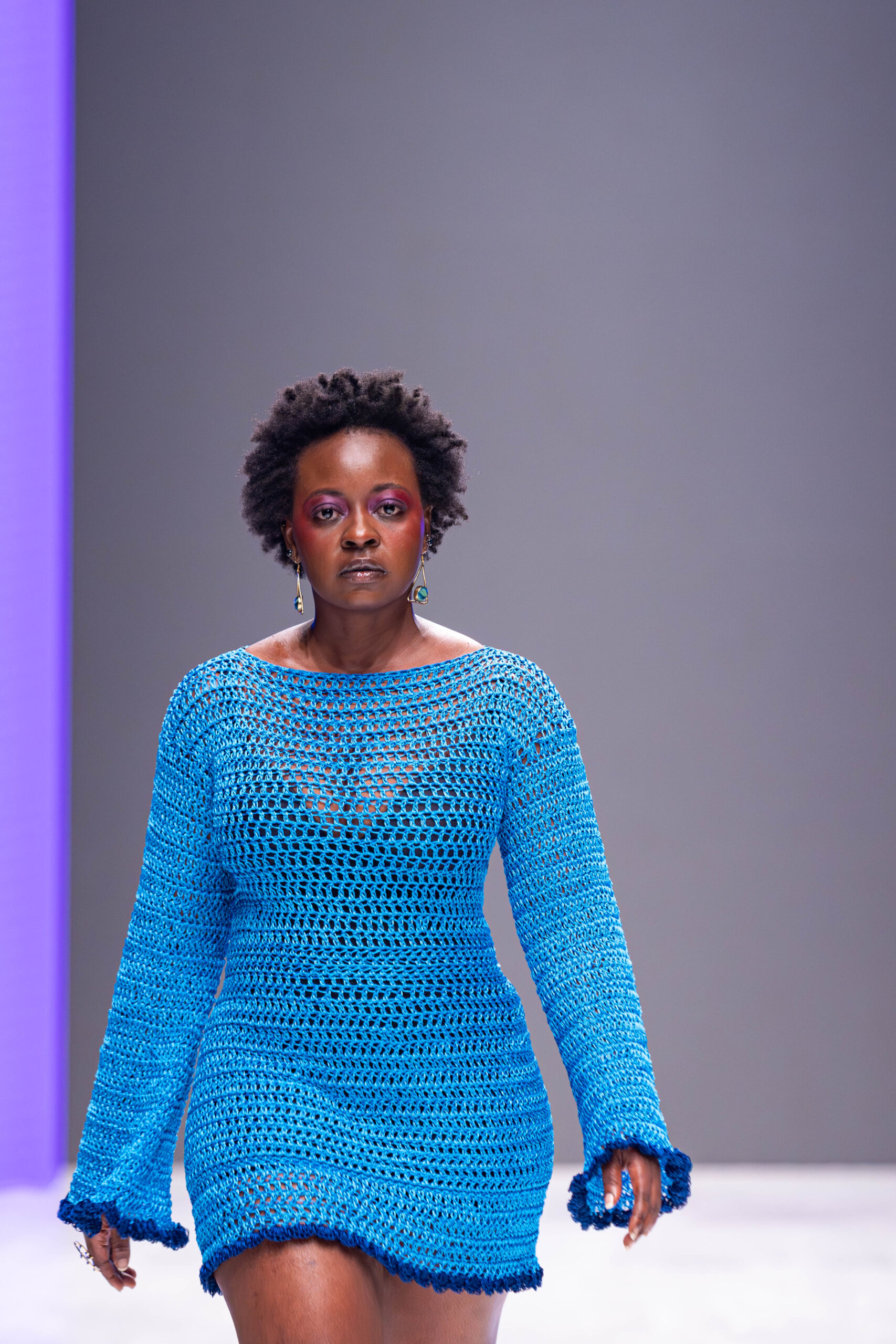 Because Black beauty is not an exception to the rule. It never was. It is multifaceted, unique, expansive, and extremely real.
Lagos Fashion Week understands this truth. It’s time the rest of the industry catches up.
Written by: Belema Derefaka