


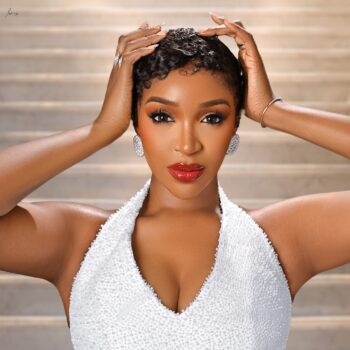

At 50, Oke Maduewesi stands as a trailblazer in Africa’s beauty industry, a woman who not only built one of the continent’s most recognizable cosmetics brands but also redefined what it means to create with purpose, pride, and persistence. As the founder and CEO of Zaron, her influence stretches far beyond lipsticks and powders as she has reshaped perceptions of what “Made in Africa” can stand for.
To celebrate this milestone, we sat down with Oke to reflect on her journey, her philosophy, and the bold future she envisions for African beauty.
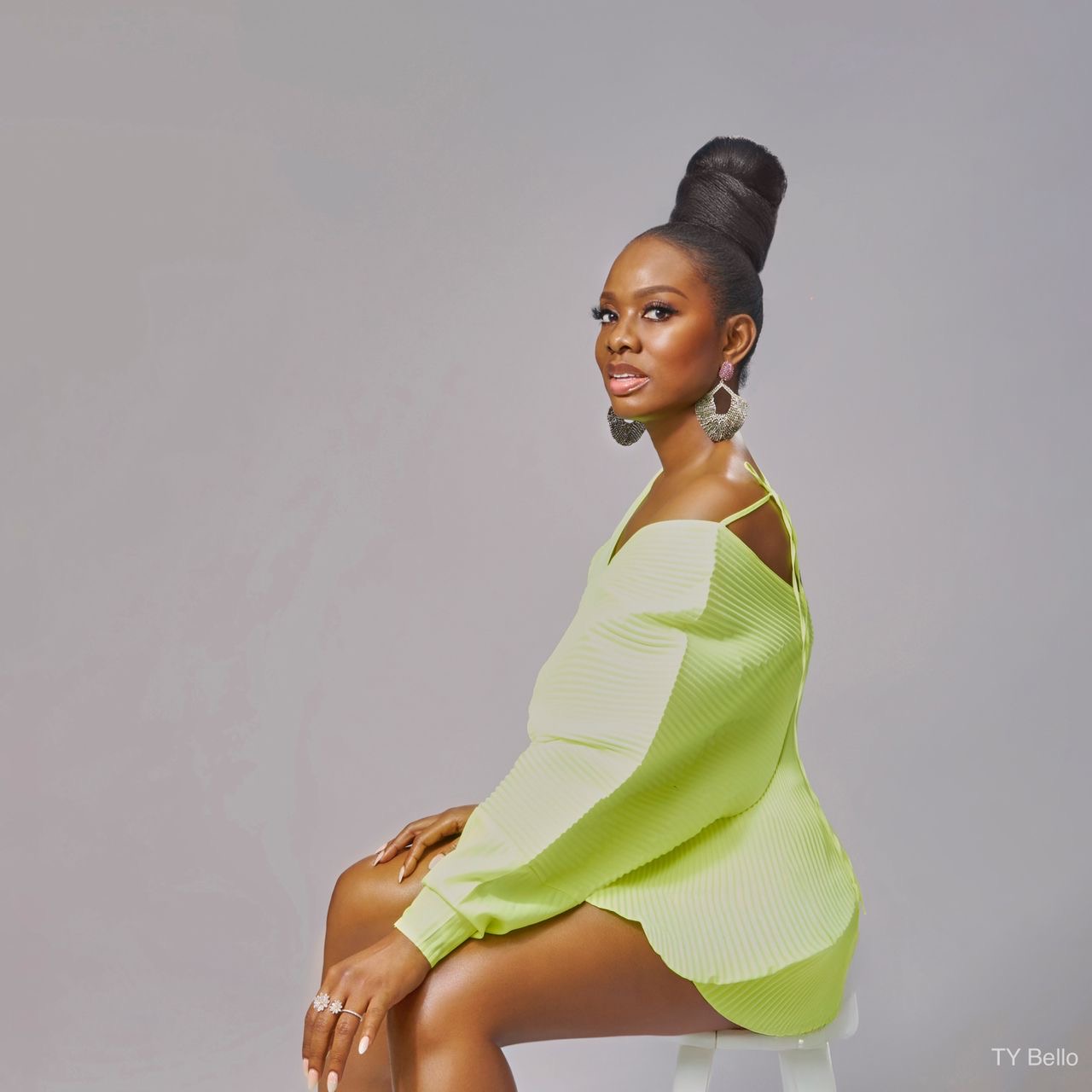 Hi, Oke, thank you for joining us. How are you? Let’s start light. At 50, would you say your style has changed at all?
My style has always been simple, classy and elegant and I think I’m still there but a lot more daring now. I’m very comfortable in my style. As I would always say, “I need to see Oke in my looks.” So I styled myself for my birthday and I was very proud of the outcome.
The look was amazing! Now, Many founders say their businesses evolve as they do. Looking back, how has Oke in 2011, when you first started Zaron, changed compared to Oke in 2025?
I would say Oke has been consistently true to Oke. She has tried to be the same person.
I was very deliberate in ensuring I remain true to my core because it’s very easy to lose yourself as you grow in business. I take time to reflect on the person I am becoming and make adjustments from time to time. I always want to remain humble, kind, present and warm which is tough when building a successful business.
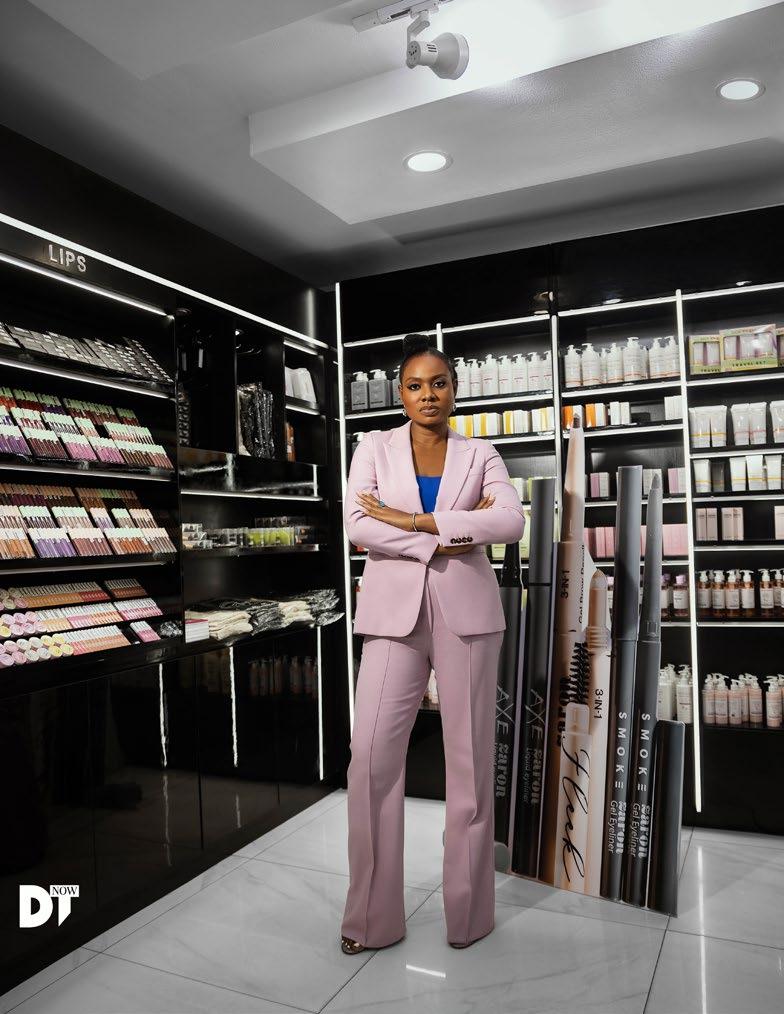 That’s profound. You built Zaron because you were restless about seeing only foreign case studies in business school. If today’s Oke had to write a case study on Zaron for the next generation, what story would you tell?
That we have all it takes to grow Africa.
Yes we do! Now, when you first launched, Zaron relied heavily on field marketing. If you had to start the brand from scratch today in a digital-first world, how would your playbook look different?
Every business strategy should be dynamic and not constant. When we launched, the business terrain was quite different from what it is today and we are constantly moving with the changes.
Globally, technology is a vital part of growing your business but it’s also critical to understand your local market which is an important criteria for business success. And for our product offering and our local market, it is still a mix of field marketing and Technology.
“Made in Africa” is finally becoming a badge of pride. How do you think Zaron has influenced that shift in cosmetics, and where do you see African beauty standing on the global stage in the next 10 years?
It gives me great joy seeing where Made in Africa brands are today compared to where it was when we just launched.
The work was 10 times harder trying to get people to buy into local brands so I would say, some of us have gone ahead to do the difficult bits.
So I am encouraging more Africans to come take up the space because we are still so small and the beauty industry is so huge and Africans cannot afford to leave that much control to foreign brands.
What’s one bold, risky idea you’ve been nursing for Zaron that you haven’t yet brought to life? With beauty-tech on the rise, virtual try-ons, AI-driven skin matching, do you see Zaron leaning into that, or do you believe the African beauty culture still needs more human touch?
Lips sealed….. watch the space!!!
And finally, your daughters’ names are fused into Zaron. If they chose to take over one day, what’s the most important piece of advice you’d give them about reinventing or preserving the brand?
You are the ones to start ensuring that Africa grows long lasting businesses and generational wealth.


Excellent breakdown, I completely agree with the challenges you described. For our projects we started using an AI-driven system called AI link building by OptiLinkAI, and it has simplified the entire process. It’s refreshing to see technology finally making link acquisition smarter, not just faster.
Excellent breakdown, I completely agree with the challenges you described. For our projects we started using an AI-driven system called AI link building by OptiLinkAI, and it has simplified the entire process. It’s refreshing to see technology finally making link acquisition smarter, not just faster.
15ph4t
you are in reality a good webmaster The website loading velocity is amazing It sort of feels that youre doing any distinctive trick Also The contents are masterwork you have done a fantastic job in this topic
Your blog is a beacon of light in the often murky waters of online content. Your thoughtful analysis and insightful commentary never fail to leave a lasting impression. Keep up the amazing work!
esny2p
Fantastic beat I would like to apprentice while you amend your web site how could i subscribe for a blog site The account helped me a acceptable deal I had been a little bit acquainted of this your broadcast offered bright clear concept
Ive read several just right stuff here Certainly price bookmarking for revisiting I wonder how a lot effort you place to create this kind of great informative website
9ommu7
x208t9
72zwb8
We are a bunch of volunteers and starting a new scheme in our community. Your website provided us with useful information to work on. You’ve done a formidable activity and our whole neighborhood shall be thankful to you.
vjrt47
смотреть здесь [url=https://tripscan45.cc/]tripscan войти в личный кабинет[/url]
m1va05
4n2xar